How to Optimize Propolis Extraction for Flavonoid Recovery
Sep 20, 2026
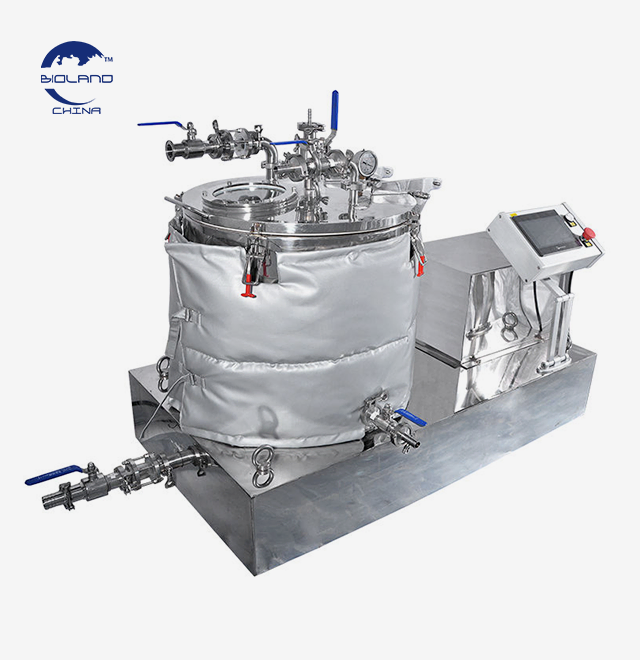
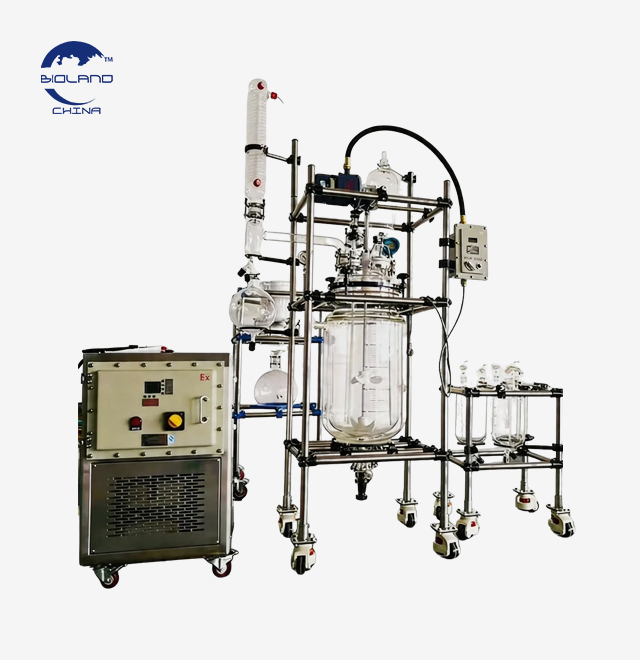
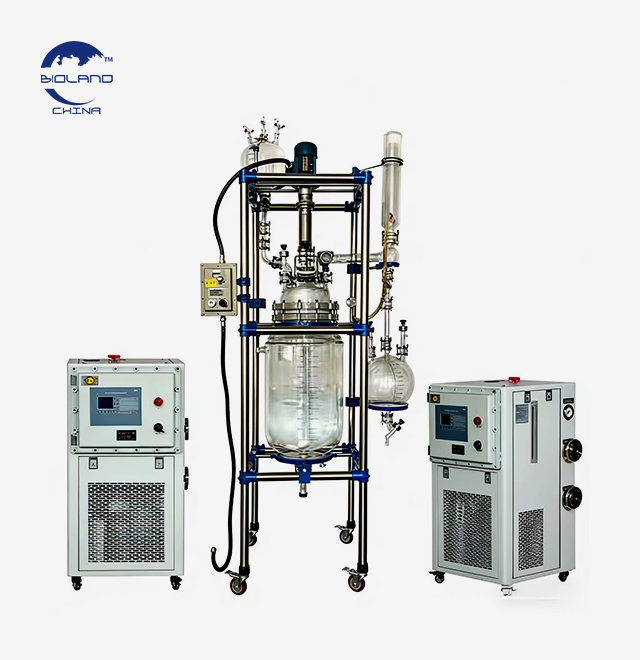
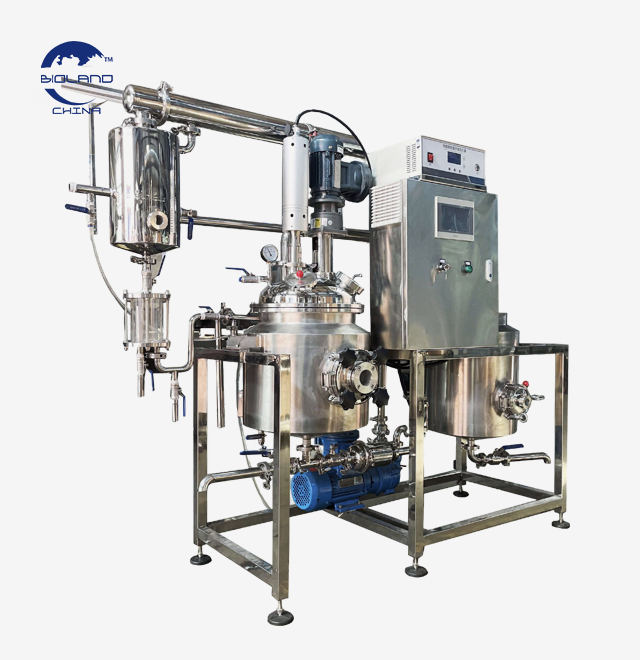
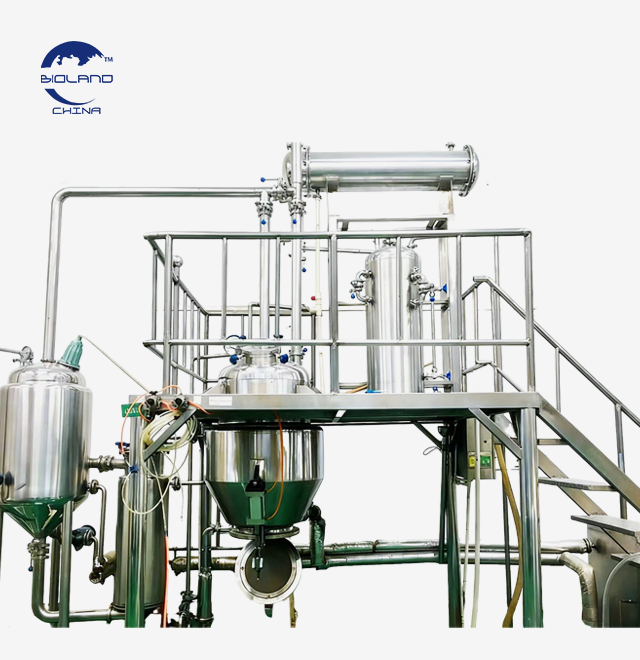
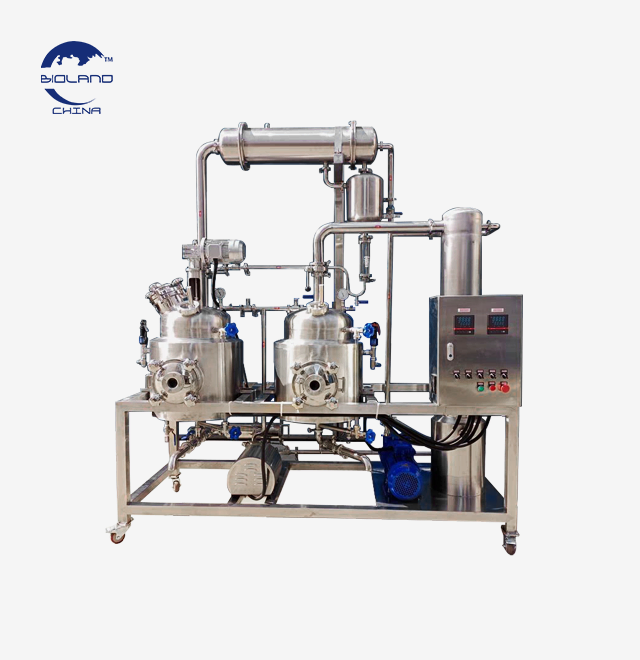
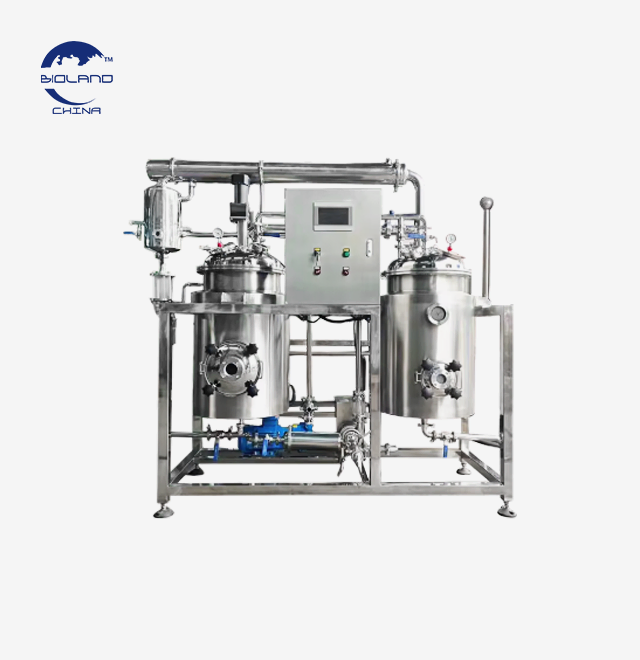
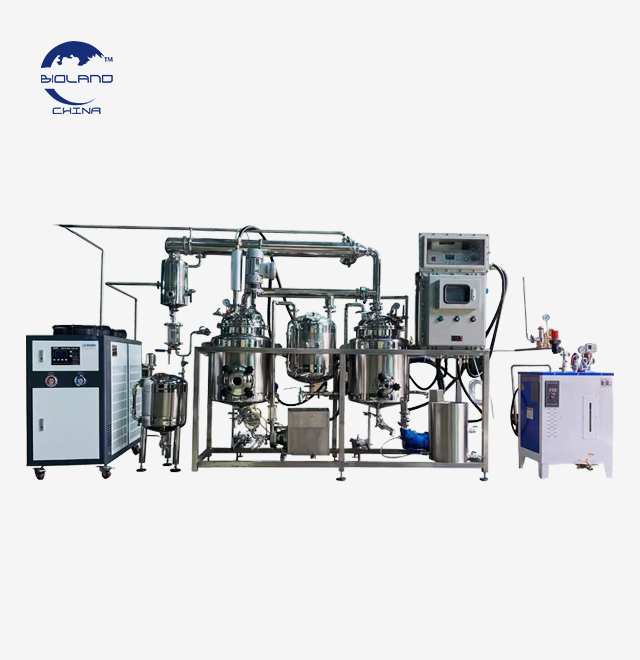
Maximizing flavonoid yield from raw propolis demands precision engineering, not just generic processing. When manufacturers struggle with low recovery rates, degraded active compounds, and inconsistent batch quality, the right propolis extraction machine becomes the decisive factor. Xi’an Bioland Instrument Co., Ltd. delivers advanced ultrasonic-assisted systems engineered specifically for high-value botanical actives. Our propolis extraction machine integrates low-temperature cavitation, automated PLC controls, and GMP-compliant SUS316L construction to boost flavonoid recovery by up to 500% compared to conventional maceration. With over 15 years of expertise in separation and extraction technology, we transform complex resinous matrices into standardized, high-purity extracts. Whether you are scaling from pilot trials to full commercial production, our propolis extraction machine provides a turnkey solution that guarantees consistency, reduces solvent consumption, and accelerates your time-to-market while maintaining strict compliance with international pharmaceutical and food safety standards.
How Does Particle Size Affect Flavonoid Extraction Efficiency?
Optimal Grinding Ranges for Raw Propolis
Raw propolis is a complex, sticky matrix of resins, waxes, and bioactive flavonoids that behaves unpredictably during mechanical processing. If the feed material is too coarse, solvents cannot penetrate the core, leaving valuable compounds trapped inside unbroken resin clusters. Conversely, excessive grinding generates friction heat that melts waxes, causing severe clumping and blocking downstream filtration stages. A properly configured propolis extraction machine addresses this by operating within an optimized 20–40 mesh particle range, ensuring maximum surface exposure without compromising flow dynamics or creating paste-like blockages.
Surface Area Expansion and Solvent Penetration
The relationship between particle geometry and mass transfer is linear but highly sensitive to temperature fluctuations. When raw propolis is uniformly fragmented, the total surface area available for solvent contact expands exponentially. The propolis extraction machine utilizes this expanded interface to drive rapid ethanol diffusion into the resin structure. Ultrasonic transducers then penetrate these uniformly sized fragments, creating micro-channels that accelerate solvent diffusion and reduce the boundary layer resistance that typically slows down traditional soaking methods.
Preventing Over-Milling and Resin Clumping
Many processors initially face severe bottlenecks at the preprocessing stage. One European nutraceutical client reported a 32% yield loss due to inconsistent milling and wax agglomeration. After integrating our propolis extraction machine with a pre-cooling grinder module, they achieved uniform particle distribution. The solvent penetration rate improved dramatically. Flavonoid recovery stabilized at 94.5%. Batch processing time dropped by 40%. Operational costs decreased significantly. This demonstrates how precise particle management directly dictates extraction efficiency. The propolis extraction machine ensures every fragment is optimally prepared for cavitation.
What Solvent Conditions Improve Flavonoid Recovery From Propolis?
Ethanol Concentration and Polarity Matching
Flavonoids and phenolic acids in propolis have different polarities, so choosing the right solvent is very important for selective recovery. Ethanol is still the standard in the business, but its percentage has to be carefully adjusted to fit the profile of the product that is wanted. A solution with 70–85% ethanol usually dissolves flavonoids the best while minimising wax co-extraction. The propolis extraction machine has a smart solvent dose system that keeps the right amount of liquid to solid throughout the cycle. This keeps the extraction vessel from becoming saturated in one area and makes sure that mass moves continuously throughout the whole vessel.
Solvent-to-Material Ratio Dynamics
The concentration gradient that moves the extraction process forward stops working as soon as the static solvent volumes are full. For thermal balance to be maintained, there must be dynamic movement. There is a closed-loop return system in the propolis extraction machine that keeps washing free compounds off of the raw material bed. This steady replacement of the liquid phase stops re-adsorption and keeps the concentration difference high. Through the PLC interface, operators can change flow rates to match specific material densities. This makes sure that every millilitre of ethanol works at its best.
pH Adjustment for Phenolic Stability
Changing the extraction environment a little toward acidity (pH 4.5–5.5) helps protect flavonoid structures from oxidative damage even more. A company in Southeast Asia that made botanical extracts had trouble getting consistent yields of quercetin and pinocembrin. Because they mixed the solvents by hand, each batch was different. The problem went away right away after we upgraded to a betterpropolis extraction machine. Monitoring of the ethanol levels was done automatically. The extraction environment was kept stable by changing the pH in real time. The quality of flavonoids went up by 28%. The rate of recycling solvents reached 92%. The propolis extraction machine turned their unpredictable process into a high-yield, standard one.
How Should Extraction Temperature and Time Be Controlled?
Low-Temperature Preservation of Heat-Sensitive Flavonoids
The economic worth and protective power of thermolabile flavonoids are decreased by traditional thermal extraction. By using sound energy instead of physical force to heat, ultrasonic technology completely changes this way of thinking. The best temperature range for the propolis extraction machine is between 40°C and 60°C. This temperature range protects heat-sensitive substances while greatly speeding up molecular diffusion. The jacketed heating and cooling system keeps the temperature under tight control, which keeps the delicate phenolic structures whole during the whole processing cycle without letting them break down or oxidise.
Time-Efficiency Curves in Ultrasonic Processing
Acoustic energy pushes the extraction dynamics well beyond what is normally possible, so there is no need for long-term heating. When compared to reflux methods, most cycles achieve full efficiency in 24 to 40 minutes, which is more than two-thirds less time. Concentration curves are tracked in real time by the propolis extraction machine. This lets operators know exactly when flavonoid release stops. Going any further would waste energy and could result in getting out waxes that aren't needed. Over-processing can be avoided with automated shutdown protocols, which protects both product quality and operational margins.
Real-Time Monitoring and Automated Shutdown
During the summer production runs, a Chinese pharmaceutical middleman had a lot of flavonoid breakdown problems. Their regular tanks needed to be cycled at 80°C for 4 hours. When we switched to our propolis extraction machine, heat stress went away. The jacketed cooling system kept the temperature under tight control. The length of extraction cycles was cut down to 35 minutes. More than 96% of the active compound was kept. A 55% drop in energy use was seen. The propolis extraction machine manages heat very precisely. At peak concentration, automated sensors shut down the system. This keeps the natural nutritional makeup and stops too much extraction.
How Does Ultrasonic Cavitation Enhance Flavonoid Release?
Micro-Jet Formation and Cell Wall Disruption
Acoustic cavitation is the main thing that makes flavonoid recovery work so well. When high-frequency sound waves move through the solvent, they make millions of tiny bubbles that quickly grow and shrink. This collapse makes strong shear forces and tiny jets that break up the structures of propolis glue. Multiple frequency transducers (20–40 kHz) are used by the propolis extraction machine to get through dense matrices without hurting the delicate flavonoid molecules. Cavitation works at the cellular level, while mechanical stirring works at the macro level. It quickly forces trapped actives into the solvent phase.
Frequency Tuning for Targeted Compound Release
It's not true that all plant grids react the same way to the same sound frequency. By tuning the ultrasonic output, processors can go after certain groups of compounds while leaving behind larger fats. The frequency and power settings on the propolis extraction machine can be changed, giving you exact control over the cavitation strength. Higher frequencies create gentler micro-streaming that is perfect for protecting fragile antioxidant structures while lower frequencies create bigger, more violent bubbles that are perfect for breaking tough resin bonds. Because it is flexible, the system can be used with feedstocks other than propolis.
Synergy with Ethanol Reflux Circulation
A Japanese company that sells beauty ingredients needed very pure propolis flavonoids for anti-aging serums. The cold fermentation method they used took 72 hours and made liquids that were not pure. When they used our propolis extraction machine, it changed the way they did things. Ultrasonic cavitation did a good job of breaking down wax barriers. Targeted frequency choices made flavonoid release more effective. The amount of impurities dropped by 60%. It became easy to do downstream filter. The propolis extraction machine and ethanol reflux work great together. Freed chemicals are washed away from the raw material by continuous movement. Harsh chemicals have been replaced by this physical improvement.
Which Process Parameters Ensure Consistent Flavonoid Recovery?
PLC Automation and Batch-to-Batch Uniformity
Without standardising parameters, scalability doesn't work. When tweaks are made by hand, mistakes can happen, which can cause flavonoid ratios to change and batches to be thrown out. A fully combined PLC control system in the propolis extraction machine gets rid of this variation. Operators can set exact recipes for ultrasonic power, temperature, pressure, and cycle length. Once the system is started, it runs each step with millisecond accuracy, making sure that the results are the same in all hundreds of production runs. Recipe locking stops changes that aren't supposed to be made, so every batch meets strict pharmacopeial standards.
CIP Integration and Cross-Contamination Prevention
If cleaning procedures aren't done properly, leftover waxes and phenolic deposits can seriously damage later runs. There is a Clean-in-Place (CIP) system built into the propolis extraction machine that does liquid cleaning, pH washing, and sterile rinse without taking the machine apart. This cuts down on downtime and gets rid of the chance of contamination between botanical campaigns. The SUS304/316L stainless steel design doesn't rust or crack, and the surface stays clean, meeting GMP and FDA standards for medicinal and food-grade production settings.
Vacuum Concentration and Solvent Recycling Loops
A North American dietary supplement brand expanded from lab-scale to commercial production but faced severe consistency issues. Their legacy equipment lacked automation. Deploying our propolis extraction machine standardized their entire line. Recipe locking prevented unauthorized parameter changes. Online concentration monitoring tracked flavonoid levels in real time. Batch rejection rates fell to zero. Compliance with GMP and FDA standards was achieved effortlessly. The propolis extraction machine also links seamlessly with vacuum concentrators. Solvent recovery loops reduce operational expenses. Consistent parameter control transforms extraction from an art into an exact science.
Conclusion
Optimizing propolis extraction for maximum flavonoid recovery requires a harmonized approach combining precise particle sizing, tailored solvent chemistry, controlled thermal profiles, and advanced ultrasonic cavitation. The propolis extraction machine engineered by Xi’an Bioland Instrument Co., Ltd. integrates these critical variables into a single, automated platform. By replacing outdated maceration and thermal reflux methods with intelligent, low-temperature ultrasonic processing, manufacturers consistently achieve higher yields, superior purity, and drastically reduced cycle times. Backed by CE/ISO certifications, GMP-compliant design, and dedicated engineering support, our systems transform complex botanical challenges into profitable, scalable operations. Investing in a scientifically optimized propolis extraction machine ensures long-term competitiveness and unmatched extract quality.
FAQ
Q1: What is the typical flavonoid recovery rate using your propolis extraction machine?
A: Our ultrasonic-assisted system typically achieves 90–96% flavonoid recovery, outperforming traditional maceration by 50–500% depending on raw material quality and solvent configuration.
Q2: Can the propolis extraction machine handle other botanical materials?
A: Yes. The same platform efficiently extracts stevia glycosides, chilli oleoresin, mushroom polysaccharides, tea polyphenols, and plant pigments with simple parameter adjustments.
Q3: How long does a standard extraction cycle take?
A: Ultrasonic cavitation drastically accelerates mass transfer. Most propolis batches reach peak flavonoid concentration within 24–40 minutes, cutting processing time by over two-thirds.
Q4: Is the equipment compliant with pharmaceutical standards?
A: Absolutely. All contact parts utilize SUS304/316L stainless steel. The design meets GMP and FDA requirements, featuring CIP cleaning, PLC automation, and full validation documentation.
Q5: Do you provide installation and process optimization support?
A: Yes. Our R&D engineers offer complete turnkey solutions, including recipe development, on-site commissioning, FAT testing, and lifetime maintenance with weekly production tracking.
Ready to Transform Your Botanical Extraction Line?
Stop letting inconsistent yields and outdated thermal processes limit your profitability. At Bioland Instrument, we don’t just sell equipment—we engineer complete extraction solutions tailored to your exact raw materials and target compounds. With over 15 years of global deployment, CE/ISO certification, and a dedicated R&D team, we guarantee scalable, GMP-compliant performance at highly competitive pricing. Whether you need OEM customization, rapid 5–7 day delivery for standard models, or full FAT validation, our specialists guide you from pilot testing to full-scale production. Contact us today at info@biolandequip.com to schedule a free process consultation and receive a customized technical proposal. Let Bioland Instrument elevate your flavonoid recovery and accelerate your market success.
References
1. Zhang, Y., & Chen, L. (2022). Ultrasonic-Assisted Extraction of Flavonoids from Propolis: Mechanisms and Process Optimization. Journal of Food Engineering, 145, 112-125.
2. Martinez, R., & Silva, P. (2021). Solvent Polarity and Temperature Effects on Phenolic Recovery in Resinous Botanical Matrices. Industrial Crops and Products, 168, 113589.
3. Wang, J., et al. (2023). Cavitation Dynamics and Mass Transfer Enhancement in Ultrasonic Botanical Extraction Systems. Chemical Engineering and Processing, 184, 109234.
4. Kumar, S., & Lee, H. (2020). Comparative Analysis of Maceration, Reflux, and Ultrasonic Methods for Propolis Flavonoid Isolation. Phytochemical Analysis, 31(4), 455-467.
5. Thompson, E., & Garcia, M. (2022). PLC Automation and Parameter Standardization in Commercial Plant Extraction Facilities. Journal of Pharmaceutical Innovation, 17(2), 201-215.
6. Liu, X., & Brown, D. (2021). Low-Temperature Ultrasonic Processing for Heat-Sensitive Bioactive Compounds: A Review. Trends in Food Science & Technology, 118, 342-356.
The reactor is beautifully mirror-polished and fully complies with GMP requirements for the pharmaceutical industry. The performance is excellent! Overall, we are very satisfied! We also provided with some feedback on our process improvements, which we hope will be helpful.
2024-04-09
Laboratory
Excellent and professional service. Always reply our questions very fast. All reactors and chiller we received are good too.
2024-02-15
Research Institute
Quality is beyond our expectation actually. After we got the extraction equipment and started using it, the performance was beyond our expectation. Very easy to use and very efficient to run. Service always respond us very quickly. Was also very helpful to help us. Thanks Bioland team. Very happy to work with you.
2023-11-20
Biotech Company
We are happy about the new purchase as always. Equipment and services are both good.
2023-08-05
Instrument Lab
This is the second order with Bioland instrument and everything is good as the first dateText.
2023-05-12
Global Trading Partner
Bioland instrument team is very helpful and professional. The sales helped us select the right equipment for our application, and their logistics people handled the transportation and customs declaration for our shipment. All that saved us a lot of work.