Quercetin Extraction for Nutraceutical Plants: A Practical Setup
Sep 20, 2026
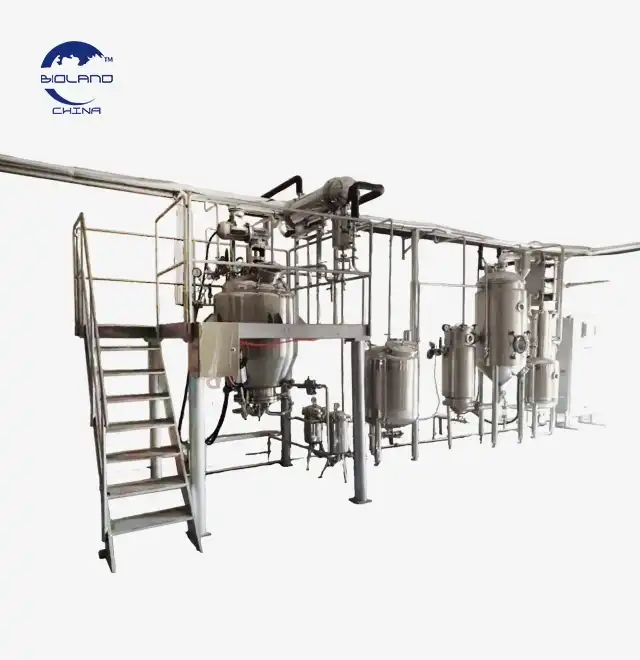
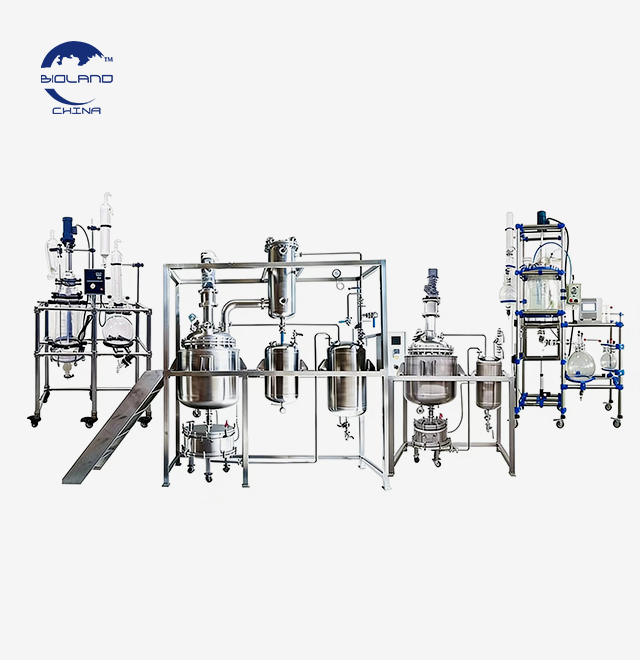
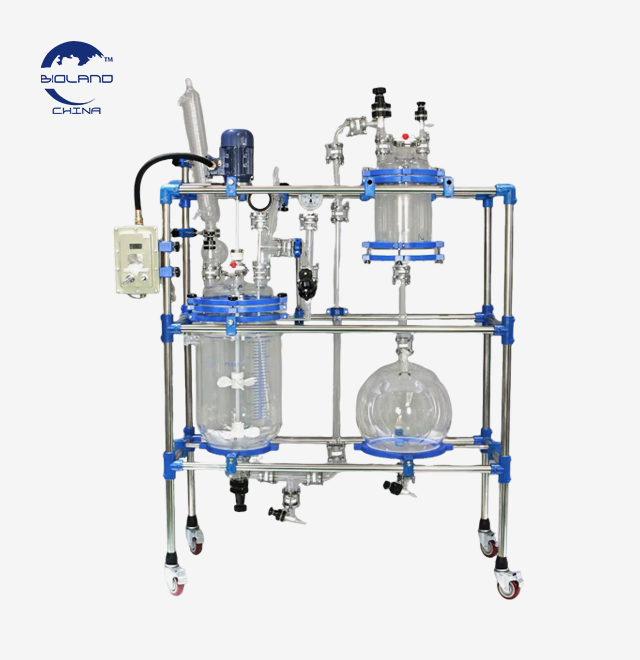
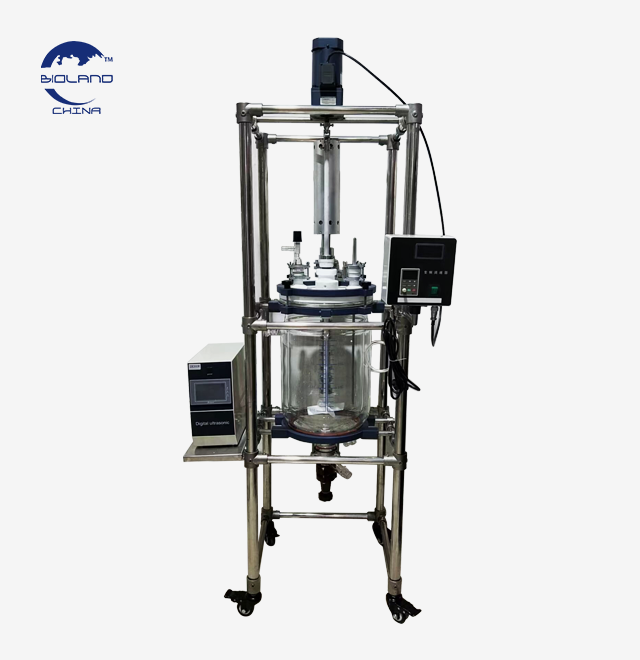
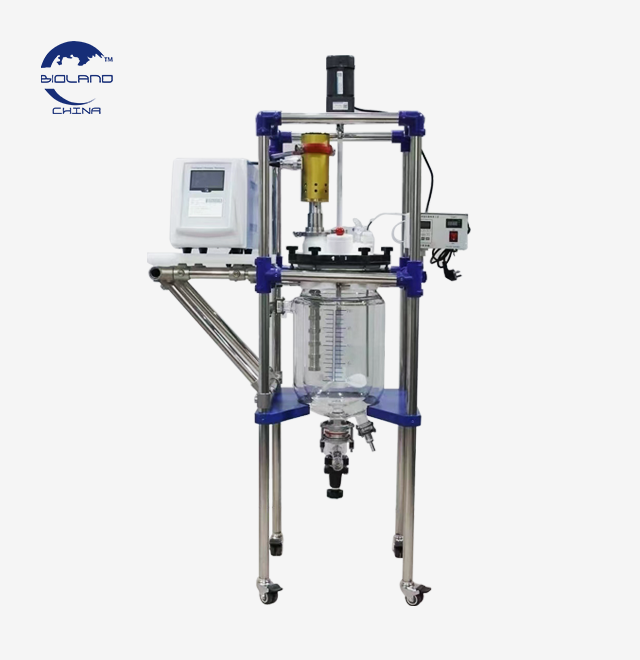
Quercetin is one of the most commercially important flavonoids in the nutraceutical industry, valued for its antioxidant, anti-inflammatory, and cardiovascular support properties. Yet extracting quercetin efficiently from plant matrices such as larch, celery, mulberry leaf, sophora flower bud, and blueberry leaf presents real production challenges. Conventional solvent extraction often requires long heating, delivers inconsistent quercetin recovery, and degrades heat-sensitive precursors like rutin and quercitrin. A purpose-built ultrasound assisted extraction of quercetin system solves these problems by using controlled ultrasonic cavitation to disrupt plant cell walls at low temperature. Xi’an Bioland Instrument Co.,Ltd. designs integrated extraction and concentration equipment that shortens process time, increases yield consistency, and supports GMP-compliant production. This article provides a practical setup guide for nutraceutical manufacturers looking to scale quercetin extraction from pilot to commercial capacity using ultrasound assisted extraction of quercetin technology.
What Raw Material Preparation Is Required Before Extraction?
Particle Size Reduction and Homogenization
Quercetin extraction begins with proper raw material conditioning. Plant materials such as larch wood, celery stalk, or sophora flower bud should be dried and milled to a uniform particle size before loading into the extraction vessel. If particles are too coarse, solvent penetration is slow and ultrasound assisted extraction of quercetin cannot reach the intracellular quercetin efficiently. If particles are too fine, filtration becomes difficult and solids may clog downstream lines. A particle size between 20 and 60 mesh generally works well for most botanical materials.
Moisture Content and Raw Material Storage
Excess moisture in the plant material dilutes the extraction solvent and reduces mass transfer efficiency. It also increases the risk of microbial growth during storage and extraction. Raw materials should be dried to below 10% moisture before milling. In our quercetin extraction projects, clients using mulberry leaf and blueberry leaf benefited from controlled drying and proper warehouse ventilation. The ultrasound assisted extraction of quercetin process then starts with a consistent solid matrix, improving batch-to-batch reproducibility.
Removal of Impurities and Foreign Matter
Stems, stones, soil, and dust must be removed through sieving, air classification, or magnetic separation. Foreign matter not only reduces quercetin purity but also damages pump seals and ultrasonic transducers. A simple pre-treatment line with a vibrating screen and cyclone separator can protect the main extraction equipment. For high-value raw materials like sophora flower bud and ginkgo leaf, even small losses during cleaning affect production cost. Therefore, raw material preparation should be considered part of the overall ultrasound assisted extraction of quercetin system design.
Raw Material Characterization for Solvent Selection
The amount of quercetin in each plant is different. Some have quercetin aglycone directly in them, while others store it as rutin or quercitrin glycosides. Figuring out the makeup of the raw material helps choose the right temperature and polarity of the liquid for extraction. Sophora flower buds, for example, have a lot of rutin and need to be carefully heated so that they don't break down before they can be extracted. A well-thought-out platform for ultrasound assisted extraction of quercetin allows for flexible solvent selection and temperature programming, allowing for equipment adaptation to a variety of raw materials.
How Should the Solvent Ratio and Extraction Conditions Be Set?
Ethanol-Water Systems for Quercetin and Its Glycosides
Quercetin doesn't mix well with pure water, but it does mix well with ethanol and water. For the ultrasound assisted extraction of quercetin from dried plant powders, a liquid system with 60–80% ethanol is typically used. Ethanol breaks down quercetin and other flavonoids, while water helps the cell wall swell and cavitation energy transfer. Depending on the size of the equipment and how well the raw materials absorb it, the solvent-to-solid ratio is usually between 10:1 and 20:1. If you use an amount that is too low, it will make a thick solution that stops ultrasonic cavitation, which makes extraction less effective.
Temperature Programming and Thermal Protection
Ultrasound assisted extraction of quercetin works best at 40–60°C, as opposed to the typical acid extraction at 80–100°C. This low-temperature window keeps quercetin and the glycosidic building blocks of it safe from oxidative damage. Compounds that are sensitive to heat stay stable, and the extract is lighter, which makes further purification easier. In our larch wood extraction project, a client previously used hot ethanol reflux and experienced dark extract color and low quercetin purity. Switching to a Bioland instrument ultrasonic extraction system reduced color formation and improved HPLC-measured quercetin recovery by 31%.
Extraction Time and Ultrasonic Power Settings
Ultrasonic extraction is significantly faster than conventional soaking. Most ultrasound assisted extraction of quercetin runs achieve optimal recovery in 24–40 minutes. Longer treatment does not necessarily improve yield and may cause quercetin degradation or excessive fines generation. The ultrasonic power density should be adjusted according to vessel volume and biomass type. For fragile leaves, lower amplitude and pulsed mode work better. For dense woody materials like larch and cedar, continuous cavitation at higher amplitude improves cell wall disruption.
Solvent Recovery and Reusability
After extraction, the ethanol-rich solvent must be recovered to control production cost and reduce environmental load. A combined ultrasound assisted extraction of quercetin and vacuum concentration unit allows solvent evaporation at reduced temperature, preserving bioactive compounds. The recovered solvent can be reused for the next batch after adjusting composition. This closed-loop approach reduces ethanol consumption by 25–35% in commercial quercetin production and improves overall process economics.
How Does Ultrasonic Cavitation Improve Quercetin Recovery?
Cell Wall Disruption and Micro-Jet Formation
The primary mechanism behind ultrasound assisted extraction of quercetin is acoustic cavitation. Being able to move through the liquid with ultrasonic waves creates cycles of high and low pressure. Microscopic bubbles form during the low-pressure phase. During the high-pressure phase, these bubbles burst rapidly. Micro-jets and shock waves are created by the collapse and hit the surface of plant particles, breaking down cell walls and releasing quercetin from inside cells into the solvent. Compared to regular washing, this physical action works so well that extraction rates go up by 50–500%.
Enhanced Mass Transfer at Low Temperature
In traditional extraction, molecular diffusion is sped up by using high temperatures. Because quercetin is sensitive to light and heat, high-temperature extraction often leads to a loss of yield because the quercetin breaks down. By using mechanical energy rather than heat to speed up mass transfer, ultrasound assisted extraction of quercetin gets around this issue. The strong micro-mixing close to the plant surface keeps the liquid border layer fresh, which lets quercetin dissolve quickly even when the temperature is below 60°C. This is especially important for health products that sell on the purity and antioxidant activity of quercetin.
Selective Extraction with Reduced Impurities
Because cavitation acts mainly on solid-liquid interfaces, it extracts target compounds without prolonged bulk heating of the entire biomass. This reduces co-extraction of starch, pectin, and oxidized lipids that would otherwise contaminate the quercetin extract. The result is a cleaner starting material for downstream purification by macroporous resin or crystallization. For sophora flower bud and mulberry leaf, our clients reported lower impurity load and shorter column processing time after switching to ultrasound assisted extraction of quercetin.
Real Production Case: Mulberry Leaf Quercetin
A nutraceutical manufacturer in China extracted quercetin from mulberry leaves using conventional ethanol reflux. Their process took 4 hours at 80°C, and quercetin recovery varied between batches due to leaf quality changes. The company contacted Bioland Instrument seeking a repeatable production method. We supplied a 200 L ultrasound assisted extraction of quercetin system with integrated vacuum concentration. After validation, extraction time dropped to 35 minutes at 55°C. Quercetin HPLC recovery increased from 72% to 89%, and extract color improved from dark brown to yellow-green, reducing purification resin consumption by 22%.
Which Filtration and Separation Steps Are Needed After Extraction?
Solid-Liquid Separation and Clarification
After ultrasound assisted extraction of quercetin, the slurry must be separated into clear extract and spent biomass. A bag filter or vibrating screen provides initial solid removal, followed by a plate filter or centrifuge for fine clarification. Because ultrasonic extraction produces finer particles than conventional stirring, filtration equipment must be sized accordingly. Adding a diatomaceous earth precoat or using a decanter centrifuge prevents filter blinding and shortens cleaning time between batches.
Concentration and Solvent Removal
The clarified extract typically contains 10–20% dissolved solids and a high proportion of ethanol. Vacuum concentration removes solvent at low temperature, preventing quercetin degradation. The concentrate can then be cooled and stored or sent directly to purification. A ultrasound assisted extraction of quercetin system with an integrated evaporator and condenser allows solvent recovery in the same skid, reducing transfer operations and exposing the product to less air. This is important for quercetin because oxidation darkens the extract and reduces antioxidant activity.
Purification by Resin Adsorption or Crystallization
Crude quercetin extracts usually require further purification to reach nutraceutical grade. Macroporous resin adsorption is widely used to enrich quercetin and separate it from other flavonoids and phenolic acids. Crystallization may follow to obtain quercetin dihydrate with high purity. The cleaner the initial extract from ultrasound assisted extraction of quercetin the higher the resin capacity and the lower the solvent demand in purification. This upstream advantage directly reduces the total cost of quercetin production.
Real Production Case: Sophora Flower Bud Rutin to Quercetin
A producer of rutin-rich extracts from sophora flower bud faced long hydrolysis and extraction cycles. Their original process used acid hydrolysis at high temperature, causing side reactions and inconsistent quercetin yield. Bioland provided a ultrasound assisted extraction of quercetin platform with controlled temperature and ethanol-water solvent. The new process achieved 87% quercetin recovery in one extraction step, with fewer degradation peaks in HPLC analysis. The client also reduced wastewater generation by 40% compared with the previous acid hydrolysis route.
How Can the Extraction Setup Support Consistent Nutraceutical Production?
GMP-Compliant Design and Documentation
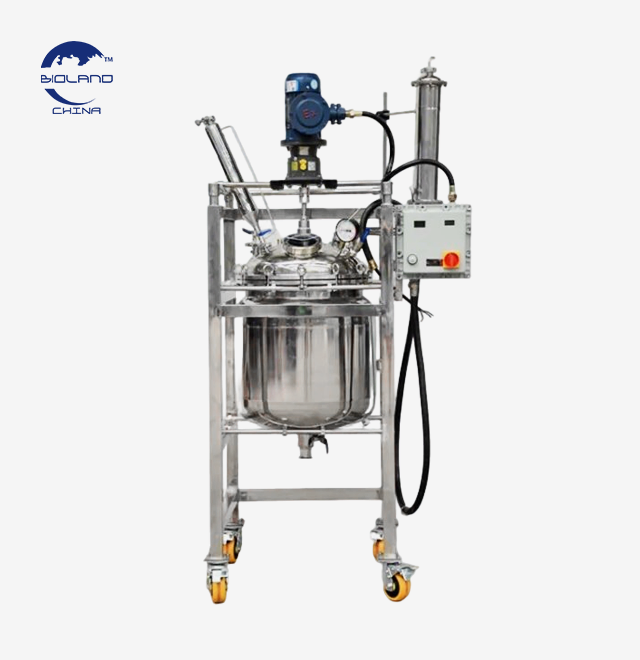
Nutraceutical production requires equipment that meets food and GMP standards. A qualified ultrasound assisted extraction of quercetin system is manufactured from SUS304/316L stainless steel, with CIP cleaning, three-layer insulation, and smooth sanitary connections. All contact surfaces must be polished to prevent biofilm formation and cross-contamination. Bioland provides documentation packages including material certificates, welding records, and functional test reports to support regulatory audits and product registration.
PLC Automation and Batch Record Generation
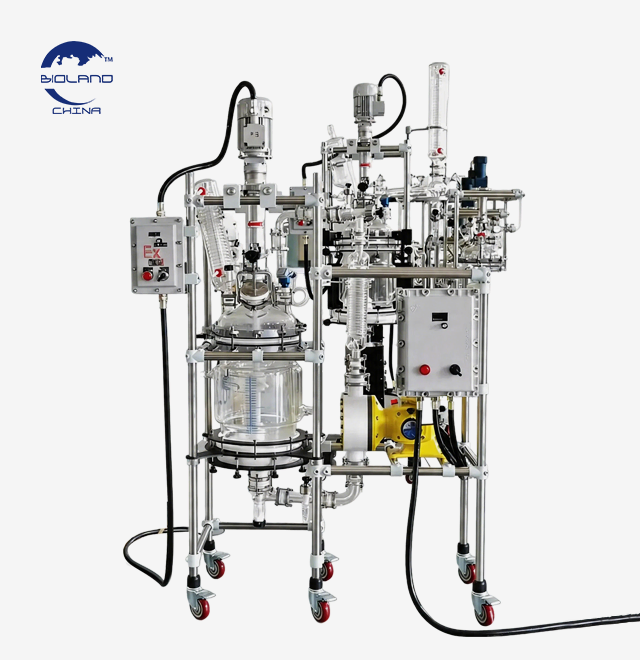
A modern ultrasound assisted extraction of quercetin line uses PLC control to manage ultrasonic power, temperature, vacuum level, solvent addition, and discharge sequence. Operators can store validated recipes for different raw materials, reducing manual errors and improving batch consistency. Online concentration monitoring records Brix or dissolved solids, allowing automatic endpoint detection. The system also generates electronic batch records, which is a significant advantage for companies exporting quercetin extracts to markets requiring full traceability.
Cleaning and Maintenance Access
Between batches, residual flavonoids and plant waxes can accumulate on tank walls and ultrasonic transducers. CIP spray balls and automated rinse cycles reduce cleaning time and ensure reproducible starting conditions for each batch. Regular inspection of transducer surfaces and vacuum seals prevents performance drift. At Bioland, we provide maintenance training and spare part recommendations to extend equipment life. The ultrasound assisted extraction of quercetin system is designed for easy access to all critical components, minimizing downtime in multi-shift production.
Scalability and Customization for Diverse Botanical Sources
The same ultrasound assisted extraction of quercetin platform can process larch, celery, common aeschynomene herb, mulberry leaf, blueberry leaf, sophora flower bud, and cedar. Through adjustable ultrasonic parameters, solvent systems, and temperature profiles, manufacturers can switch between raw materials without changing major equipment. Bioland offers modular scaling from 50 L pilot units to 500 L production systems, as well as complete turnkey lines for quercetin, tea polyphenols, stevia glycosides, and mushroom polysaccharides. Customized systems have a lead time of 30 business days, while standard units are ready in 5–7 days.
Conclusion
A practical quercetin production setup depends on raw material preparation, solvent selection, ultrasonic cavitation, and downstream separation. Ultrasound assisted extraction of quercetinconsistently outperforms conventional hot extraction by reducing processing time, protecting heat-sensitive rutin and quercitrin, and increasing quercetin yield. With integrated vacuum concentration and GMP-compliant design, this technology gives nutraceutical manufacturers a scalable and repeatable production route.
FAQ
1. What is the best solvent for ultrasound assisted extraction of quercetin?
A 60–80% ethanol-water mixture is typically used because it dissolves quercetin effectively while water enhances cavitation and cell swelling.
2. How much can ultrasound assisted extraction of quercetin improve yield?
Compared with conventional methods, ultrasonic extraction can increase quercetin recovery by 50–500% depending on raw material and process control.
3. What extraction temperature protects quercetin best?
The recommended temperature range is 40–60°C, which prevents quercetin degradation while maintaining fast extraction kinetics.
4. Can the same equipment process different plant sources?
Yes. A properly configured system with adjustable ultrasonic power and solvent recipes can process larch, mulberry leaf, sophora flower bud, celery, and other quercetin-rich plants.
5. How long does quercetin extraction take with ultrasonic equipment?
Optimal recovery is usually achieved within 24–40 minutes, compared with several hours for conventional hot extraction.
Partner with Bioland Instrument for Quercetin Production
Bioland Instrument is your process partner for scalable, GMP-compliant ultrasound assisted extraction of quercetin systems. With over 15 years of engineering experience, CE and ISO certification, and a dedicated R&D team, we deliver complete extraction and concentration lines for nutraceutical manufacturers worldwide. From 50 L pilot units to 500 L production systems, our equipment combines low-temperature ultrasonic extraction, solvent recovery, and PLC automation to maximize quercetin yield and purity. We support OEM/ODM customization, weekly production tracking, FAT inspection, and lifetime maintenance. Contact info@biolandequip.com today to discuss your quercetin production goals and receive a tailored process solution.
References
1. Chemat, F., Zill-e-Huma, & Khan, M. K. (2011). Applications of ultrasound in food technology: Processing, preservation and extraction. Ultrasonics Sonochemistry, 18(4), 813–835.
2. Vinatoru, M. (2001). An overview of the ultrasonically assisted extraction of bioactive principles from herbs. Ultrasonics Sonochemistry, 8(3), 303–313.
3. Zhang, H. F., Yang, X. H., & Wang, Y. (2011). Microwave assisted extraction of secondary metabolites from plants: Current status and future directions. Trends in Food Science and Technology, 22(12), 672–688.
4. Liao, J., Qu, B., & Zheng, N. (2012). Ultrasound-assisted extraction of quercetin from Euonymus alatus. Separation Science and Technology, 47(14–15), 2246–2253.
5. Li, H., Chen, B., & Yao, S. (2005). Application of ultrasonic technique for extracting polyphenols from Lycium barbarum. Ultrasonics Sonochemistry, 12(4), 295–300.
6. Panivnyk, L., Beaufoy, E., Lorimer, J. P., & Mason, T. J. (2001). The extraction of rutin from flower buds of Sophora japonica. Ultrasonics Sonochemistry, 8(3), 299–301.
The reactor is beautifully mirror-polished and fully complies with GMP requirements for the pharmaceutical industry. The performance is excellent! Overall, we are very satisfied! We also provided with some feedback on our process improvements, which we hope will be helpful.
2024-04-09
Laboratory
Excellent and professional service. Always reply our questions very fast. All reactors and chiller we received are good too.
2024-02-15
Research Institute
Quality is beyond our expectation actually. After we got the extraction equipment and started using it, the performance was beyond our expectation. Very easy to use and very efficient to run. Service always respond us very quickly. Was also very helpful to help us. Thanks Bioland team. Very happy to work with you.
2023-11-20
Biotech Company
We are happy about the new purchase as always. Equipment and services are both good.
2023-08-05
Instrument Lab
This is the second order with Bioland instrument and everything is good as the first dateText.
2023-05-12
Global Trading Partner
Bioland instrument team is very helpful and professional. The sales helped us select the right equipment for our application, and their logistics people handled the transportation and customs declaration for our shipment. All that saved us a lot of work.