How to Prevent Overheating During Ultrasonic Herbal Extraction
Sep 21, 2026
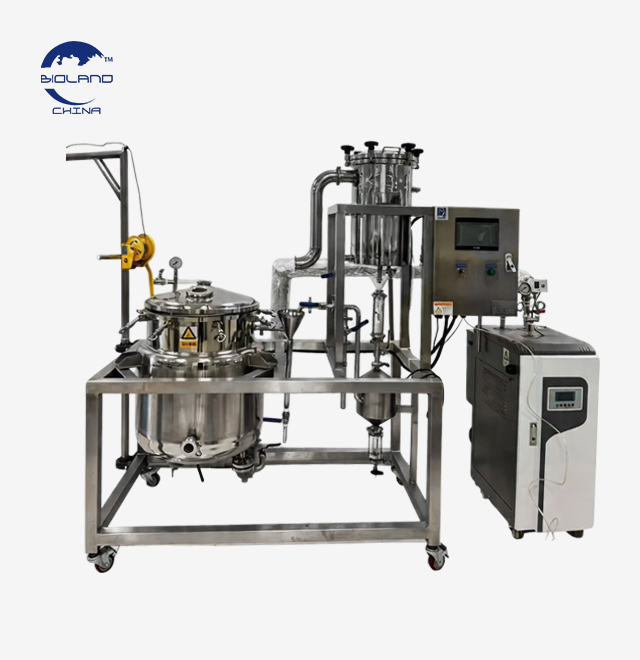
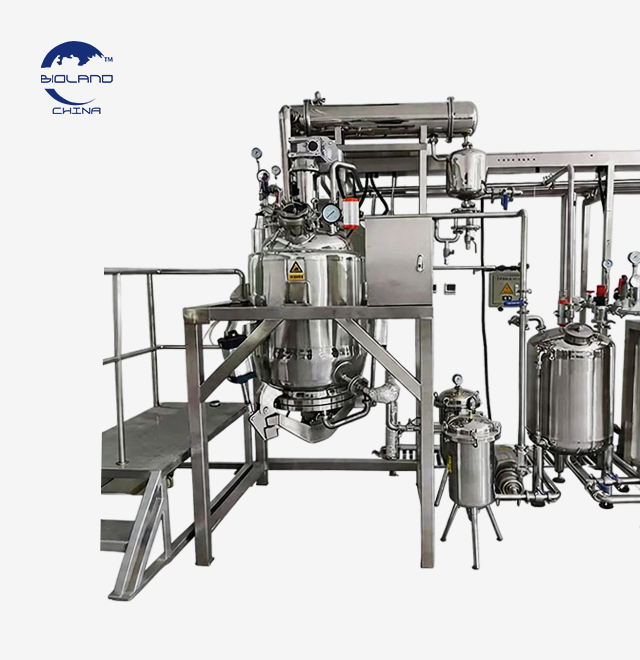
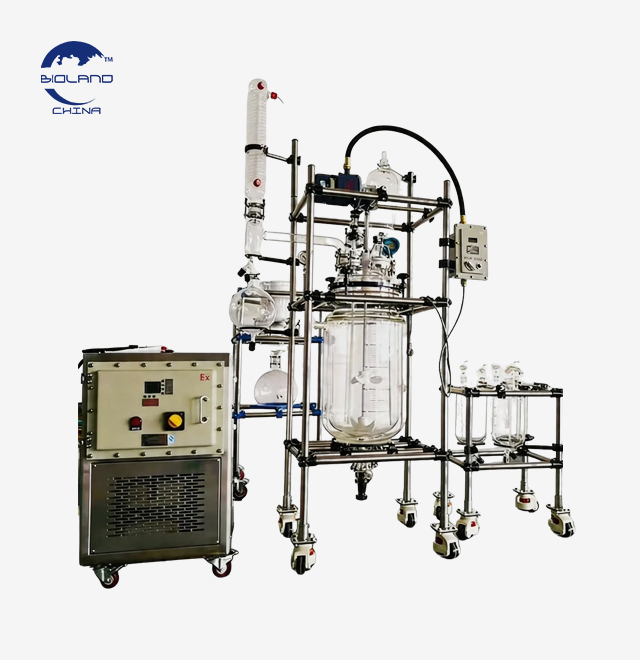
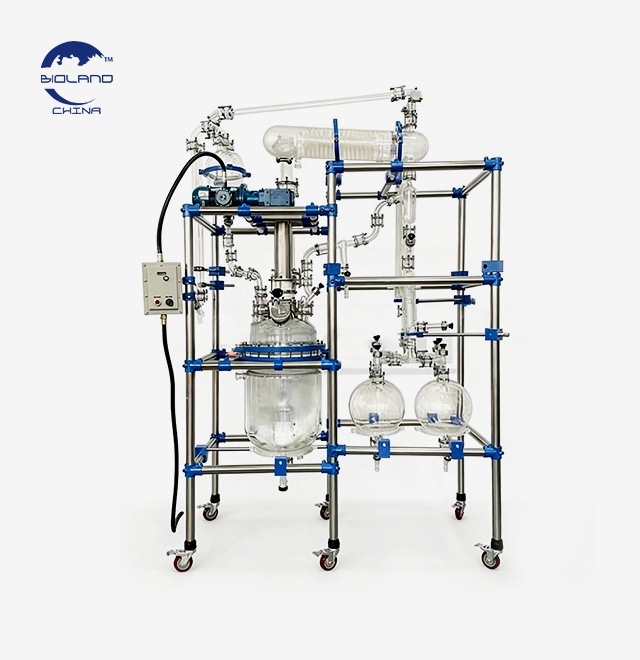
Accuracy is key for successful herbal extraction, and temperature is one of the most important things to keep an eye on. If the process gets too hot, it can break down sensitive active ingredients, lower the quality of the end result, and even put people's safety at risk. Reliable temperature control is not a nice-to-have for companies in the food, medicine, and nutritional industries; it's a must. Modern ultrasonic herbal extraction equipment is designed to handle this problem, with advanced cooling and control systems to keep your valuable plant products safe. This blog talks about the tried-and-true methods and cutting-edge technologies that will keep your extraction process effective, powerful, and cool at all times, protecting both your product and your profit margin.
Why Temperature Control Matters in Ultrasonic Herbal Extraction
Preserving the Bioactive Integrity of Herbal Compounds
The most important parts of herbs are thermolabile. These include flavonoids, polyphenols, essential oils, and vitamins that change when they get hot. Even short exposure to high temperatures can cause chemical breakdown, isomerisation, or oxidation that can't be fixed. Furthermore, this lowers the usefulness or healing strength of your extract and may also change its taste, colour, and smell, making it less good. So, the main job of high-tech ultrasonic herbal extraction equipment is to use cavitation to get the job done quickly while carefully managing the heat that comes from it to protect the compounds you want to separate.
Avoiding Solvent Loss and Ensuring Process Safety
The vapour pressure of common extraction solvents like ethanol, water, and other organic mixtures goes up a lot when the temperature goes up. This speeds up evaporation, which means more material is lost, more solvent is used, and the costs of doing business go up. Also, rising pressure from air can be dangerous in closed or partially closed systems. Maintaining stable solvent levels, predicting the process, and keeping a safe working environment are all important for any GMP-compliant facility. This can be done with proper temperature control in your ultrasonic herbal extraction equipment.
Case Study: Protecting Delicate Green Tea Catechins
A nutraceutical company faced inconsistent results when producing green tea extract. Analysis revealed their traditional method caused significant degradation of EGCG, a primary beneficial catechin, due to uncontrolled temperature spikes. Upon adopting a system with integrated real-time cooling, they maintained the extraction at a stable 45°C. The result was a consistent extract with over 95% EGCG retention, meeting their premium product specifications and justifying a higher market price. This highlighted how precise thermal control in ultrasonic herbal extraction equipmentdirectly translates to product quality and business value.
How Ultrasonic Power and Processing Time Affect Heat Generation
The Physics of Cavitation-Induced Heat
The intense heat generated during ultrasonic processing is a direct byproduct of the acoustic cavitation phenomenon. The violent implosion of millions of microscopic bubbles in the solvent creates localized hot spots with extreme temperatures and pressures. While this energy is fantastic for disrupting plant cell walls, it inevitably transfers heat to the bulk solvent. Understanding this mechanism is the first step to managing it. The design of high-performance ultrasonic herbal extraction equipment focuses on optimizing power input and frequency to maximize extraction yield while minimizing unnecessary thermal load.
The Direct Correlation Between Power Density and Temperature Rise
There is a clear and direct relationship: the higher the ultrasonic power density (watts per liter) applied, the greater the rate of heat generation. Running an extraction at maximum power without modulation will cause the system's temperature to rise rapidly. This is why intelligent control is a hallmark of superior equipment. Modern ultrasonic herbal extraction equipment allows operators to precisely dial in the power intensity, using just enough energy to achieve efficient cell rupture without overheating the medium, thus balancing speed with thermal protection.
Optimizing Cycle Time to Minimize Total Heat Input
The total heat energy added to the system is a function of both power and time. Prolonging the extraction cycle unnecessarily compounds the heating effect. Traditional methods might require hours, accumulating significant thermal stress. The beauty of ultrasonic technology is its speed—optimal yields are often reached in 24-40 minutes. This drastically shorter cycle inherently limits the total heat exposure. By using ultrasonic herbal extraction equipment designed for rapid, efficient processing, you fundamentally reduce the risk of thermal degradation compared to slow, conventional methods.
Using Cooling Systems to Maintain Stable Extraction Temperatures
Integrated Jacket Cooling for Direct Temperature Management
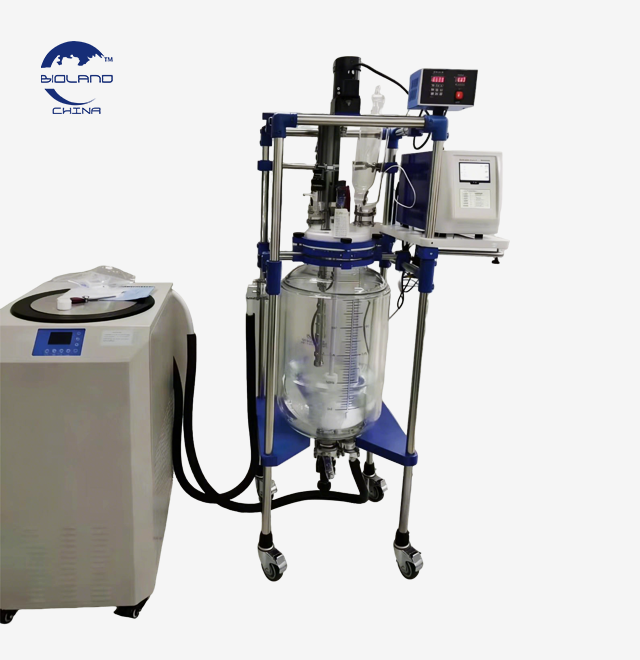
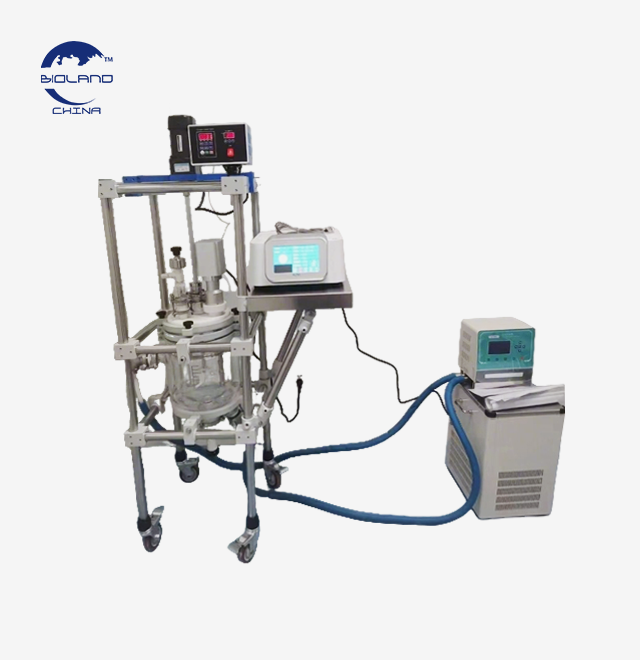
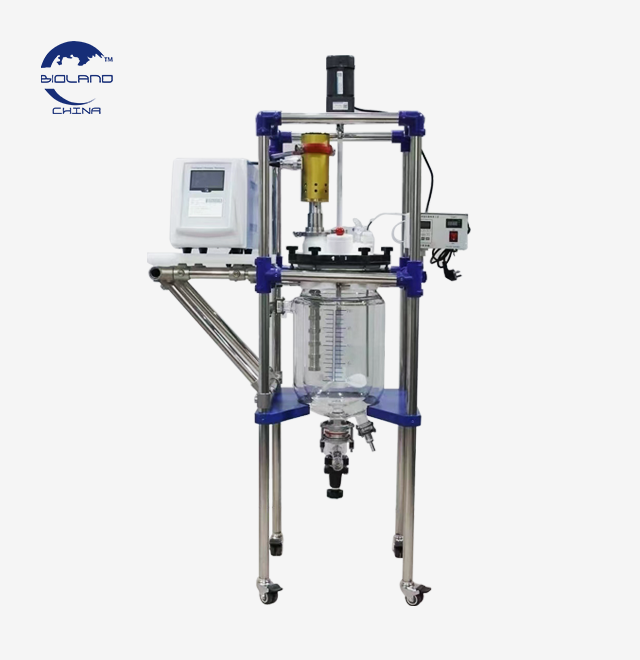
Having a combined cooling system is the best way to deal with heat. A double-walled or jacketed extraction vessel is part of more advanced ultrasonic herbal extraction equipment. A coolant, usually chilled water or a glycol mixture, flows through this jacket. This allows for direct and ongoing heat exchange, taking heat energy out of the process as it is being made. The main defence against burning is this jacket's cooling system, which keeps the temperature precisely within a narrow, ideal range, like the 40–60°C sweet spot for many plant compounds.
Coil Cooling Systems for High-Throughput Applications
If you're handling a lot of things at once or all the time, like in a tea polyphenol extraction line or a mushroom polysaccharide production unit, you might need more cooling space. In some systems, the extraction tank has cooling coils built right in. These coils add more surface area for heat to escape, and they work with the jacket cooling to handle the heat load of high-throughput tasks. This multi-layered cooling method in ultrasonic herbal extraction equipment makes it possible to expand without sacrificing temperature control, which is very important.
Case Study: Scaling Up Stevia Extraction Without Quality Loss
When a company that processes stevia tried to increase output, they found that their current batch system couldn't keep up with the temperature, which made the glycosides taste cooked. Bioland instrument's engineering team came up with a solution: a cooling jacket that was too big and a high-efficiency chiller unit that worked perfectly with their 500L ultrasonic herbal extraction equipment. Even when it was fully loaded, the system stuck to a strict 50°C limit. The client was able to double their batch size while keeping the clean, sweet taste of their stevia extract. This shows that designed cooling solutions can help businesses grow in a profitable way.
Monitoring Temperature During Continuous Ultrasonic Processing
The Role of RTD Sensors and PLC Feedback Loops
If you can't measure it, you can't control it. Resistance Temperature Detector (RTD) sensors that are inserted directly in the extraction medium are part of ultrasonic herbal extraction equipment that is at the cutting edge of technology. Programmable Logic Controller (PLC), which is the brain of the system, gets input from these monitors in real time. In a feedback loop that never ends, the PLC uses this information to change the power of the ultrasonic waves and automatically turn on the cooling valves. This closed-loop control makes sure that the set temperature is always kept exactly the same, even if the material or liquid changes.
Data Logging for Process Validation and Compliance
In regulated industries like pharmaceuticals and food, simply controlling temperature isn't enough; you must prove it. Our systems feature comprehensive data logging that records temperature, power settings, and time throughout the entire extraction cycle. This creates an immutable batch record essential for process validation, troubleshooting, and demonstrating compliance with GMP and FDA regulations. This level of documentation is a critical component of theultrasonic herbal extraction equipment we provide, offering our clients full traceability and peace of mind.
Visualizing Process Stability on the HMI
The Human-Machine Interface (HMI) touchscreen provides operators with a clear, real-time visualization of the process. Trend graphs display temperature over time, allowing for instant assessment of system stability. Any deviation is immediately visible, and operators can see the system's automatic adjustments in response. This user-friendly interface makes the advanced ultrasonic herbal extraction equipment accessible, empowering staff to oversee complex processes with confidence and ensuring consistent output quality batch after batch.
Optimizing Operating Parameters to Prevent Thermal Degradation
Pulsed Mode Operation for Controlled Energy Input
One sophisticated technique to manage heat is pulsed ultrasonication. Instead of continuous wave operation, the equipment can be programmed to deliver ultrasonic energy in short, controlled bursts (e.g., 5 seconds on, 2 seconds off). This pulse mode allows micro-pauses for heat to dissipate from the cavitation zone into the bulk liquid and the cooling system, preventing cumulative temperature rise. This feature is particularly valuable when extracting highly sensitive compounds, making your ultrasonic herbal extraction equipment adaptable to the most demanding botanicals.
The Synergy of Low Temperature and Vacuum Concentration
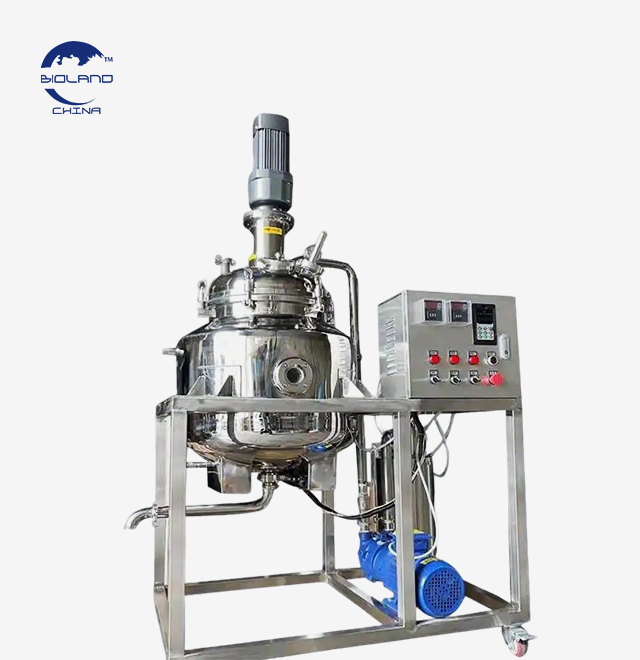
A truly optimized process integrates extraction with subsequent steps. For applications like producing tinctures or concentrated botanical pastes, our systems can perform ultrasonic extraction followed by vacuum concentration within a single, closed unit. The vacuum lowers the boiling point of the solvent, allowing for concentration at much lower temperatures (e.g., 60-100°C under vacuum). This prevents the final concentrate from undergoing a second thermal insult, ensuring the highest possible quality. This integrated functionality defines the efficiency of modern ultrasonic herbal extraction equipment.
Tailoring Parameters for Specific Botanicals: A Practical Guide
The ideal operating parameters are not one-size-fits-all. For a delicate propolis extraction to preserve flavonoids, lower power and a strict 40°C limit may be optimal. For a tougher chilli oleoresin extraction, higher power can be used, with robust cooling to manage the heat. Our technical team works with clients to develop tailored SOPs (Standard Operating Procedures) for their specific raw materials, whether it's quercetin from onion skin or polysaccharides from reishi mushrooms. This consultative approach ensures your ultrasonic herbal extraction equipment is not just a machine, but a fully optimized solution for your unique production needs.
Conclusion
Preventing overheating in ultrasonic herbal extraction is a multifaceted challenge solved through intelligent engineering and precise process control. By leveraging integrated jacket cooling, real-time monitoring via RTD sensors and PLCs, and optimized operating modes like pulsed sonication, modern equipment effectively manages thermal energy. This preserves the bioactivity of sensitive compounds, ensures process safety, and guarantees consistent, high-quality output. Ultimately, investing in advanced ultrasonic herbal extraction equipment with these features is an investment in the integrity and market value of your final botanical products.
FAQs
1. What is the ideal temperature range for most ultrasonic herbal extractions?
For a wide range of herbs and active compounds, maintaining the bulk solvent temperature between 40°C and 60°C is ideal. This range is warm enough to reduce solvent viscosity and enhance mass transfer but cool enough to prevent thermal degradation of flavonoids, terpenes, and other heat-sensitive molecules.
2. How quickly can your cooling systems respond to a temperature rise?
Our systems are designed for rapid response. The integrated PLC, receiving real-time data from RTD sensors, can adjust cooling valve positions within seconds of detecting a deviation from the setpoint. This proactive control prevents temperature overshoots before they occur.
3. Can the extraction and concentration processes be done at low temperatures?
Yes. Our integrated units perform ultrasonic extraction at low temperatures (e.g., 45°C) and then switch to vacuum concentration. The vacuum lowers the boiling point of the solvent, allowing for effective concentration at 60-100°C under reduced pressure, significantly lower than atmospheric boiling points.
4. What happens if there is a power or cooling failure?
Safety is paramount. Our ultrasonic herbal extraction equipment includes multiple safeguards. These include automatic power cut-offs triggered by high-temperature alarms, pressure relief valves, and systems designed to fail-safe. Operators are trained on manual shutdown procedures as a final backup.
5. How do I know what power and time settings to use for a new herb?
We provide full technical support. Our team helps you develop optimized parameters based on the botanical's properties and your target compound. We often utilize small-scale trials to determine the most efficient and gentle settings for your specific application before full-scale production.
Ready to Master Temperature Control in Your Extraction Process?
Don't let overheating compromise the quality and potency of your valuable herbal extracts. Bioland Instrument Co., Ltd. is your expert partner in providing ultrasonic herbal extraction equipment engineered with precision thermal management at its core. With over 15 years of experience, ISO and CE certifications, and a dedicated R&D team, we deliver complete, customized solutions—from lab-scale systems to full production lines. We don't just sell equipment; we provide the technology and support to solve your most challenging process problems, ensuring GMP compliance and maximizing your yield and product quality. Take the first step towards flawless, temperature-controlled extraction. Contact our specialists today for a consultation and a tailored proposal. Reach us directly at:info@biolandequip.com.
References
1. Chemat, F., Rombaut, N., Sicaire, A. G., Meullemiestre, A., Fabiano-Tixier, A. S., & Abert-Vian, M. (2017). Ultrasound assisted extraction of food and natural products. Mechanisms, techniques, combinations, protocols and applications. A review. Ultrasonics Sonochemistry, 34, 540-560.
2. Vinatoru, M., Mason, T. J., & Calinescu, I. (2017). Ultrasonically assisted extraction (UAE) and microwave assisted extraction (MAE) of functional compounds from plant materials. TrAC Trends in Analytical Chemistry, 97, 159-178.
3. Tiwari, B. K. (2015). Ultrasound: A clean, green extraction technology. TrAC Trends in Analytical Chemistry, 71, 100-109.
4. Pingret, D., Fabiano-Tixier, A. S., & Chemat, F. (2013). An improved ultrasound Clevenger for extraction of essential oils. Food Analytical Methods, 6(1), 121-128.
5. Knorr, D., Zenker, M., Heinz, V., & Lee, D. U. (2004). Applications and potential of ultrasonics in food processing. Trends in Food Science & Technology, 15(5), 261-266.
6. Gogate, P. R., & Kabadi, A. M. (2009). A review of applications of cavitation in biochemical engineering/biotechnology. Biochemical Engineering Journal, 44(1), 60-72.
The reactor is beautifully mirror-polished and fully complies with GMP requirements for the pharmaceutical industry. The performance is excellent! Overall, we are very satisfied! We also provided with some feedback on our process improvements, which we hope will be helpful.
2024-04-09
Laboratory
Excellent and professional service. Always reply our questions very fast. All reactors and chiller we received are good too.
2024-02-15
Research Institute
Quality is beyond our expectation actually. After we got the extraction equipment and started using it, the performance was beyond our expectation. Very easy to use and very efficient to run. Service always respond us very quickly. Was also very helpful to help us. Thanks Bioland team. Very happy to work with you.
2023-11-20
Biotech Company
We are happy about the new purchase as always. Equipment and services are both good.
2023-08-05
Instrument Lab
This is the second order with Bioland instrument and everything is good as the first dateText.
2023-05-12
Global Trading Partner
Bioland instrument team is very helpful and professional. The sales helped us select the right equipment for our application, and their logistics people handled the transportation and customs declaration for our shipment. All that saved us a lot of work.