Which Extraction Method Protects More Bioactive Compounds?
Sep 15, 2026
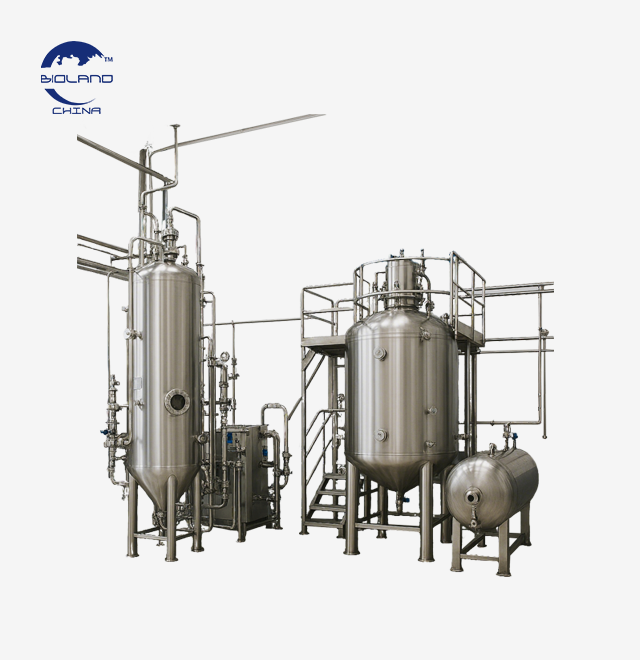
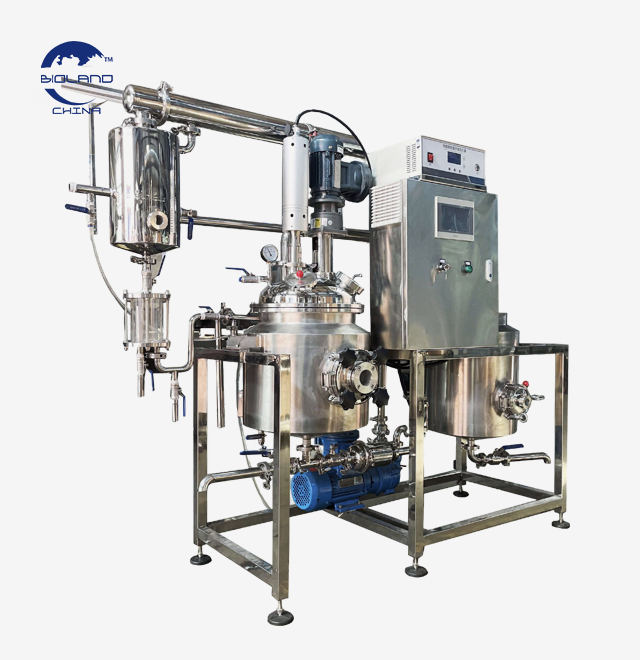
Which extraction method protects more bioactive compounds depends on temperature, processing time, solvent compatibility, oxygen exposure, and the stability of the target ingredient. Bioland Instrument’s ultrasonic herbal extraction equipment addresses these variables through cavitation-assisted mass transfer, controlled low-temperature operation, PLC-based process settings, and optional vacuum concentration. It is designed to recover valuable plant actives efficiently while limiting unnecessary thermal exposure.
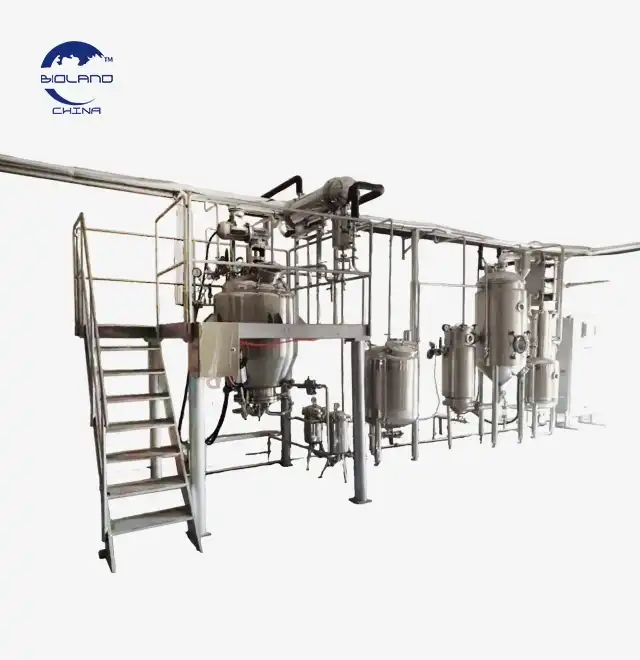
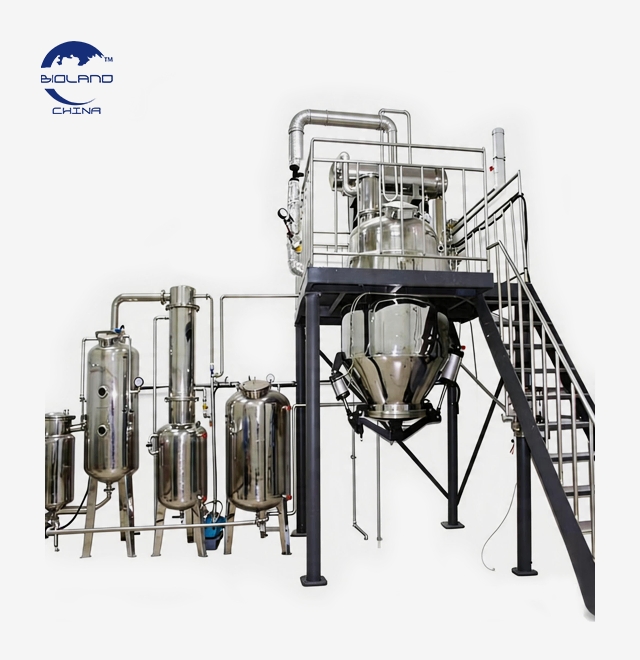
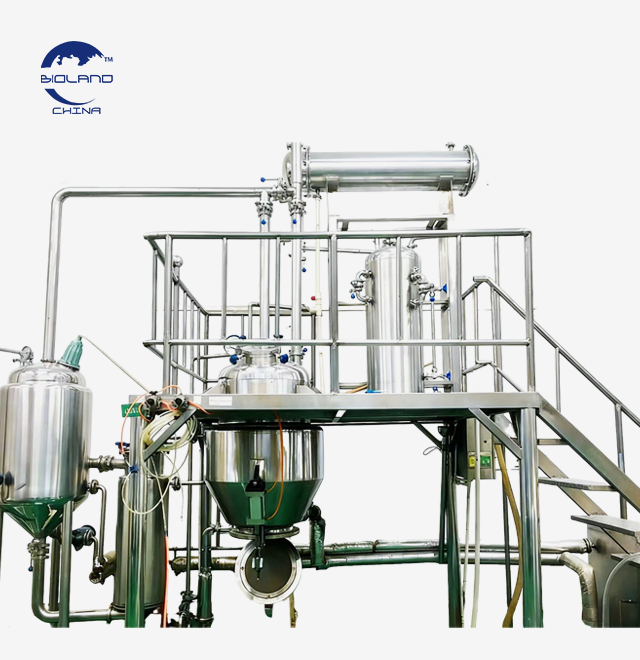
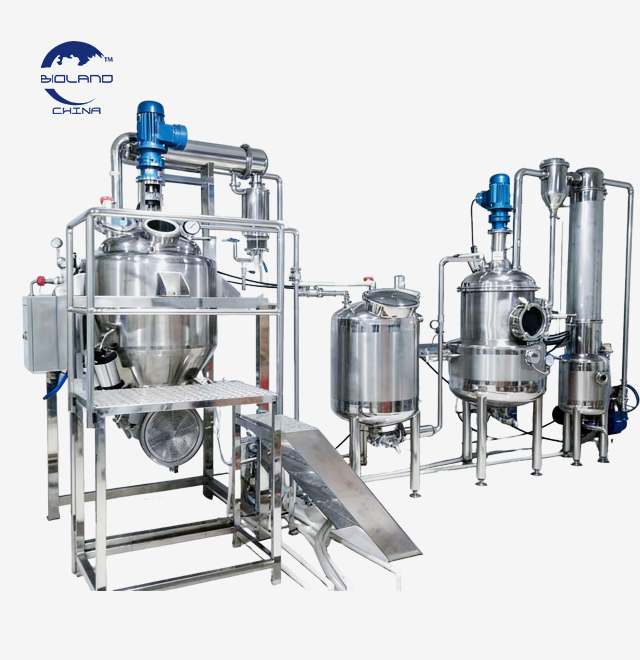
Instead of selling only an extraction tank, Bioland develops complete process solutions around ultrasonic herbal extraction equipment. Extraction, filtration, condensation, solvent recovery, concentration, and CIP cleaning can be integrated according to the raw material and finished-product specification. This approach supports polyphenols, flavonoids, polysaccharides, natural pigments, aromatic oils, alkaloids, plant proteins, and other compounds used in food, pharmaceutical, nutraceutical, beverage, and cosmetic production.
How Extraction Temperature Affects Bioactive Compound Stability
Why Excessive Heat Can Reduce Product Value
Heat improves solubility and diffusion, but prolonged exposure may reduce the stability of sensitive botanical compounds. Anthocyanins can lose color, volatile oils may evaporate, and certain phenolics, amino acids, flavonoids, and polysaccharides may undergo oxidation, hydrolysis, or structural changes. Therefore, the highest operating temperature does not necessarily produce the highest-quality extract.
Bioland instrument’s ultrasonic herbal extraction equipment is commonly optimized for herbal extraction at approximately 40–60°C. Cavitation strengthens solvent penetration and cell disruption without relying entirely on high heat. The precise temperature is established through raw-material testing because leaves, roots, flowers, mushrooms, propolis, and fruits have different cell structures and stability limits.
Matching Temperature to the Target Compound
Temperature selection should begin with the desired active compound rather than the botanical name alone. For example, extracting volatile aromatic oils requires a different temperature profile from recovering mushroom polysaccharides. Solvent concentration, pH, particle size, solid-to-liquid ratio, and downstream concentration conditions must also be evaluated.
With recipe-based ultrasonic herbal extraction equipment, operators can coordinate temperature, ultrasonic duration, circulation, agitation, and discharge. This controlled approach helps prevent one batch from being lightly processed and the next from being overheated. Optional online concentration monitoring further supports a defined endpoint instead of depending entirely on operator observation.
Protecting Tea Polyphenols and Natural Pigments
A tea processor may face declining color and inconsistent polyphenol content because a conventional tea extraction machine uses long, high-temperature cycles. Bioland can combine moderate-temperature ultrasound, filtration, vacuum concentration, and closed transfer. The result is a shorter process framework designed to protect tea polyphenols, flavonoids, amino acids, and aromatic fractions.
Pigment extraction from plants presents a similar challenge. Anthocyanins, betalains, carotenoids, chlorophyll, citrus-peel pigments, and capsanthin respond differently to heat, light, oxygen, and solvents. Ultrasonic herbal extraction equipment can be customized with temperature control, compatible seals, hygienic pipelines, and reduced-pressure concentration to support pigment stability throughout the process.
Vacuum Concentration After Gentle Extraction
Protecting compounds during extraction is only half the task. A gently produced liquid extract may still be damaged if it is concentrated through prolonged boiling. Bioland therefore connects extraction with evaporation, condensation, cooling, and vacuum control rather than treating concentration as an unrelated operation.
Standard BL-TN-C configurations of ultrasonic herbal extraction equipment list a system vacuum of approximately -0.085 MPa. Depending on the validated process, concentration can operate under controlled reduced pressure, helping lower the effective boiling point. Condensed secondary vapor may also return to the extraction circuit as recovered solvent, improving both compound protection and process economy.
Comparing Ultrasonic, Thermal, and Solvent-Based Extraction
Ultrasound Versus Conventional Thermal Extraction
Hot-water decoction and thermal reflux are established extraction methods. They can be effective for thermostable compounds, but their performance often depends on extended heating. Long residence times can increase energy consumption and may extract more unwanted substances, creating additional work during clarification, filtration, and purification.
By comparison, ultrasonic herbal extraction equipment applies acoustic cavitation to accelerate solid-liquid mass transfer. Supplier application data indicates that optimized extraction may reach a favorable endpoint in approximately 24–40 minutes, reducing treatment time by more than two-thirds against certain traditional processes. Actual results must be verified for each material, solvent, and analytical target.
Ultrasound Versus Passive Solvent Maceration
Solvent maceration uses water, ethanol, or another suitable liquid to dissolve plant actives over time. It is straightforward but may require hours or days because the process relies heavily on diffusion. Increasing solvent volume can improve contact, although it also enlarges storage, filtration, evaporation, and recovery requirements.
A tincture extraction machine built around ultrasonic herbal extraction equipment can intensify ethanol-based extraction while controlling time and temperature. Bioland evaluates ethanol concentration, plant loading, particle size, agitation, ultrasonic intensity, filtration accuracy, solvent recovery, and explosion-protection requirements. Customers receive an engineered process instead of a basic vessel that leaves critical production problems unresolved.
Selecting a Flexible Multi-Process System
No single extraction method suits every ingredient. Some products require low-temperature ultrasound, while others benefit from thermal reflux, dynamic percolation, water precipitation, alcohol precipitation, or a combined process. Flexibility becomes especially important for contract manufacturers processing several botanical materials on one line.
Bioland instrument’s ultrasonic herbal extraction equipment can support ultrasonic extraction, solvent extraction, Soxhlet-style dynamic extraction, hot reflux, wet maceration, percolation, precipitation, and vacuum concentration. This multi-process configuration lets customers optimize recipes without purchasing a completely separate production line whenever the raw material or target compound changes.
Practical Applications Across Different Markets
A Coffee Extraction Machine may target caffeine and related alkaloids, whereas a propolis extraction machine must separate flavonoids and phenolic acids from wax-rich material. Plant protein, wheat germ oil, peony seed oil, rose oil, peppermint oil, valerian aroma, tea juice, marine fish protein, and functional-food actives all require different operating windows.
For these applications, ultrasonic herbal extraction equipment can be configured with SUS304 or SUS316L contact surfaces, three-layer insulation, filtration, condensation, solvent recovery, vacuum concentration, and CIP cleaning. Engineering decisions are based on material compatibility, hygiene, target recovery, and downstream operations—not merely nominal tank volume.
The Role of Processing Time in Preserving Plant Actives
Why Shorter Exposure Can Improve Stability
Compound degradation is influenced by both temperature and duration. Even moderate heat may affect a sensitive extract when the material remains in the vessel for many hours. Longer cycles also increase exposure to oxygen, process interruptions, and variable operator decisions, potentially causing differences in color, aroma, potency, and filtration behavior.
Bioland instrument’s ultrasonic herbal extraction equipment shortens the mass-transfer stage by promoting rapid solvent movement through plant tissues. Supplier data reports optimized cycles of approximately 24–40 minutes for some herbal applications. This figure is not universal, but it illustrates how ultrasound may reduce cumulative thermal exposure while increasing the number of batches processed daily.
Stevia Glycosides: Reducing Extended Soaking
A stevia producer may experience slow recovery from leaves, stems, and roots when passive soaking limits solvent penetration. Extending extraction time occupies the vessel and can create inconsistent feed for purification. The production issue is therefore not simply yield; it is the relationship between recovery, batch duration, and repeatable extract quality.
A customized stevia extraction machine using ultrasonic herbal extraction equipment combines controlled water or ethanol extraction with circulation, filtration, and vacuum concentration. Cavitation assists the release of steviol glycosides, while PLC settings standardize treatment time. The customer gains a scalable processing route and more predictable scheduling rather than just a faster mixing tank.
Mushroom Polysaccharides: Improving Cell Access
A mushroom processor may find that prolonged hot-water extraction delivers variable solids and difficult filtration. Ganoderma lucidum, shiitake, enoki, tremella, sweet potato, jujube, and goji berry materials each present different cell structures, viscosities, and polysaccharide characteristics. Applying one fixed recipe across all materials creates avoidable inconsistency.
For ultrasonic extraction mushrooms and extraction of polysaccharides, Bioland configures ultrasonic herbal extraction equipment around milling size, water ratio, temperature, ultrasonic duration, circulation, filtration, concentration, and optional alcohol precipitation. Faster release can reduce vessel occupancy, while coordinated downstream equipment prevents concentration or filtration from becoming the next production bottleneck.
Chili Oleoresin: Controlling Time and Solvent Handling
A Chilli Oleoresin Extraction Plant must recover capsaicinoids, chili oleoresin, and capsanthin while managing solvent safely. Excessive processing time can reduce throughput and require more labor for transfer, filtration, and solvent recovery. Open handling may also increase solvent loss and product exposure.
Bioland can engineer ultrasonic herbal extraction equipment with closed pipelines, compatible seals, filtration, condensers, collection vessels, and solvent-recovery functions. The customer benefits from a connected extraction-concentration workflow, improved batch control, and fewer manual transfers. Suitable electrical and safety specifications are selected according to the solvent and local operating regulations.
How Cavitation Supports Efficient Low-Temperature Extraction
Cavitation Opens Faster Mass-Transfer Pathways
Ultrasonic waves create alternating compression and rarefaction cycles in the liquid. Microscopic bubbles form and collapse, generating localized turbulence, shear, and microjets. Near a plant particle, these physical forces can deform cell structures, refresh the solvent boundary layer, and create better access to intracellular compounds.
Inside ultrasonic herbal extraction equipment, cavitation works with mixing, circulation, temperature control, and appropriate solvent selection. It does not replace formulation development. Ultrasonic power, frequency, treatment duration, viscosity, particle size, and solid loading must be balanced so the process releases target actives efficiently without creating unnecessary fines or excessive co-extraction.
Flavonoid and Quercetin Extraction
The extraction of flavonoids may involve ginkgo leaves, bamboo leaves, chrysanthemum, ginger, lotus leaves, onion skins, Sophora japonica, ephedra, Abelmoschus manihot, or other medicinal plants. These materials contain different flavonoid profiles, so solvent polarity and temperature must match the selected analytical marker.
For ultrasound assisted extraction of quercetin, ultrasonic herbal extraction equipment can process materials such as larch, celery, mulberry leaves, rutin-rich Sophora buds, and Vaccinium bracteatum. Bioland develops the recipe around quercetin, rutin, quercitrin, or another defined target, then coordinates extraction with filtration and vacuum concentration.
Propolis Flavonoids and Phenolic Acids
Propolis manufacturers often struggle with waxy raw material, slow dissolution, and difficult solid-liquid separation. The commercial objective is to recover flavonoids and phenolic acids while controlling ethanol use and preventing filtration from limiting daily capacity.
A propolis extraction machine incorporating ultrasonic herbal extraction equipment improves contact between fragmented propolis and ethanol through cavitation. Bioland can add closed solvent handling, staged filtration, vacuum concentration, condensation, and recovery. This solution connects active-compound recovery with practical cleaning, operator safety, and solvent-management requirements.
From Extraction Tank to Concentrated Product
The process begins by loading prepared botanical material into the extraction tank. Water, ethanol, or another validated solvent is added according to the recipe. Operators set temperature, time, ultrasound, circulation, and agitation through the electrical control system. After extraction, the liquid is pumped through filtration and transferred to the concentrator.
In integrated ultrasonic herbal extraction equipment, secondary vapor passes through a condenser and cooler. Recovered condensate may return through the material bed, helping dissolve remaining soluble components. Concentration continues until the required solids content or density is reached. Demisters at vapor outlets help limit entrainment, and storage vessels support controlled transfer to the next production stage.
Selecting an Extraction Method for Higher Compound Stability
Begin with the Raw Material and Specification
Equipment selection should start with six questions: What is the raw material? Which compound must be recovered? How is potency measured? Which solvent is permitted? What daily output is required? What downstream form—liquid, paste, or powder—is expected? Without these answers, comparing machines by price or tank volume can lead to an unsuitable investment.
Bioland selects ultrasonic herbal extraction equipment by testing or reviewing particle size, moisture, solvent ratio, temperature sensitivity, filtration behavior, concentration target, and cleaning requirements. Laboratory findings are then translated into vessel geometry, ultrasound distribution, heating area, pump capacity, filtration area, and evaporation capacity for pilot or industrial production.
Capacity and Configuration Options
Standard BL-TN-C models are listed at 50, 100, 200, 300, and 500 liters. Their stated evaporation capacities are 20, 50, 70, 100, and 200 kg/h respectively. Listed motor power ranges from 2.7 to 3.5 kW, while jacket pressure is 0.09–0.3 MPa and compressed-air demand is 0.5–0.6 MPa.
Technology parameter
Model
BL-TN-C50L
BL-TN -C100L
BL-TN -C200L
BL-TN -C300L
BL-TN -C500L
Volume (L)
50
100
200
300
500
Evaporation capacity (kg/h)
20
50
70
100
200
Motor power(KW)
2.7
2.7
2.7
3.5
3.5
Steam consumption(kg/h)
25
60
90
120
250
System vacuum (MPa)
-0.085
-0.085
-0.085
-0.085
-0.085
Pressure of jacket(MPa)
0.09~0.3
0.09~0.3
0.09~0.3
0.09~0.3
0.09~0.3
Compressed air (MPa)
0.5~0.6
0.5~0.6
0.5~0.6
0.5~0.6
0.5~0.6
Evaporation temperature(°C)
60~100
60~100
60~100
60~100
60~100
Technology parameter
Depending on the project, ultrasonic herbal extraction equipment may include an ultrasonic system, extraction tank, tubular heater, evaporator, condenser, oil separator, receiver, liquid pump, metering vessel, storage tank, filter, vacuum pump, and control cabinet. Thermal-oil heating can be considered when plant steam is unavailable. Final specifications are confirmed through engineering review.
Automation, Hygiene, and Safe Operation
Consistent compound stability requires repeatable operation. PLC control, online concentration monitoring, automatic discharge, continuous feeding, and CIP cleaning can reduce manual variation. SUS304 or SUS316L construction, hygienic pipelines, insulated vessels, and GMP-oriented design support food, pharmaceutical, biopharmaceutical, cosmetic, pigment, and beverage applications.
Safe use of ultrasonic herbal extraction equipment requires correct grounding, liquid-level control, valve sequencing, pressure and vacuum checks, solvent-compatible seals, and scheduled inspection of pumps, filters, condensers, and instruments. Ethanol or other flammable solvents require an appropriate hazard assessment and electrical configuration based on applicable local standards.
Why Bioland Is a Process-Solution Partner
Xi’an Bioland Instrument Co., Ltd. has more than 15 years of experience in extraction, concentration, distillation, reaction, filtration, separation, purification, crystallization, mixing, emulsification, and drying systems. Its engineering portfolio allows botanical processors to source connected operations from one technical team.
Bioland instrument’s ultrasonic herbal extraction equipment is supported by an in-house R&D team, CE and ISO certification, OEM/ODM engineering, and GMP/FDA-oriented manufacturing. Standard products are generally prepared in 5–7 days, while customized systems typically require approximately 30 business days, subject to final design complexity and production scheduling.
Customers receive weekly production photos or videos from a dedicated specialist. After completion, Bioland provides detailed inspection materials before shipment, or customers may arrange a Factory Acceptance Test at the factory. Sea, rail, and air freight options are available, together with a one-year quality warranty and lifetime maintenance support.
Conclusion
The extraction method that protects the most bioactive compounds is the one balancing temperature, time, solvent selectivity, oxygen exposure, and downstream concentration. Thermal extraction remains practical for stable ingredients, while maceration may suit simple, low-volume production. For sensitive polyphenols, flavonoids, pigments, aromatic compounds, polysaccharides, and selected alkaloids, ultrasonic herbal extraction equipmentoften provides a stronger balance of rapid mass transfer and moderate operating temperature. Bioland Instrument adds value by integrating filtration, vacuum concentration, condensation, solvent recovery, automation, and CIP cleaning into a customized process. Because botanical materials vary, pilot evaluation and analytical testing remain essential. With suitable process development, manufacturers can protect compound stability while improving throughput, repeatability, and production economics.
FAQs
Q1: What temperature is commonly used for ultrasonic herbal extraction?
Many herbal processes are optimized at approximately 40–60°C, but the final setting depends on the target compound.
Q2: Can the system use ethanol?
Yes. Water and ethanol are common, subject to solvent compatibility and safety evaluation.
Q3: Does ultrasound work for polysaccharides?
Yes. Ultrasonic herbal extraction equipment can process mushroom, goji, jujube, and sweet-potato polysaccharides.
Q4: Can extraction and concentration be integrated?
Yes. Filtration, vacuum concentration, condensation, and solvent recovery can form one connected line.
Protect Your Bioactives with a Bioland Instrument Solution
Your product value depends on more than extracting a high mass of solids—it depends on preserving the compounds customers actually purchase. Send Bioland Instrument your botanical material, target marker, daily capacity, solvent, temperature limit, and required extract form. Our engineers will develop ultrasonic herbal extraction equipment around your real process challenge, integrating extraction, filtration, vacuum concentration, solvent recovery, PLC control, and CIP where required. Bioland offers competitive pricing, CE and ISO assurance, GMP-oriented SUS304/316L construction, OEM/ODM customization, weekly production updates, optional FAT, global freight, a one-year warranty, and lifetime maintenance. Whether your project involves stevia, tea polyphenols, mushroom polysaccharides, propolis, chili oleoresin, quercetin, or natural pigments, let us turn laboratory objectives into reliable production. Contactinfo@biolandequip.comto discuss your process and request a tailored proposal.
References
1. Chemat, F., Rombaut, N., Sicaire, A. G., Meullemiestre, A., Fabiano-Tixier, A. S., and Abert-Vian, M. “Ultrasound Assisted Extraction of Food and Natural Products: Mechanisms, Techniques, Combinations, Protocols and Applications.” Ultrasonics Sonochemistry, 2017, 34: 540–560.
2. Tiwari, B. K. “Ultrasound: A Clean, Green Extraction Technology.” TrAC Trends in Analytical Chemistry, 2015, 71: 100–109.
3. Vinatoru, M. “An Overview of the Ultrasonically Assisted Extraction of Bioactive Principles from Herbs.” Ultrasonics Sonochemistry, 2001, 8(3): 303–313.
4. Azmir, J., Zaidul, I. S. M., Rahman, M. M., et al. “Techniques for Extraction of Bioactive Compounds from Plant Materials: A Review.” Journal of Food Engineering, 2013, 117(4): 426–436.
5. Vilkhu, K., Mawson, R., Simons, L., and Bates, D. “Applications and Opportunities for Ultrasound Assisted Extraction in the Food Industry—A Review.” Innovative Food Science & Emerging Technologies, 2008, 9(2): 161–169.
6. Shirsath, S. R., Sonawane, S. H., and Gogate, P. R. “Intensification of Extraction of Natural Products Using Ultrasonic Irradiations—A Review of Current Status.” Chemical Engineering and Processing: Process Intensification, 2012, 53: 10–23.
The reactor is beautifully mirror-polished and fully complies with GMP requirements for the pharmaceutical industry. The performance is excellent! Overall, we are very satisfied! We also provided with some feedback on our process improvements, which we hope will be helpful.
2024-04-09
Laboratory
Excellent and professional service. Always reply our questions very fast. All reactors and chiller we received are good too.
2024-02-15
Research Institute
Quality is beyond our expectation actually. After we got the extraction equipment and started using it, the performance was beyond our expectation. Very easy to use and very efficient to run. Service always respond us very quickly. Was also very helpful to help us. Thanks Bioland team. Very happy to work with you.
2023-11-20
Biotech Company
We are happy about the new purchase as always. Equipment and services are both good.
2023-08-05
Instrument Lab
This is the second order with Bioland instrument and everything is good as the first dateText.
2023-05-12
Global Trading Partner
Bioland instrument team is very helpful and professional. The sales helped us select the right equipment for our application, and their logistics people handled the transportation and customs declaration for our shipment. All that saved us a lot of work.