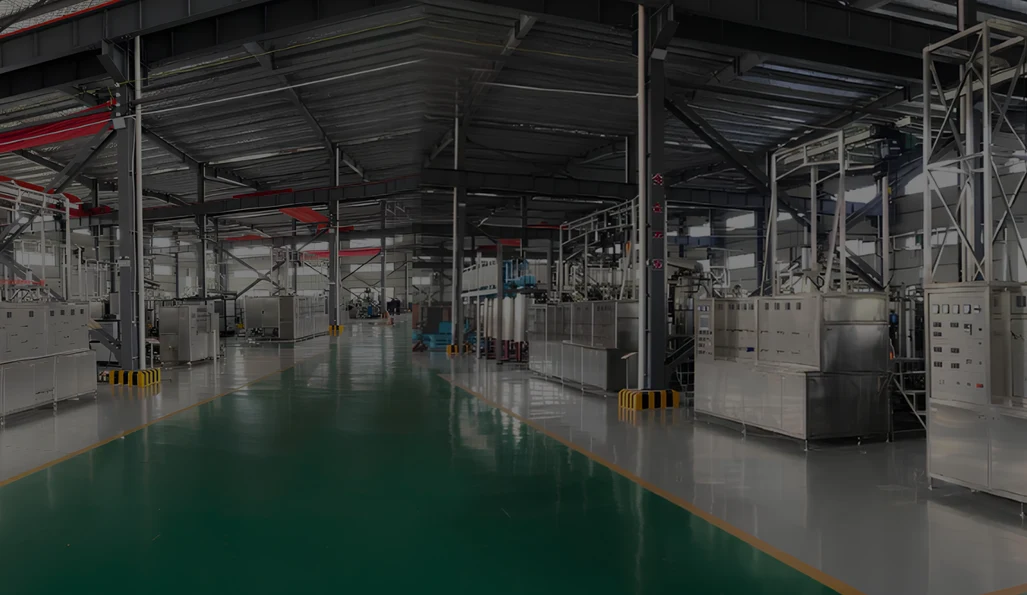
Herbal Distillation Equipment for Cosmetic Ingredient Production
Nov 13, 2026
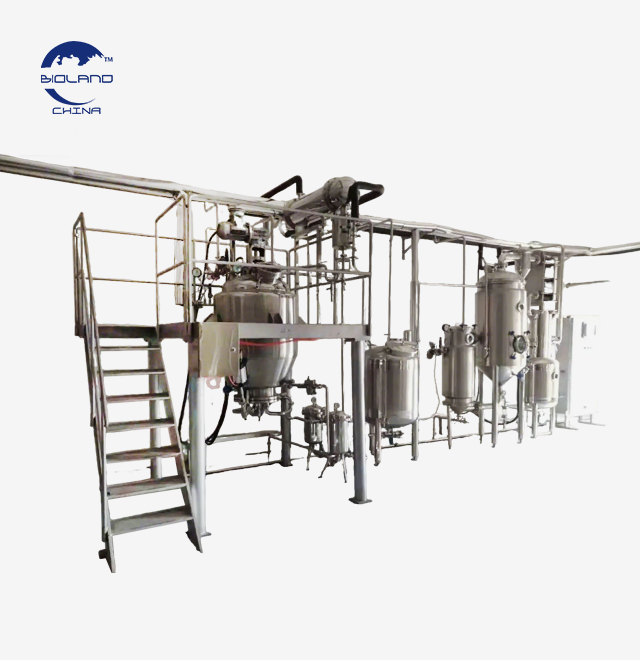
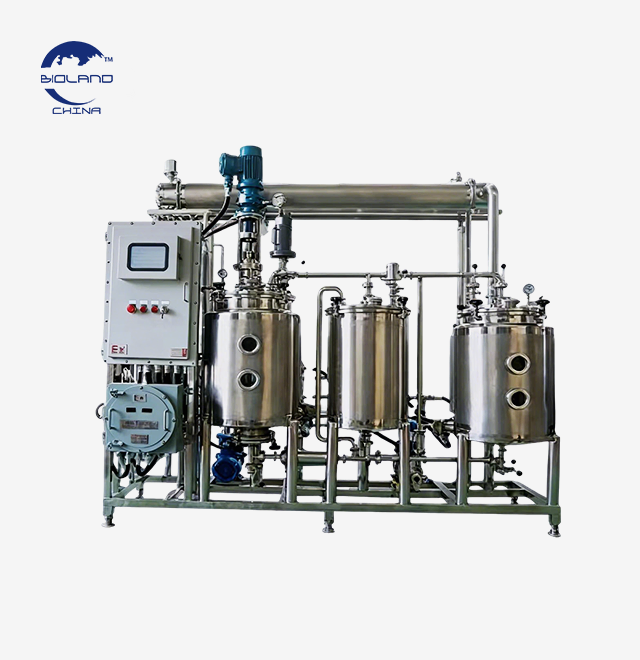
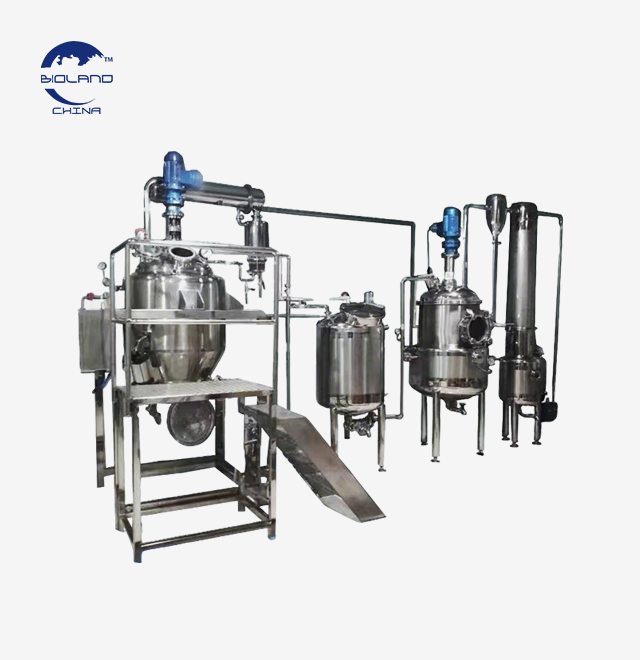
Botanical oils are only useful to cosmetics makers if their smell, quality, and batch-to-batch consistency meet certain product requirements. Bioland Instrument's herbal distillation equipmentcan be set up with a heating tank, a condenser, layered material baskets, temperature controls, and a distillation vessel so that it can be used as a whole production process. The system can be changed to fit the type of plants, the size of the batch, and the needs of the site.
The BL-JT models on the market range from 50 L to 1,000 L. Bioland gives examples of how these models can be used, such as a 500 L lavender oil unit and a 1,000 L lemongrass production line. This guide talks about how to evaluate herbal distillation equipment for cosmetic ingredients, including picking the right plants, setting process parameters, making sure the products are pure, and increasing the size of a production line. Trials with your own herbs should be used to confirm the end result.
Which Herbs Are Suitable for Cosmetic Ingredient Extraction?
Select the process for the desired cosmetic ingredient
Start with the piece of food you want to make. For volatile aromatic compounds and hydrosols, steam distillation works well, but for many non-volatile compounds, a different extraction method is needed. Instead of thinking that one process can get every useful chemical from a plant, pick the herbal distillation equipment based on the ingredient you want to make, the plant material you want to use, and the form of the product you need to make it in.
When plant parts like flowers, leaves, stems, roots, or fruits contain volatile compounds that can be recovered, the right herbal distillation equipment can process them. The requirements for cosmetics may include things like color, density, scent profile, and analysis markers. Setting these goals before choosing the equipment helps figure out the size of the vessel, the capacity of the condenser, the design of the separator, and the right process controls.
Flowers and leaves with aromatic profiles
Some flowers and leaves that are used to make plant ingredients smell good are lavender, rose, lemongrass, mint, rosemary, thyme, chamomile, marigold, and mugwort. Herbal distillation equipment must account for variations in bulk density, moisture content, and packing technique for these materials. A stacked distillation basket can help keep the material close to the steam and make it easier to put in and take out.
Aroma and oil content can be changed by the type of plant, how it was harvested, and how it was stored. Before you decide on a production recipe, you should compare different lots and write down the botanical source, plant part, moisture, batch weight, distillation time, and oil that was collected. A controlled process helps manufacturers tell the difference between changes that happen naturally in the raw materials and changes that happen because of how the equipment is set up.
Roots, fruits and non-volatile actives
Ginger, clove, star anise, and citrus peel are all things that might contain volatile aromatic compounds that can be distilled. Use herbal distillation equipment only when steam or water distillation will work on the target. Castor and grapeseed oils, on the other hand, are set oils that are usually made in other ways, like by pressing or chemical extraction.
Flavonoids, polysaccharides, and proteins are just a few of the active ingredients in cosmetics that are not volatile essential oils. Depending on the compound and the needs of the product, ultrasonic extraction, solvent extraction, or supercritical CO₂ processing may be better. Bioland instrument sells different kinds of extraction systems, so buyers can talk about whether herbal distillation equipment or a different method is best for the ingredient they want to use.
How Does Steam Distillation Preserve Botanical Compounds?
Load the botanical and establish the steam route
The first step in using herbal distillation equipment is to put the ready-to-use plants in the extraction vessel. These plants are usually put in a removable or layered basket. Depending on the method, either steam is passed through the material or water is used to distilll the plant. Volatile compounds are released by heat and move with the vapor to the condenser.
Herbal distillation equipment needs to be able to handle even loads and have an easy way to get rid of waste after a batch. Bioland instrument talks about a tank design with a top hole and stacked distillation bins that make it easier to add and clean. Good access can cut down on manual work and make it easier for operators to prepare batches over and over again.
Condense the vapor and separate the products
The gas is cooled in a compressor and then gathered as a liquid called hydrosol, which is a mix of fragrant water and essential oil. It is sent by the herbal distillation equipment to an oil-water separator, where the visible phases can be collected separately. Depending on how dense it is, the oil may float or sink, so the separator needs to be right for the plant.
Bioland instrument talks about using high-borosilicate glass for the condenser and separator in certain ways that let workers see the separation process. It also includes droplet-style or short-distance reflux condenser designs that are meant to help cool things down quickly. The actual recovery rate relies on the plant, the load, the steam source, the cooling conditions, and how the process is set up.
Control heat exposure and protect the aroma profile
Some types of direct contact between plants and a hot surface can be limited by steam distillation, but it doesn't protect all heat-sensitive compounds from breaking down. With herbal distillation equipment, you can control the heating profile, steam conditions, and exposure time. After that, you can compare the oil to your needs for aroma and analysis.
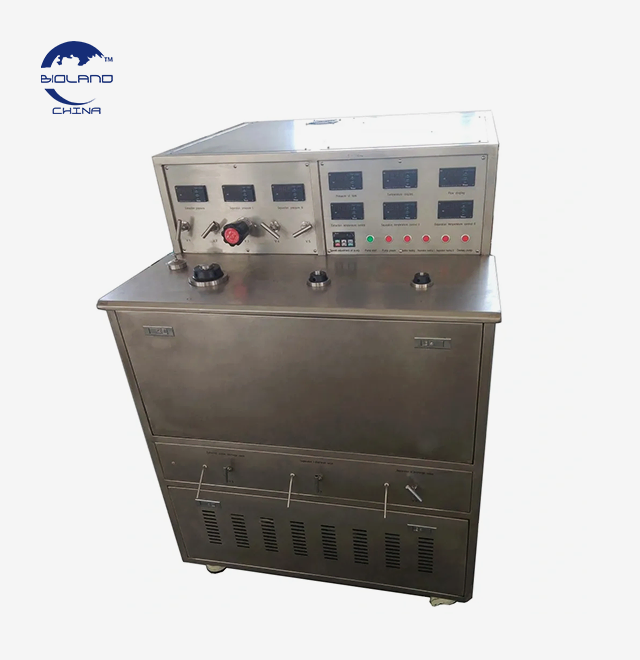
The temperature control choice given can handle temperatures between 0°C and 100°C with an accuracy of ±0.5°C. It also has the ability to control two zones at once and protect against low liquid levels. The operating pressure, temperature measurement points, and intended distillation mode of a set of herbal distillation equipment should be checked. Instead of just looking at the reading on the screen, these features help you figure out if the tools work with the process.
Key Process Parameters for Cosmetic-Grade Essential Oils
Standardize the botanical before loading
Keep track of the plant's name, part of the plant, supplier or harvest lot, moisture level, and storage conditions before processing. The material can be fresh or dried, but the way it is prepared and loaded should be the same for each batch. Determine the state of the material and the average batch size before placing an order for herbal distillation equipment. This will help the seller figure out the useful tank volume and basket capacity.
How air moves through the plant bed depends on the size and quantity of the particles. Too much compaction can stop the flow of material, and uneven loading can make it hard to compare results from different batches. In the batch record, write down how the plants were prepared and how the baskets were loaded. Then, use controlled trials to look at any changes.
Specify heating, temperature and cooling
Direct gas heating, steam heating, and electric jacket heating with thermal oil are all possible ways to heat the machine, based on the type and setup. Choose herbal distillation equipmentbased on the process conditions, the amount of time needed to heat up, and the utilities that are available on the site. Check the quote to make sure it includes the right heating method, as not all options come standard on all models.
The ability to cool is important because air needs to be cooled down before it can be collected and divided. Check the cooling water flow, the inlet temperature, and the condenser's stated capacity for herbal distillation equipment under the planned operating conditions. The listed systems have cooling-area numbers for each model; check with the supplier to make sure you understand their units and how they came up with the numbers.
Monitor collection and define the batch endpoint
It is important to keep track of the feed mass, heating time, distillation time, cooling conditions, and the amounts of oil and hydrosol that are recovered in a batch record. If the chosen configuration includes a glass separator, the herbal distillation equipment should let operators watch the flow of condensate and see how oil and water separate. These records help find differences in the process and help with choosing when to stop a batch.
Choose the collection endpoint that fits the product's needs instead of just using a set time. For each representative batch, compare the amount of oil that was collected and the results of the tests. If you want to improve a recipe, make one big change at a time, like the amount of ingredients, the steam rate, or the cooking time. This way, you can see what happens and write it down.
How to Ensure Consistent Purity in Herbal Distillates
Start with traceable raw materials
Purity starts before it is distilled. Cosmetic companies should set acceptance standards for checks on plant identity, source paperwork, storage, obvious pollution, and other raw material checks that are important. Herbal distillation equipment can't make up for feedstock that isn't well characterized or is contaminated, so incoming lots should be able to be linked to batches of finished oil and hydrosol.
Needs are different for each product, business, and customer. Set the limits and test methods that will be used with the quality team, and keep representative samples when needed. A clear specification for the raw materials helps manufacturers look into differences in smell or test results without assuming that the equipment is to blame.
Separate oil and hydrosol carefully
There are different types of products called essential oils and hydrosols, and they are used for different things. A borosilicate separator that can be seen can help operators watch the phases form and collect the streams in a controlled way. Check the separator volume, drainage arrangements, and collection connections for herbal distillation equipment against the expected batch condensate.
Some plant oils mix together or separate more slowly than others. Before going big, test the feedstock that you want to use and come up with a consistent way to settle it and collect it. Check the oil and hydrosol separately against their own requirements; a clear visual separation between the phases is helpful for operation but doesn't prove chemical purity.
Combine cleanability with analytical verification
Say what materials can touch the product, if the gaskets can work with them, if they can drain, and how easy it is to clean with the botanicals and cleaning agents that are used. Stainless steel construction in SUS304 or 316L can be chosen based on the needs of the project. Herbal distilling equipment that has CIP choices may be able to be cleaned regularly, but the buyer and maker should agree on how the cleaning performance will be checked.
As needed, use the right analytical tests, like GC-FID or GC-MS, to look at the volatile profile along with any other tests needed for the ingredient. Quality systems for cosmetics factories may also need written records of each batch and proven ways to clean. Designing equipment with GMP in mind can help a facility's controls, but it doesn't certify the facility or the finished product itself.
Scaling Herbal Distillation for Cosmetic Manufacturing
Size the vessel around feedstock and production demand
There are BL-JT distillation models from 50 L to 1,000 L on Bioland's list. The mentioned sizes are 50, 100, 200, 300, 500, 1000 L, and the sizes of the separators are 15, 15, 20, 25, 35, 50, and 70 L. The actual feedstock volume, loading density, batch schedule, and collection needs further down the line will help you choose the right herbal distillation equipment.
Parameter
Type
Voltage
Volumn (L)
Heating Method
Cooling Area(m2)
Power (kw)
BL-JT-50
Three-phase 380/220V
50
Electric heating
1
10
BL-JT-100
100
1.5
12
BL-JT-200
200
2
18
BL-JT-300
300
3
25
BL-JT-500
500
Steam heating
4
2.2
BL-JT-1000
1000
8
3
The cooling-area numbers for these models are 1, 1.5, 2, 3, 4, 8, and 15. Check with the supplier to make sure you understand their units and design basis. When planning capacity, you should also think about the time it takes to heat up, process, unload, clean, and switch over. If the condenser or filter gets clogged, a bigger tank doesn't always mean more oil that can be sold.
500 L lavender: a production-scale application example
A 500 L lavender essential oil extraction unit is one of the application examples Bioland gives. When a lavender grower moves on from smaller kettles, it can be hard to handle big flowers consistently and collect the oil-water condensate in a safe way. This app tells users exactly what size pot they need for a lavender-specific process.
The BL-JT-500 listing says that it uses steam for heating, has a cooling area of 4, and has a 35 L separator. Depending on the final setup, a tiered basket with clear separation can help keep loading and collecting in order. The mentioned capacity doesn't promise a certain amount of oil; use sample lavender lots and clear acceptance tests to make sure.
1,000 L lemongrass: plan for bulk leafy material
A 1,000-liter line for making essential oil from lemongrass is the second example of an application that was given. When a maker wants to make more, they need to think about how to load the basket, how to distribute the air, how to load the condenser, and how to handle the condensation all at the same time. The process can be shaped around actual production needs by matching herbal distillation equipment to the material.
The BL-JT-1000 model listing lists a 50 L separator and an 8-area cooling figure. These are the features of the tools; they are not guarantyd output or extraction rate numbers. Talk to the supplier about the heating configuration, utility needs, loading method, and collection process. Trial data should show if the proposed line can handle the needed oil profile and daily production schedule.
Integrate the line and evaluate supplier support
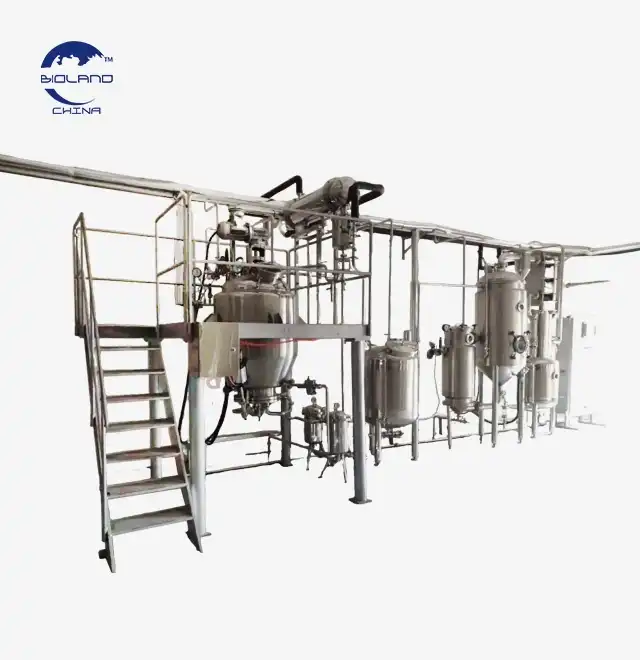
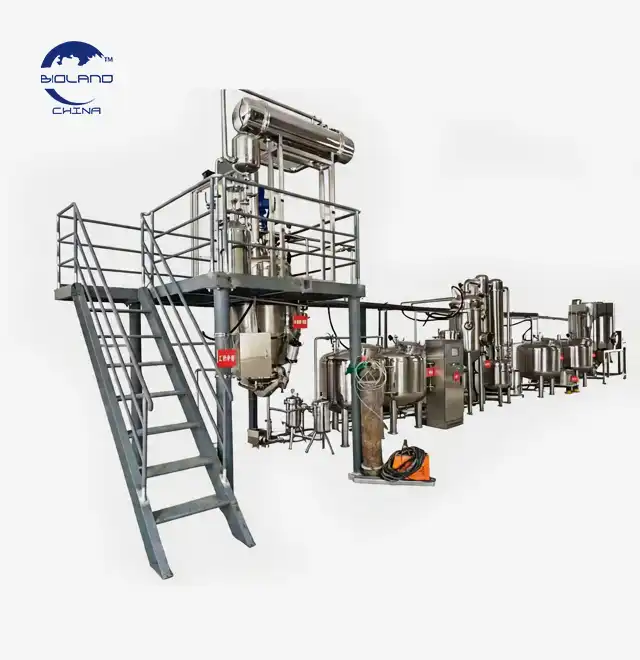
The heating, condenser, separator, collection vessels, controls, and utility connections may all be part of an integrated project. When a company makes both volatile oils and non-volatile botanical actives, they can choose to use herbal distillation equipment along with ultrasonic extraction or supercritical CO₂ systems. Make the process boundaries clear so that each product can be extracted in the right way.
Xi'an Bioland Instrument Co., Ltd. has been making process equipment for more than 15 years and offers OEM/ODM engineering, CE and ISO certifications, and GMP-friendly configurations. The company says it offers weekly photos or videos of the production process, media for the end of the project, pre-shipment review, and Factory Acceptance Testing as an option. Check that the right paperwork, scope, warranty, and service terms are included for the order.
Conclusion
When choosing a herbal distillation equipmentmethod for beauty ingredients, the target molecule and material are the first things that are looked at. Next are the temperature, steam delivery, condensation, separation, cleaning, and analysis release. Bioland lists BL-JT systems that are 50–1,000 L, and examples that are given include 500 L lavender and 1,000 L lemongrass lines. These abilities help plan a project, but they don't promise oil output, purity, or payback. To be sure of performance, perform sample plant trials. Using a set-up tank, a stacked basket, controlled heating, a borosilicate divider that can be seen, and the right condenser can make it easier to keep an eye on and repeat amounts. Ask for details, documentation, utilities, FAT criteria, and service terms that are specific to the model. A validated process line that meets the needs of production and cosmetic quality is the best investment, not just a vessel with a bigger nominal volume.
FAQ
Which plants can the equipment process?
Aromatic botanicals such as lavender, lemongrass, rose, mint and rosemary can be evaluated for distillation.
Can it produce hydrosol as well as essential oil?
Yes. Distillation produces a condensate that can be separated into oil and aromatic water.
Are the listed cooling-area values enough to size a system?
No. Confirm units, operating assumptions and cooling-water requirements with the supplier.
Can the equipment be customized?
OEM/ODM options are available; confirm materials, heating method, controls and documentation for the project.
Does herbal distillation equipment extract every cosmetic active?
No. Non-volatile compounds may require another extraction method, such as ultrasound or CO₂.
Discuss Your Cosmetic Ingredient Process with Bioland Instrument
Are you planning a lavender, lemongrass or other botanical oil line? Bioland Instrument works with manufacturers to develop process solutions covering distillation, extraction, separation, concentration and supporting heating, cooling and vacuum equipment. Its R&D and engineering team can discuss feedstock, batch size, heating method, condenser capacity and product specifications before a configuration is selected.
Bioland offers OEM/ODM customization, competitive manufacturer pricing, CE and ISO credentials, and GMP-oriented equipment options. Herbal distillation equipment can be tailored to your process and site requirements, with weekly production updates, pre-shipment review and optional FAT. The company states typical lead times of 5–7 days for standard products and about 30 business days for customized builds; sea, rail and air freight, a one-year warranty and lifetime maintenance are also offered under stated terms. Email info@biolandequip.com to discuss your botanical and production goals.
References
1. Masango, P. (2005). Cleaner production of essential oils by steam distillation. Journal of Cleaner Production, 13(8), 833–839.
2. Turek, C., & Stintzing, F. C. (2013). Stability of essential oils: A review. Comprehensive Reviews in Food Science and Food Safety, 12(1), 40–53.
3. Başer, K. H. C., & Buchbauer, G. (Eds.). (2015). Handbook of Essential Oils: Science, Technology, and Applications (2nd ed.). CRC Press.
4. Tongnuanchan, P., & Benjakul, S. (2014). Essential oils: Extraction, bioactivities, and their uses for food preservation. Journal of Food Science, 79(7), R1231–R1249.
5. Chemat, F., Vian, M. A., & Cravotto, G. (2012). Green extraction of natural products: Concept and principles. International Journal of Molecular Sciences, 13(7), 8615–8627.
6. International Organization for Standardization. (2007). ISO 22716: Cosmetics—Good Manufacturing Practices (GMP)—Guidelines on Good Manufacturing Practices.
The reactor is beautifully mirror-polished and fully complies with GMP requirements for the pharmaceutical industry. The performance is excellent! Overall, we are very satisfied! We also provided with some feedback on our process improvements, which we hope will be helpful.
2024-04-09
Laboratory
Excellent and professional service. Always reply our questions very fast. All reactors and chiller we received are good too.
2024-02-15
Research Institute
Quality is beyond our expectation actually. After we got the extraction equipment and started using it, the performance was beyond our expectation. Very easy to use and very efficient to run. Service always respond us very quickly. Was also very helpful to help us. Thanks Bioland team. Very happy to work with you.
2023-11-20
Biotech Company
We are happy about the new purchase as always. Equipment and services are both good.
2023-08-05
Instrument Lab
This is the second order with Bioland instrument and everything is good as the first dateText.
2023-05-12
Global Trading Partner
Bioland instrument team is very helpful and professional. The sales helped us select the right equipment for our application, and their logistics people handled the transportation and customs declaration for our shipment. All that saved us a lot of work.