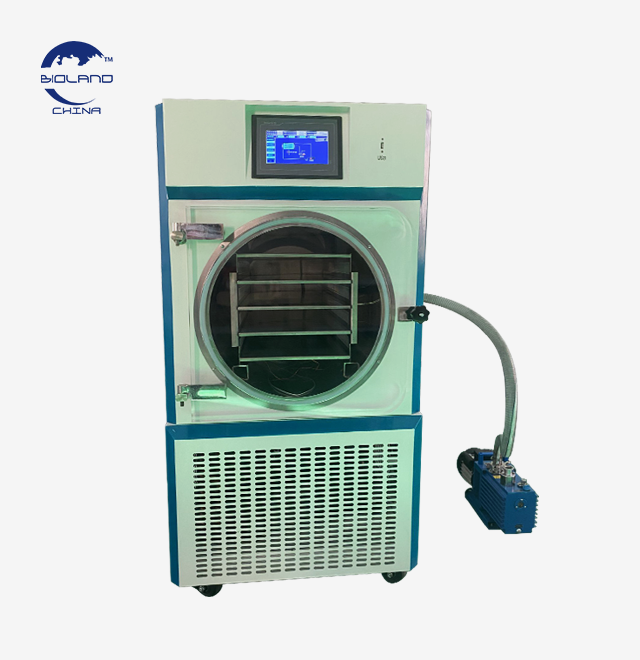
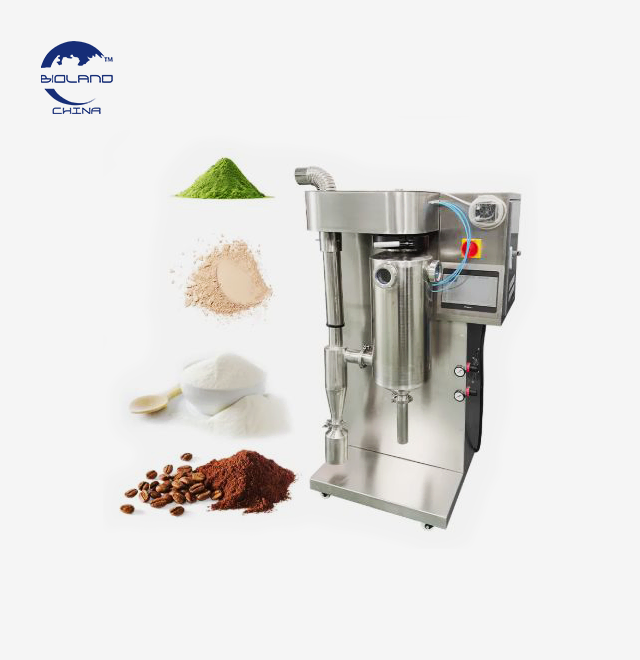
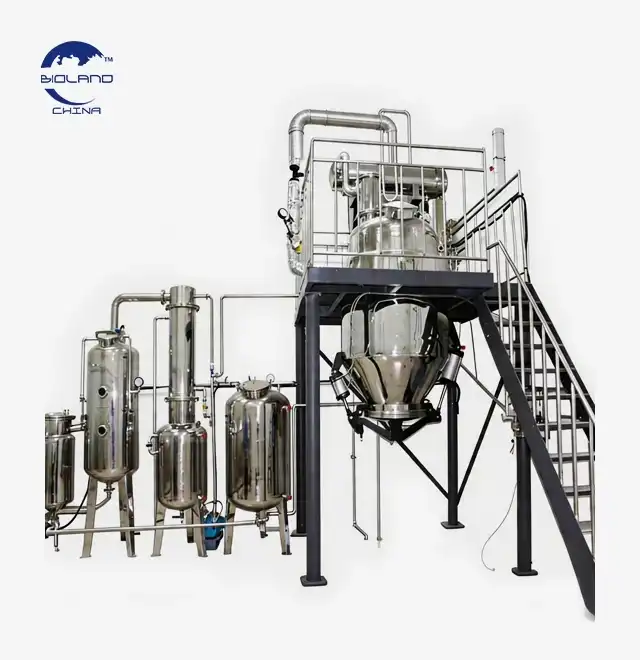
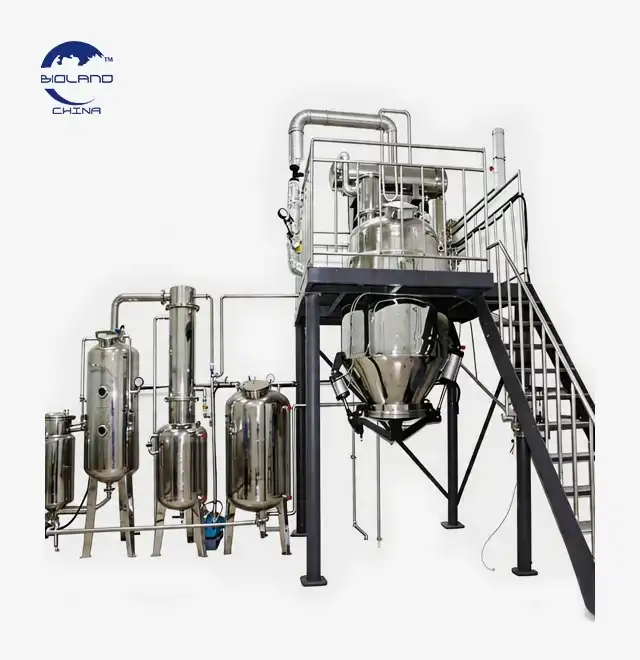
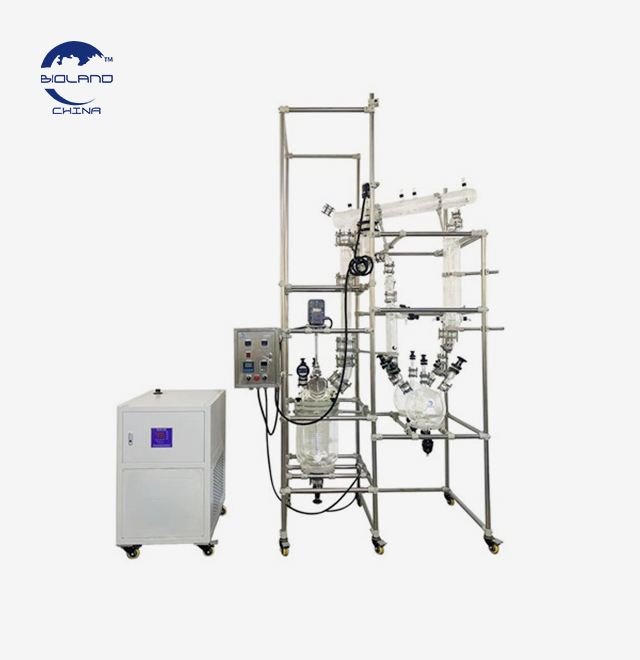
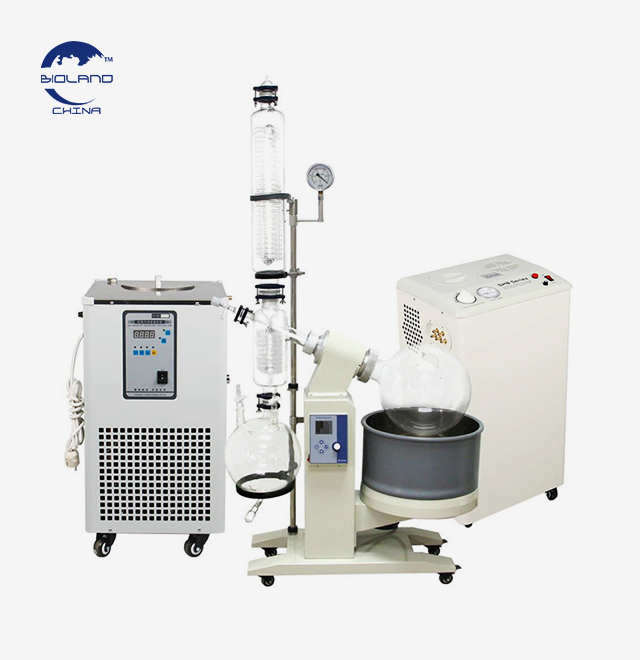
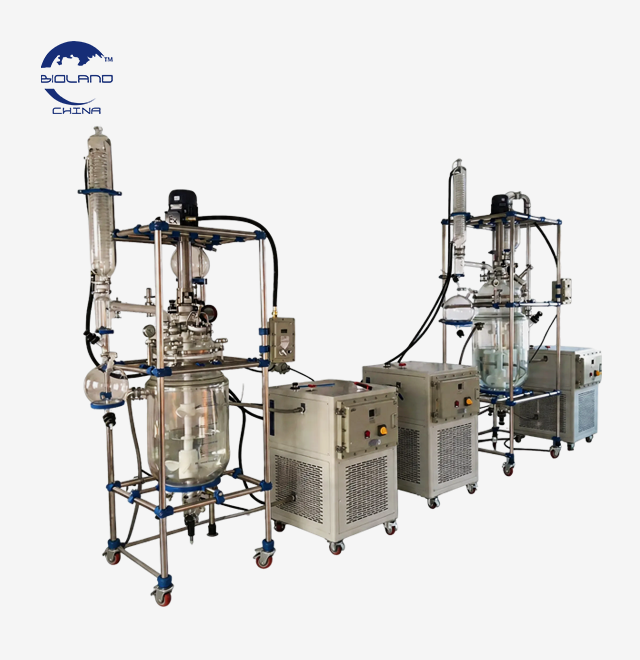
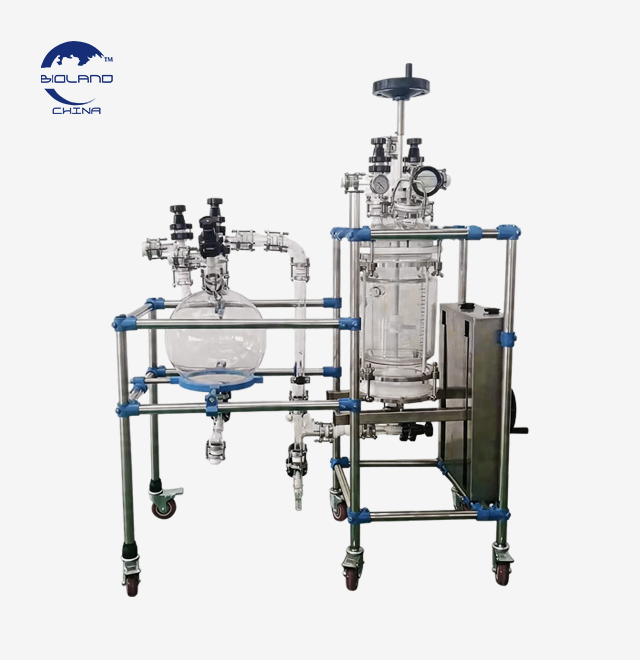
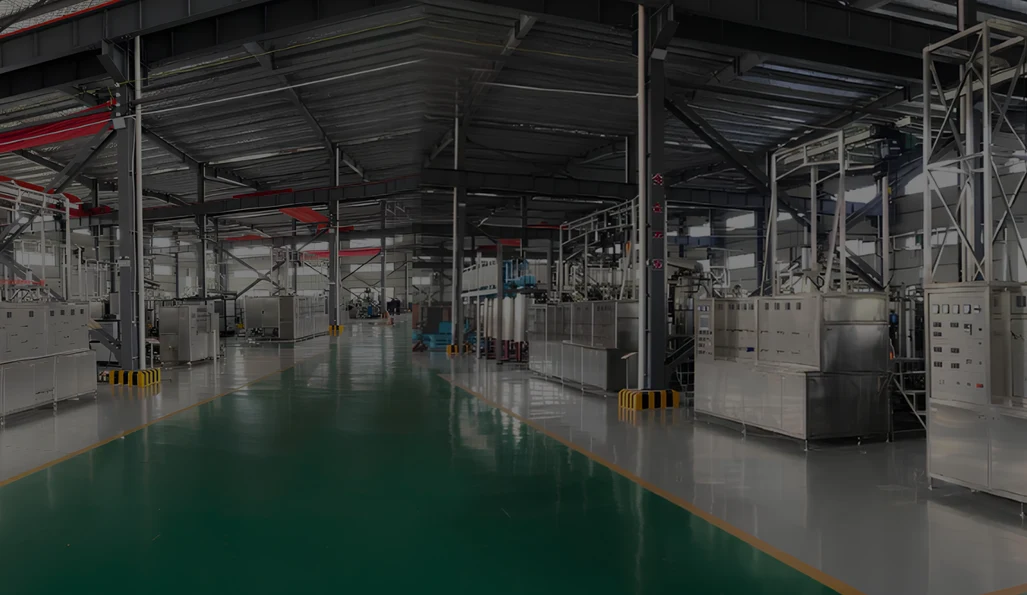
No matter how well abotanical extraction machineseems to be working, the amount of the goal chemical that is extracted can vary from batch to batch. When that happens, extending the time of extraction is not usually the first thing that should be done. It could be because of a change in the raw material, the percentage of the liquid, the loading, the temperature, or the way the yield is measured. These issues are seen as process questions by Xi'an Bioland Instrument Co., Ltd. Its botanical extraction machine solutions can combine ultrasonic extraction with heating, filtration, concentration, and control systems that can be set up in different ways. This lets producers look at changes across the whole line instead of just making changes to one vessel at a time.
You can use the examples below to figure out what's wrong with things like stevia glycosides, tea polyphenols, mushroom polysaccharides, and chili oleoresin. They are real-life examples, not claims of results that have been measured at a certain customer site. Use your own raw materials, analysis method, and output trial to make sure that any suggested change works.
Common Causes of Inconsistent Botanical Extraction Yield
Define “Yield” Before Changing the Recipe
If one shift says the yield is high and the next says it is low, you should first ask what the number means. Is it kilograms of dried extract, mass of a concentrate, or recovery of a certain compound? The total amount of extract that a botanical extraction machine makes may be about the same, but the concentration of steviol glycosides or tea polyphenols may be very different. Those are two different issues that need different solutions.
Record the amount of dry material that comes in, how much active material is in it, how much liquid is recovered, and how much active material is in the extract. A useful recovery formula for a botanical extraction machine compares the amount of the target chemical that was gathered to how much of it is thought to be in the added material. For each batch, use the same way to sample and work in the lab. If not, a problem with the equipment might just be caused by measuring or assaying moisture in different ways.
Trace the Loss Along the Process
Do not think that a low yield of the end product means that the extraction process failed. The chemical of interest might stay in the used plant matter, be kept during filtering, or be lost when liquid is moved from one tank to another. At each handoff, the added material, the extraction liquor, the spent solids, the filtered liquor, and the final concentrate should all be checked on the botanical extraction machine.
Think about a mushroom-polysaccharide line whose finished powder output drops for no apparent reason. By measuring polysaccharides before and after filtration and testing spent solids, you can tell if the extraction was complete or not. If both steps work the same way, look at the records for concentration and drying. Instead of telling Bioland instrument to use more ultrasound power without proof, this step-by-step method lets them talk about the botanical extraction machine along with its filtration, concentration, and drying equipment.
Look for Patterns, Not One-Off Readings
Sort the most recent batches by the operator, the recipe, the temperature at which the ingredients were extracted, and the date they were cleaned. A botanical extraction machine that only gives a lower recovery rate after switching suppliers could be having a problem with its ingredients. A drop that starts after maintenance means that the setup or measurements need to be checked. It is more useful to compare several batches than to react to the one with the lowest score.
Put the target compound recovery against the leaf lot and solvent concentration on a tea-polyphenol line, for example. If the readings all come from the same place, look into the incoming tea. If they group together by shift, look at the records for preparation and operations. Because of this, Bioland instrument can suggest process settings or a botanical extraction machine configuration that are best matched to the source of variation.
How Raw Material Quality Affects Extraction Performance
Control Moisture and Botanical Identity
Chemicals that come from plants are not all the same. What kind of plant it is, how it was stored, and how much water it has can all change the amount of active ingredient per kilogram. If different amounts of stems or roots are added to stevia leaves, a botanical extraction machine may run the same cycle but get a very different feed. Identify and consistently weigh each part of the plant that is asked for.
If a stevia grower compares results based on "as-received weight," they might think that wetter leaves mean the extraction process isn't working as well. Before changing the settings on your tools, measure the wetness and figure out the recovery on a dry base. Then, test each new lot for steviol glycosides. The botanical extraction machine can be set up so that it can load and process materials over and over again, but it can't make different starting materials chemically identical.
Standardize Size Reduction Without Guesswork
How fast a solvent gets to soluble compounds depends on the size of the particles. Large pieces may take longer to remove, and too many fines can make screening harder and change how much liquid stays in the spent material. Before you can optimize a botanical extraction machine, you need to set a practical milling or cutting specification. Make sure that operators follow it from batch to batch.
When making polysaccharides from reishi or shiitake mushrooms, the question that needs to be asked is not just, "Should we grind it finer?" See how the particle sizes, extraction results, filtration times, and amount of liquid left in the solids compare. If a smaller grind makes extraction better but also makes filtering lose more, the final product might not go up. Bioland instrument can test both the botanical extraction machine and the downstream separation to make sure that the preparation method chosen works well with the whole process.
Set Acceptance Rules for Incoming Lots
A short incoming-material standard can save hours of fixing that doesn't need to be done. Specify the type of plant, the parts of the plant that can be used, the range of moisture and particle size, the storage conditions, and, if possible, an assay for the target. When these feed variables are controlled, rather than being found after a weak batch, a botanical extraction machine works most reliably.
Imagine that someone who makes chili oleoresin gets peppers from two different harvests that have different amounts of capsaicin. It might be fine to stick to the same extraction recipe, but comparing only kilograms of oleoresin would hide the difference in the strength of the raw materials. Test typical samples and compare the amount of capsaicin that was recovered to the amount that went into the line. That makes the review of the botanical extraction machine fair and helps the people who buy things figure out which changes at suppliers affect output.
Optimizing Solvent Ratios and Extraction Parameters
Test Solvent-to-Solid Ratio Systematically
It's possible for more fluid to make better touch with plant matter, but more liquid has to be filtered and concentrated. If there isn't enough solvent, the solids might not get wet evenly. To find the right ratio for a botanical extraction machine, you should do controlled tests that measure the recovery of the target compound, the volume of the extract, how it filters, and how much it evaporates later.
When operators start adding more liquid to an extraction tank by eye, the goji-polysaccharide processor might get different results. Instead, use a ratio that is measured based on the amount of dry material and the recorded working volume. Before changing the plan for production, do small tests that are similar. The best setting for a botanical extraction machine is the one that consistently recovers product along the whole line, not just the extraction liquor that looks the darkest.
Match Solvent Composition to the Target
Some compounds can't be taken out of a process with water, ethanol, or other approved solvents in the same way. It matters how much water is in ethanol, even when that word is used. In order to get propolis flavonoids, a plant medicine, or tea polyphenols, a botanical extraction machine needs to have a known liquid standard and a controlled fill volume. Before it is used again, the restored solvent's makeup should be checked for changes.
Let's say that someone who works with propolis notices that batches made with new ethanol behave differently than batches made with solvent that has been recovered. Before changing the extraction time, check the makeup of the liquid and compare the target chemical tests. Bioland instrument can set up the botanical extraction machine with the right parts for extraction, condensation, and solvent handling, while the manufacturer sets up an approved standard for safe operation and recycled solvent use.
Optimize Ultrasound With a Defined Endpoint
Ultrasound can help move mass by breaking up or deforming plant tissue, but the best setting relies on the material, the liquid, the load, and the shape of the equipment. Bioland instrument says that suitable ultrasonic extraction processes take about 24 to 40 minutes. Don't take that number as a given; use it as a starting point for your tests. A botanical extraction machine should be judged by how well it recovers over time.
If you want to use leaves or buds for an ultrasound-assisted quercetin project, you should take samples at set times while keeping all other factors the same. Use a proven method to measure quercetin or a known precursor, like rutin. If healing stops growing in a useful way, making the run last longer doesn't help much. This proof helps describe the settings for the botanical extraction machine and gives workers a clear goal to aim for.
Checking Temperature, Pressure, and Extraction Time
Verify the Temperature the Material Experiences
The temperature of the plant-solvent mixture is not always the same as the setpoint that is shown. Check the temperature response, mixing, recorded process trend, and that the sensors are properly calibrated. Bioland instrument says that the best temperature range for ultrasonic extraction for some plants is between 40°C and 60°C, but the best temperature still depends on the ingredient. The tested conditions should stay the same from batch to batch in a botanical extraction machine.
A company that makes natural pigments from materials high in anthocyanins might put color quality and recovered mass at the top of their list of priorities. If batches are different, look at their actual temperature histories before turning up the heat. The botanical extraction machine can be set up with the right heaters and settings for the job, but the user must also say where the temperature is recorded and what kind of change needs to be dealt with.
Separate Extraction Conditions From Vacuum Concentration
When different steps are talked about at the same time, pressure readings can be wrong. The extraction step can happen in atmospheric, reduced, or other conditions, and the next step, concentration, can use a vacuum to get rid of the solvent. Bioland instrument says that the total pressure for the extraction–concentration models it uses is about 0.085 MPa. That number shouldn't be taken as the extraction pressure that must be used for every botanical extraction machine job.
There is a chance that the final polyphenol recovery on a tea line will be low during extraction, transfer, or concentration. Take a sample of the liquor before it goes into the evaporator, and then use a mass balance to compare it to the concentrate. If the amount of chemical in the first sample was already low, you need to fix the extraction problem. If not, look at the stage below. The botanical extraction machine can only be changed to work on the right side of the line because of this difference.
Use Time Profiles Instead of Longer Cycles by Habit
It's not always true that longer processing makes the extract more useful. To find a cycle that can happen again and again, take samples at set times and compare the total target recovery with the time and resources used. A botanical extraction machine might reach its useful goal a long time before its users expect it to, or they might need more time because of changes in loading or material preparation.
A company that makes tinctures could test samples at 20, 30, and 40 minutes under otherwise the same conditions. They could then compare the amount of active compound recovered and the differences between batches. Write that point in the operating procedure if the results stop going up or down. If they stay spread out, look into the sample, the liquid, and the raw material before stretching each run. Then, Bioland instrument's botanical extraction machine can be customized based on a known recipe instead of an assumed cycle length.
Improving Yield Consistency Through Process Monitoring
Record the Few Variables That Explain Variation
Not only does a useful batch record not need to be hard to understand, but it also needs to include the recovery variables. Make a note of the material lot and its moisture level, as well as the dry loading mass, solvent composition and volume, temperature profile, extraction time, filtrate volume, and assay result. For a botanical extraction machine, keep notes of when the instruments were calibrated and cleaned so that a strange batch can be put back together again.
It's possible for Bioland instrument to set up configurations with PLC controls, online concentration monitoring, automatic discharge, and cleaning-in-place options. These features can help you get certain numbers more easily, but they can't take the place of a clear sample plan. Before choosing the automation package for a botanical extraction machine on a line with more than one product, you need to tell the controls what variables they need to show, record, or sound an alarm for.
Create Action Limits Operators Can Use
Once you have enough representative batches, you can figure out the average recovery and look at how far it spreads. You can compare how consistent different trials are by dividing the standard deviation by the mean and showing the result as a percentage. Don't decide on a single number that is good for everyone without taking the product and test accuracy into account. Instead, a plan for fixing problems with a botanical extraction machine should list the most practical steps that can be taken for that process.
If the amount of tea-polyphenol recovered is less than what is allowed, the operator could check the leaf lot, the amount of ethanol or water used, the temperature, and the total time of extraction before releasing the batch. Since it's written down, there aren't any last-minute changes that could hide the cause. Bioland instrument can help set up the botanical extraction machine and other necessary tools based on these guidelines, but the customer must agree to the quality standards and testing methods.
Confirm the Fix Before Scaling It Up
Change one principal variable at a time during troubleshooting, then repeat the proposed recipe across several batches. Where possible, use the same raw-material lot for initial comparisons and a second lot to check robustness. A botanical extraction machine that performs well in one demonstration still needs confirmation under the buyer’s routine loading, cleaning, and staffing conditions.
Bioland instrument cites applications including stevia, tea-polyphenol, chili, mushroom-polysaccharide, and natural-pigment production lines. For a new project, request trials or an agreed acceptance protocol with measured inputs and outputs rather than assuming those applications predict your yield. Bioland instrument’s OEM/ODM engineering, extraction-to-drying equipment portfolio, and factory acceptance test option can help turn the botanical extraction machine purchase into a documented process solution.
Conclusion
Inconsistent yield is a measurement and process-control problem before it is an equipment problem. Define the target compound and recovery calculation, then check the raw material, solvent, extraction conditions, and losses after extraction. Follow samples through the line so each adjustment addresses a demonstrated cause. Bioland instrument’s botanical extraction machine options—including ultrasonic extraction and configurable controls—can support repeatable operation when paired with a tested recipe and suitable filtration and concentration equipment. Whether the product is stevia glycosides, mushroom polysaccharides, or tea polyphenols, ask for a proposal based on your feed samples, assay results, and required output. Confirm the proposed settings through repeat trials before making them standard production practice.
FAQ
Q: What should I check first when yield drops?
A: Confirm the yield calculation, incoming material lot, and target-compound assay before changing settings.
Q: Will longer ultrasonic extraction always improve recovery?
A: No. Sample at planned intervals to establish a useful endpoint.
Q: Can recovered ethanol change results?
A: Yes. Check its composition against your approved solvent specification before reuse.
Q: How do I identify losses after extraction?
A: Compare target-compound mass in the extraction liquor, filtered liquor, and finished product.
Q: Can Bioland customize a botanical extraction machine?
A: Yes. Share your material, solvent, batch size, and process requirements for an OEM/ODM discussion.
Bring Bioland Instrument Your Hardest Yield Question
Are batches from the same line giving different results, or is an apparently successful extraction failing to deliver enough finished product? Send Bioland Instrument your botanical specification, solvent recipe, batch records, and available assay data. With more than 15 years in process equipment, an in-house technical team, and capabilities spanning extraction, filtration, concentration, and drying, Bioland instrument can help identify what to test before you invest in a solution. Ask about a customized botanical extraction machine, model-specific documentation, and a factory acceptance test with agreed checkpoints. Bioland also offers production-progress updates, a stated one-year quality warranty, and lifetime maintenance support. Start a practical conversation about repeatable yield at info@biolandequip.com.
2. Azmir, J., et al. “Techniques for Extraction of Bioactive Compounds from Plant Materials: A Review.” Journal of Food Engineering, vol. 117, no. 4, 2013, pp. 426–436.
3. Chemat, F., et al. “Ultrasound Assisted Extraction of Food and Natural Products: Mechanisms, Techniques, Combinations, Protocols and Applications. A Review.” Ultrasonics Sonochemistry, vol. 34, 2017, pp. 540–560.
4. Dai, J., and Mumper, R. J. “Plant Phenolics: Extraction, Analysis and Their Antioxidant and Anticancer Properties.” Molecules, vol. 15, no. 10, 2010, pp. 7313–7352.
5. Vinatoru, M. “An Overview of the Ultrasonically Assisted Extraction of Bioactive Principles from Herbs.” Ultrasonics Sonochemistry, vol. 8, no. 3, 2001, pp. 303–313.
6. International Organization for Standardization. ISO/IEC 17025:2017: General Requirements for the Competence of Testing and Calibration Laboratories.
The reactor is beautifully mirror-polished and fully complies with GMP requirements for the pharmaceutical industry. The performance is excellent! Overall, we are very satisfied! We also provided with some feedback on our process improvements, which we hope will be helpful.
2024-04-09
Laboratory
Excellent and professional service. Always reply our questions very fast. All reactors and chiller we received are good too.
2024-02-15
Research Institute
Quality is beyond our expectation actually. After we got the extraction equipment and started using it, the performance was beyond our expectation. Very easy to use and very efficient to run. Service always respond us very quickly. Was also very helpful to help us. Thanks Bioland team. Very happy to work with you.
2023-11-20
Biotech Company
We are happy about the new purchase as always. Equipment and services are both good.
2023-08-05
Instrument Lab
This is the second order with Bioland instrument and everything is good as the first dateText.
2023-05-12
Global Trading Partner
Bioland instrument team is very helpful and professional. The sales helped us select the right equipment for our application, and their logistics people handled the transportation and customs declaration for our shipment. All that saved us a lot of work.