Perfume Extraction Equipment: Steam vs. Solvent Methods
Oct 30, 2026
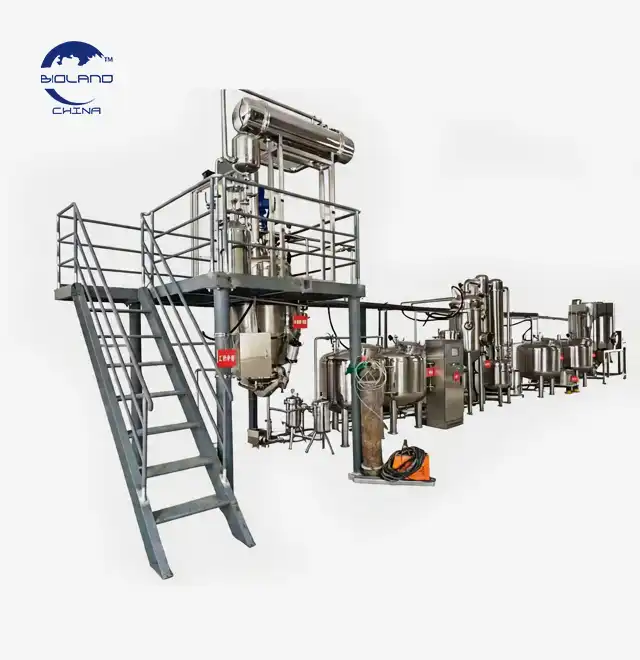
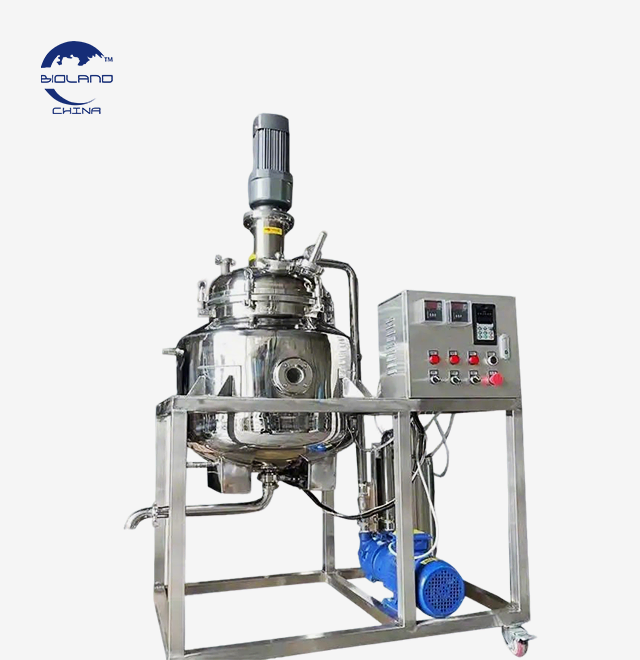
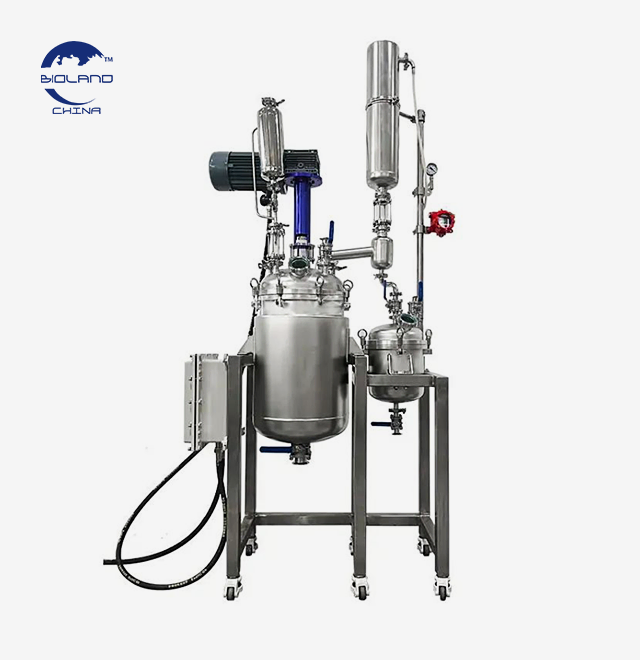
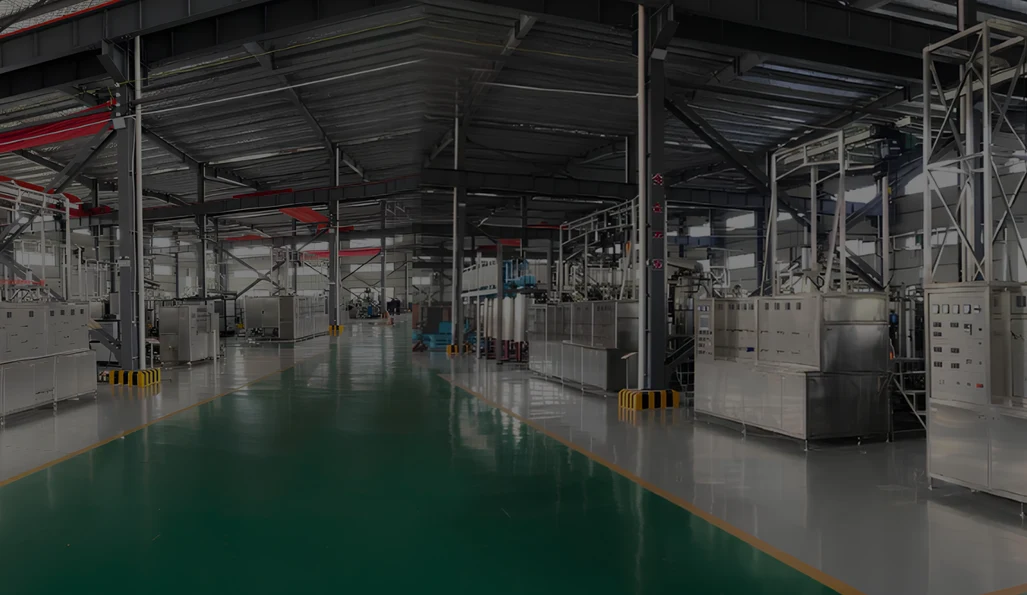
The single most important thing a fragrance maker has to do is pick the right perfume extraction equipment. This is because the extraction method directly affects the quality of the scent, the amount of fragrance made, and the cost of production. We at Xi'an Bioland Instrument Co., Ltd. have been designing perfume extraction equipment for more than 15 years. Our equipment can be used for both solvent-based and steam distillation processes. Intelligent dynamic temperature control (within 0.5°C of accuracy), high-borosilicate glass condensers and oil-water separators allow for full visual monitoring, and GMP-compliant stainless steel construction is used for all of our systems, from 50L lab units to 2000L production lines. When you work with lavender, rose, citrus peel, or delicate jasmine, our perfume extraction equipment is designed to keep heat-sensitive aromatic compounds safe while getting the most oil out of the plant. Bioland sells more than just machines. They offer full fragrance extraction solutions with CE and ISO certification, OEM/ODM customization, and factory-direct pricing.
How Steam Distillation Extracts Fragrance Compounds
The Working Principle Behind Steam-Based Perfume Extraction Equipment
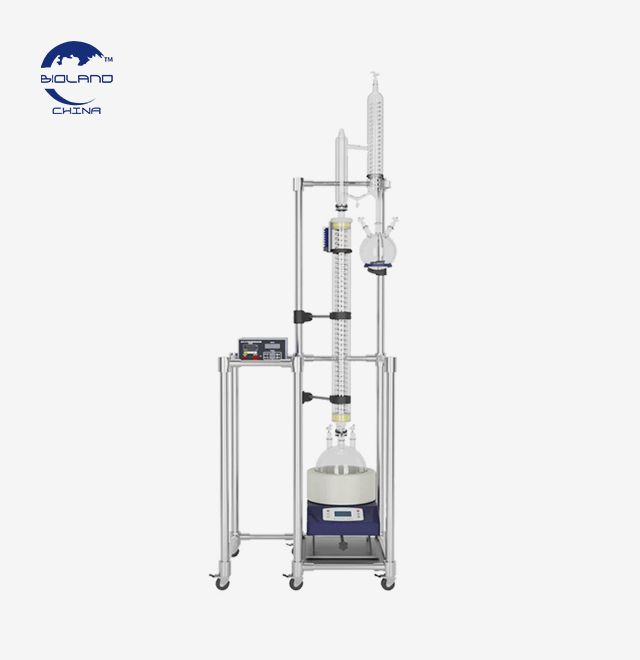
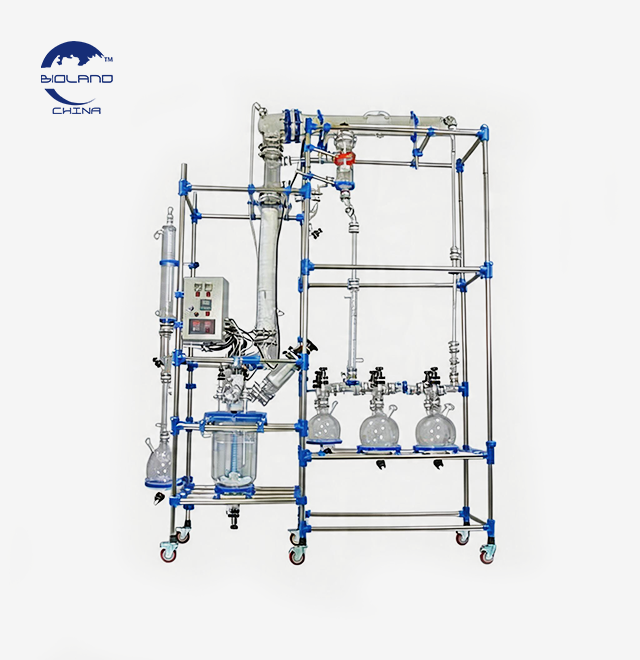
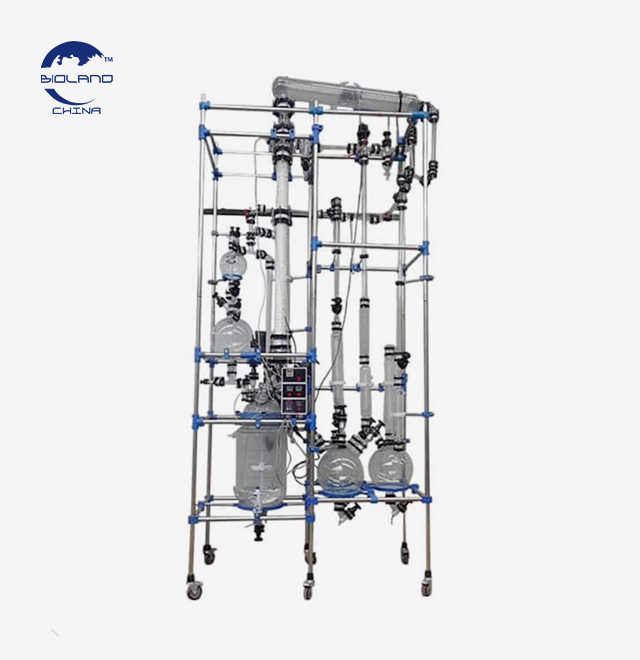
Steam distillation is still the main method used in the fragrance business. Knowing how it works will help you choose the right setup for your perfume extraction equipment. The system has a heater, a refrigerator, an oil-water filter, an extraction tank, and a storage box. The extraction vessel is filled with water and plant parts like flowers, leaves, roots, or fruit peel. Flammable fragrant molecules are released from plant cells as the heater raises the temperature. Rising steam carries these molecules upward. The vapor mixture goes through the condenser, where it cools down and turns back into a liquid. It then flows into the separator, where the essential oil floats on top of the hydrosol layer. Bioland instrument's perfume extraction equipment can do three common extraction methods without having to change any of the hardware: hydro-distillation, water-steam (separated) distillation, and direct steam injection.
Why Temperature Precision Protects Your Fragrance Profile
When temperatures change quickly, compounds that are sensitive to heat, like linalool and eucalyptol, start to break down. That's why Bioland instrument builds intelligent dynamic temperature control into all of their perfume extraction equipment. The system can control temperatures from room temperature to 100°C with an accuracy of ±0.5°C. It also protects against low liquid levels and lets you set different temperatures for each zone. This means that your rose oil doesn't get the "cooked" taste that happens with basic distillation stills, but instead keeps all of its complex top notes. You can choose from gas direct heating, an electric jacket with thermal oil, or industrial steam for heating, depending on the utilities in your building and the size of your production.
A Lavender Producer's Story: Solving Low Yield at 500L Scale
A group of lavender farmers came to us upset because their old distillation pot didn't give them steady oil and got stuck at the outlet port after every batch. With our multi-layer built-in distillation basket and top-opening lid design, we sent them a 500L BL-JT-500 steam-heated perfume extraction equipment system.
It used to take 90 minutes to load materials and clean up residue, but now it only takes 25 minutes. The water-drop condenser sped up the cooling of the vapor, which increased the amount of oil recovered per batch by a large amount. During the first production season, the client said that batches were turned over faster and the lavender oil was better and easier to sell.
Visual Separation: Seeing Your Oil in Real Time
Operators always want to know how to tell when separation is complete. This is what Bioland instrument does: they use high-borosilicate glass for the condensers and oil-water separators (it's heat-resistant and long-lasting), multi-tube structures with a diameter of less than 20 mm, illuminated sight glasses, and liquid-level viewing windows to show the whole process. The floating layer of essential oils can be seen in real time, which makes collection more accurate and takes away the need to guess. Many of our clients who use our perfume extraction equipment every day have reported less product loss just because of this design feature.
Solvent Extraction for Delicate Aromatic Materials
When Steam Is Too Harsh: The Case for Solvent Methods
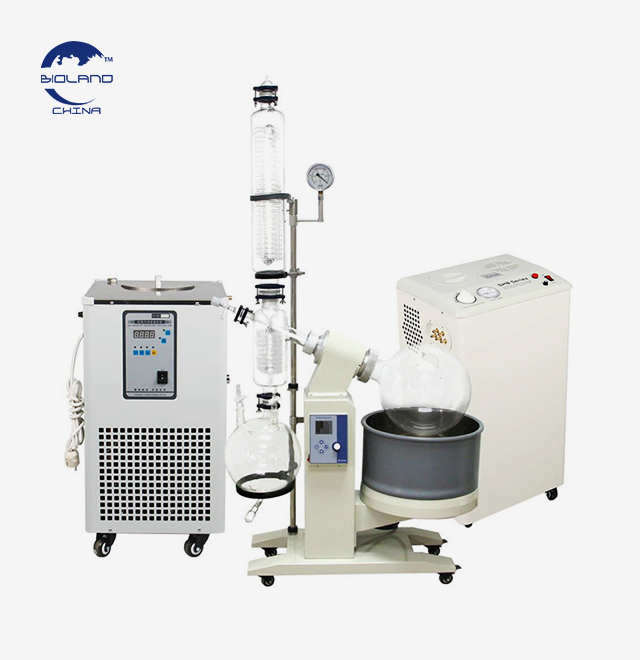
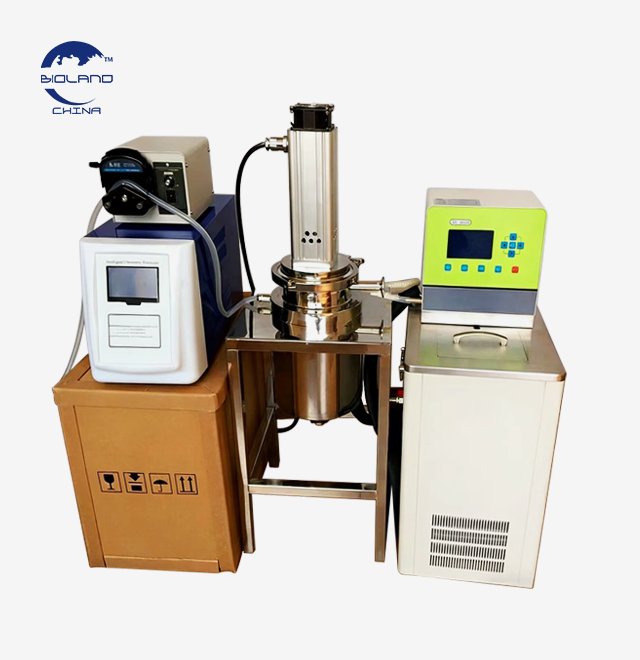
Some plants, like jasmine, tuberose, mimosa, and many resins, have scent molecules that are destroyed by steam or just won't move with water vapor. Professional solvent-based perfume extraction equipment is the best way to deal with these materials. Ultrasonic-assisted extraction, supercritical CO₂ extraction, and ethanol extraction all work at low or room temperature to dissolve fragrant molecules fully and softly. Bioland instrument makes all of the solvent-side equipment, including ethanol extraction machines, ultrasonic plant extraction machines, extraction-concentration units, and supercritical fluid extraction equipment. This gives fragrance houses all the low-temperature tools they need in addition to traditional distilling.
How Ultrasonic and CO₂ Technology Upgrades Traditional Extraction
Ultrasonic-assisted extraction uses cavitation to break down plant cell walls, releasing aromatics in a lot less time than traditional maceration—often by 50% or more when the temperature is below 60°C. Supercritical CO₂ extraction goes even further. It uses pressurized carbon dioxide as a solvent that doesn't leave any residue. This makes extracts that are highly valued by natural cosmetics brands and high-end perfumers. Both technologies work well with Bioland instrument's perfume extraction equipment. Our engineering team helps clients choose the best combination based on target compounds, throughput, and regulatory needs like GMP and FDA compliance.
Case Study: A Cosmetics Brand's Jasmine Absolute Problem
A natural products brand from Southeast Asia had a hard time with jasmine. Steam distillation gave them almost nothing, and absolutes they bought from other companies were expensive and didn't always work right. Our engineers came up with a vacuum recovery unit and an ethanol extraction and concentration unit.
They were able to make jasmine concrete and absolute in-house at controlled low temperatures, which kept the flowery, indole-rich flavor. Operating costs were kept in check by solvent recovery above 95%. They can now run three more botanicals on the same platform as the perfume extraction equipment. This means that they can use the same purchase for more than one product.
Safety and Compliance in Solvent Operations
Getting rid of solvents needs careful engineering, which is why it's important to buy from a certified manufacturer. Bioland instrument's solvent-compatible perfume extraction equipment has electrical options that won't blow up, closed-loop solvent recovery, pressure relief systems, and transfer lines that are sealed. All of the equipment meets GMP/FDA guidelines and is certified by CE and ISO. Because a solution provider's job doesn't end when the solution is delivered, we also give operator training materials that cover safe solvent handling, grounding procedures, and maintenance schedules.
Key Differences in Aroma Quality and Extract Yield
Aroma Character: Bright Distillates vs. Full-Spectrum Extracts
Because only molecules that can move with steam make it through the condenser, steam-distilled oils tend to be bright, clean, and volatile. Solvent extracts can pick up a wider range of molecules, such as waxes, pigments, and heavier fixatives. This makes the fragrance profiles richer and last longer. Neither is "better" in every situation; the right perfume extraction equipment relies on how you want to market your product. For depth, fine fragrance houses often want solvent absolutes; aromatherapy and food-grade companies usually need purity that has been steam-distilled. Bioland's platforms are multi-process-compatible, which means that one facility can make both. This is why research schools and medium-sized companies are using our systems more and more.
Yield Numbers That Drive Equipment Selection
Profitability is based on yield figures. If you steam distilll rose petals, you might get only 0.02% to 0.05% oil, but 0.2 to 0.3% solvent concrete, which is about ten times more material that can be used again. Lavender steam distills well, giving a yield of 1% to 3%. This makes distillation the most cost-effective method. Mechanical and steam ways work best for citrus peel. Before suggesting perfume extraction equipment to a customer, our application engineers do these sums with them to make sure that the capital investment meets the costs of the raw materials. This way, we don't just sell one machine that works for everyone.
Case Study: A University Lab Needing Both Methods
The university's natural products research department needed to compare how to extract dozens of plants, but they could only afford one system. We set up a 50L BL-JT-50 perfume extraction equipment unit with wireless remote control, an LCD screen, and an extra ultrasonic extraction module.
Ultrasonic solvent extraction and steam distillation can now both be done on the same bench. The ±0.5°C temperature control made it possible to reproduce results that were good enough for publication, and the visual glass separator made it easier for students to learn. Since then, the department has bought a second unit for its pharmacognosy program.
How Equipment Design Directly Lifts Yield
Details about the hardware lead to measurable gains in yield. Bioland instrument's water-drop and short-path reflux condensers cool vapor more quickly, which lowers the loss of aromatics to the air. The multiple-layer internal distillation basket makes it easier for steam to get through dense plant matter, removing oil that regular stills leave behind in dead zones. All of these design features work together to increase the amount of oil collected while lowering the cost of energy and labor. These benefits add up over hundreds of production batches of your perfume extraction equipment.
Comparing Extraction Efficiency and Operating Costs
Capital Investment: What Different Scales Actually Cost
Bioland instrument has seven basic types of perfume extraction equipment: 50L, 100L, 200L, 300L, 500L, 1000L, and 2000L. The cooling areas range from 1m² to 15m², and the separate amounts range from 15L to 70L. Electricity or steam can heat units up to 300L. For large-scale economy, units 500L and up use industrial steam. Bioland instrument is a factory-direct manufacturer, so customers don't have to pay the extra fees that distributors add on top of the price. Our goal is to provide high-quality equipment at the lowest price. It takes 5–7 days to ship machines that aren't customized, but 30 business days to finish a customized production line.
Parameter
Type
Volumn (L)
Heating Method
Cooling Area
Separator Volumn
BL-JT-50
50
Electricity or Steam
1
15
BL-JT-100
100
1.5
15
BL-JT-200
200
2
20
BL-JT-300
300
3
25
BL-JT-500
500
Steam
4
35
BL-JT-1000
1000
8
50
BL-JT-2000
2000
15
70
Energy, Labor, and Consumables: The Hidden Cost Drivers
When comparing operating costs, well-designed systems tend to do better. The main costs of steam distillation are water and energy. Solvent extraction costs more because you have to buy and collect the solvent. Bioland instrument lowers both: our efficient condensers use less cooling water, our intelligent temperature control stops energy waste from going too high, and our closed-loop solvent recovery on our extraction-concentration units recovers over 95% of the ethanol. With the top-opening basket design, less work needs to be done for each batch. Customers always say that new perfume extraction equipment pays for itself in lower costs for utilities and labor within the first one to two production seasons.
Case Study: Lemongrass Line Cutting Cost per Kilogram
A lemongrass oil exporter was losing margin to high fuel consumption and slow batch cycles on aging equipment. We delivered a 1000L lemongrass essential oil production line built around our BL-JT-1000 perfume extraction equipmentwith steam heating and 8m² condensing area.
Batch cycle time dropped significantly, and steam consumption per kilogram of oil fell measurably thanks to the optimized condenser geometry. During fabrication, our dedicated specialist sent weekly photo and video progress updates, and the client completed a Factory Acceptance Test before shipment—arriving with total confidence in the system.
After-Sales Support That Protects Your Investment
Downtime is the most expensive cost of all. Every Bioland instrument perfume extraction equipment purchase includes a one-year quality warranty with lifetime maintenance support. Our professional team monitors production weekly with photo or video updates, provides detailed inspection media before shipment, and supports FAT at our facility. Post-delivery, our engineers remain available for commissioning guidance, troubleshooting, and spare-parts supply—support that keeps your extraction line running season after season.
Which Method Suits Different Fragrance Raw Materials?
Matching Botanicals to the Right Extraction Process
Raw material dictates method. Steam distillation suits oil-rich, heat-tolerant materials: lavender, rosemary, mint, thyme, mugwort, star anise, Sichuan pepper, ginger, clove, and agarwood. Solvent and CO₂ extraction suit delicate florals (jasmine, osmanthus, wintersweet), resins, and heat-sensitive compounds. Citrus oils from lemon and passion fruit respond well to steam and mechanical methods. Bioland instrument's perfume extraction equipment handles plant fruits, flowers, leaves, roots, grasses, and even animal-derived aromatic lipids through water-separated distillation—covering virtually the entire natural fragrance palette on configurable platforms.
Decision Framework: Four Questions Before You Buy
Before recommending any perfume extraction equipment, our engineers ask four questions. First, what is your target compound's thermal stability? Second, what yield percentage does your raw material realistically offer per method? Third, what certifications must your end product meet—food-grade, cosmetic, or pharmaceutical GMP? Fourth, what is your batch size and annual throughput? The answers determine whether you need a 100L electric-heated distiller, a 2000L steam production line, an ultrasonic extraction-concentration unit, or a hybrid installation. This consultative approach is why clients treat Bioland as a process-solution partner, not just an equipment vendor.
Case Study: A Botanical Brand Running Multiple Raw Materials
A natural-products company processed rose, calendula, and ginger but owned three incompatible machines from different suppliers, creating maintenance chaos. Bioland instrument consolidated everything into one modular perfume extraction equipment installation: a 300L distiller with dual heating modes plus a shared condensing and separation train.
Changeover between botanicals now takes under an hour thanks to the top-opening, easy-clean basket design. Maintenance is handled through a single supplier relationship, and the GMP-compliant compact footprint freed up 40% of their previous floor space for packaging operations.
Customization: When Standard Models Aren't Enough
No two fragrance operations are identical, which is why Bioland actively welcomes OEM and ODM orders. Our in-house R&D team—senior engineers with years of process experience—customizes vessel volumes, heating methods, control systems (digital display or dynamic touchscreen), separator configurations, and complete production-line layouts. Clients in Europe and Southeast Asia have received tailored perfume extraction equipment solutions ranging from mobile pilot stills to fully automated GMP extraction suites, each engineered around the client's raw material, facility, and regulatory environment.
Conclusion
Steam distillation and solvent extraction are complementary, not competing, technologies—steam delivers clean, bright oils from robust botanicals, while solvent methods rescue the delicate aromatics heat would destroy. The smartest investment is perfume extraction equipment engineered for flexibility: precise ±0.5°C temperature control, visual glass separation, multi-mode distillation capability, and GMP-compliant construction. Xi'an Bioland Instrument Co., Ltd. delivers exactly this, backed by 15+ years of engineering experience, CE and ISO certification, factory-direct pricing, and proven installations from 50L research units to 1000L lemongrass production lines. With weekly production updates, FAT options, one-year warranty, and lifetime maintenance, Bioland transforms equipment purchases into complete, de-risked fragrance extraction solutions for producers worldwide.
FAQs
Q1: What sizes of perfume extraction equipment does Bioland offer?
Seven standard models from 50L to 2000L, with cooling areas of 1–15m² and separator volumes of 15–70L. Custom sizes are available via OEM/ODM.
Q2: Can one machine handle both hydro-distillation and steam distillation?
Yes. Bioland systems support hydro-distillation, water-steam separated distillation, and atmospheric extraction on one platform.
Q3: How does the equipment protect heat-sensitive compounds?
Intelligent temperature control with ±0.5°C precision, dual-zone regulation, and low-liquid-level protection prevents thermal degradation.
Q4: What is the delivery time?
Standard models ship in 5–7 days; customized production lines take approximately 30 business days.
Q5: What after-sales support is included?
One-year warranty, lifetime maintenance, weekly production photo/video updates, pre-shipment inspection media, and optional Factory Acceptance Testing.
Ready to Solve Your Fragrance Extraction Challenges? Partner with Bioland Instrument Today
Stop losing yield, aroma quality, and production hours to outdated extraction methods. Bioland Instrument has spent more than 15 years helping fragrance producers, pharmaceutical companies, and research institutions worldwide turn extraction problems into profitable processes. From 50L laboratory distillers to complete 1000L essential oil production lines, our CE- and ISO-certified perfume extraction equipment is built to GMP standards, priced factory-direct, and fully customizable through OEM/ODM services. You'll receive weekly production updates with photos and videos, optional Factory Acceptance Testing, a one-year warranty, and lifetime maintenance support. Tell us your raw material, your target yield, and your toughest process challenge—our engineering team will design the solution. Contact us today at info@biolandequip.com for a free consultation and customized quotation.
References
1. Baser, K. H. C., & Buchbauer, G. (2020). Handbook of Essential Oils: Science, Technology, and Applications (3rd ed.). CRC Press.
2. Chemat, F., Abert Vian, M., & Cravotto, G. (2012). Green extraction of natural products: Concept and principles. International Journal of Molecular Sciences, 13(7), 8615–8627.
3. Reverchon, E., & De Marco, I. (2006). Supercritical fluid extraction and fractionation of natural matter. The Journal of Supercritical Fluids, 38(2), 146–166.
4. Rassem, H. H. A., Nour, A. H., & Yunus, R. M. (2016). Techniques for extraction of essential oils from plants: A review. Australian Journal of Basic and Applied Sciences, 10(16), 117–127.
5. Sell, C. S. (2006). The Chemistry of Fragrances: From Perfumer to Consumer (2nd ed.). Royal Society of Chemistry.
6. Tongnuanchan, P., & Benjakul, S. (2014). Essential oils: Extraction, bioactivities, and their uses for food preservation. Journal of Food Science, 79(7), R1231–R1249.
The reactor is beautifully mirror-polished and fully complies with GMP requirements for the pharmaceutical industry. The performance is excellent! Overall, we are very satisfied! We also provided with some feedback on our process improvements, which we hope will be helpful.
2024-04-09
Laboratory
Excellent and professional service. Always reply our questions very fast. All reactors and chiller we received are good too.
2024-02-15
Research Institute
Quality is beyond our expectation actually. After we got the extraction equipment and started using it, the performance was beyond our expectation. Very easy to use and very efficient to run. Service always respond us very quickly. Was also very helpful to help us. Thanks Bioland team. Very happy to work with you.
2023-11-20
Biotech Company
We are happy about the new purchase as always. Equipment and services are both good.
2023-08-05
Instrument Lab
This is the second order with Bioland instrument and everything is good as the first dateText.
2023-05-12
Global Trading Partner
Bioland instrument team is very helpful and professional. The sales helped us select the right equipment for our application, and their logistics people handled the transportation and customs declaration for our shipment. All that saved us a lot of work.