High Purity Stevia Extraction Machine: Core Process & Technical Guide
Oct 28, 2026
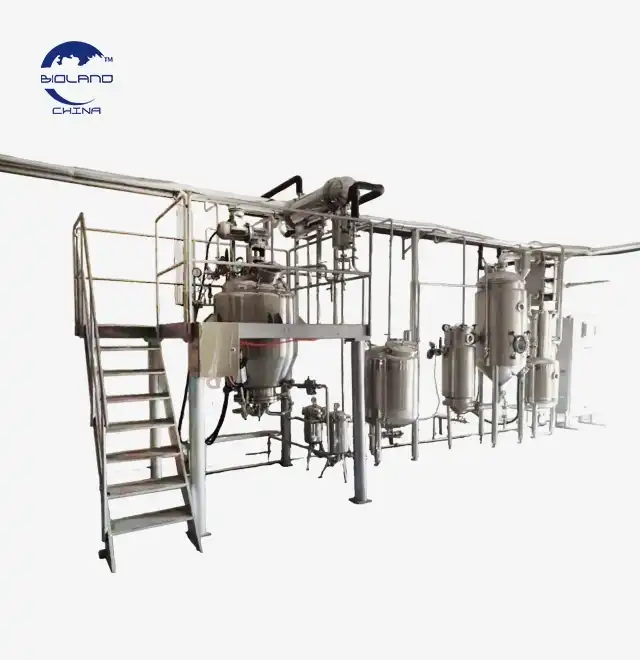
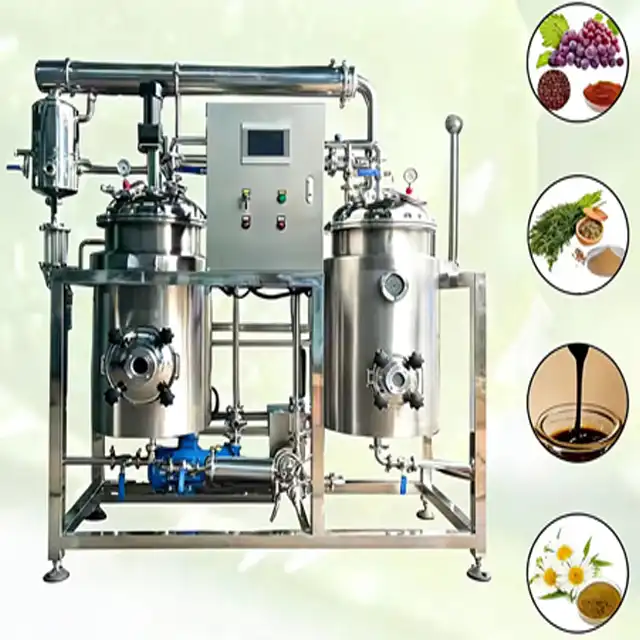
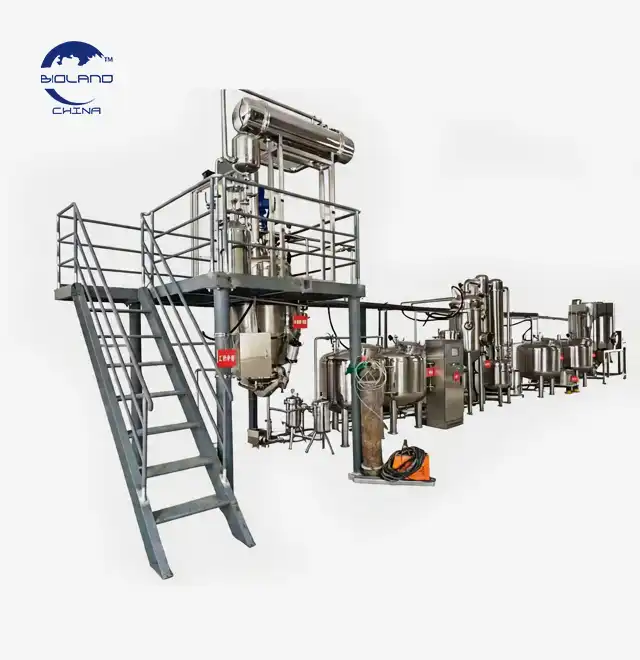
It's not enough to just pull sugar out of leaves anymore; you have to control every step, from pretreatment to drying, in order to make high-purity steviol glycosides. This book talks about the main steps and technical details of the process. It also shows how the stevia extraction machine from Xi'an Bioland Instrument Co.,Ltd. makes each step more predictable. Our stevia extraction machine uses ultrasonic cavitation to increase recovery by 50–500% compared to traditional methods. It can finish extraction in 24–40 minutes at 40–60 °C, is made from SUS304/316L stainless steel, has PLC control, is cleaned with CIP, and is designed to meet GMP standards. It gives manufacturers a reliable way to get stable, high-purity results. It comes with CE and ISO certification, OEM/ODM support, and a reasonable price.
How Does Stevia Leaf Pretreatment Affect Extraction Purity?
Why Poor Leaf Preparation Quietly Drains Purity and Profit
A lot of people who work with stevia say the same thing: the extraction step looks good on paper, but the purity of the glycoside changes from batch to batch. The cause almost always starts upstream. Unwanted compounds are carried into the liquor by leaves with uneven moisture, dust, soil, or chlorophyll-heavy fragments. Each extra impurity increases the filtration load, resin fouling, and work that needs to be done later. For the best results, use a well-designed stevia extraction machine along with clean preparation. This is because ultrasonic cavitation effectively releases target glycosides while leaving behind most of the bulky plant matrix.
Case: A Southeast Asian Processor Stabilizes Batch Purity
Stevia leaves with different amounts of water (6–14%) and different sized particles were being processed at a plant in Southeast Asia. Their old tank had to be soaked in hot water for three hours at 90 °C because they didn't have a current stevia extraction machine. The total glycoside content in the crude extract changed by almost 12% between runs, which meant they had to do a lot of work over and over again.
Our engineers set a moisture range of 8–10%, ground the leaves into a smooth mesh, and set up a BL-TN-C200L stevia extraction machine. The machine ran ultrasonic extraction at 50 °C for 35 minutes. The client now does two runs per shift instead of one, and batch variation dropped to less than 3%. Extraction time also dropped by about 80%.
Drying, Milling and Moisture Control Before Extraction
Instead of being a vague step in getting ready, pretreatment works best as a short, repeatable list. It is best to dry the leaves until they are only 8–10% wet, remove any dirt or stones, and mill them into uniform-sized pieces so that the solvent and ultrasonic energy can reach every piece equally. Too big of particles can trap glycosides inside cell walls that are still whole, and too small of powder can clog filters in the future. After the material is ready, it goes into the extraction tank of thestevia extraction machine. The liquid ratio, temperature, and ultrasonic time are all set by the PLC control system and are exactly the same from one batch to the next.
Leaves, Stems and Roots: Flexible Feed for One Stevia Extraction Machine
The most glycosides are found in the leaves, but many growers also want to get value from the stems and roots. One stevia extraction machine can handle all three plant parts by changing the particle size, solvent ratio, and extraction time. This is because ultrasonic extraction is not limited by component polarity or molecular weight. This gives companies more options, which helps them cut down on waste, get more raw materials, and do small tests before going big. The equipment investment is safe because the same platform can later be used for flavonoids, carbohydrates, or essential oils.
Which Extraction Methods Improve Steviol Glycoside Recovery?
Ultrasonic-Assisted Extraction: Higher Recovery in a Fraction of the Time
Ultrasonic-assisted extraction is the best way to get steviol glycosides out of plants compared to using hot water tanks or simple reflux. Cavitation opens up plant cell walls and breaks them down, which helps glycosides breakdown more quickly and thoroughly in the fluid. Our stevia extraction machine usually increases the rate of extraction by 50–500% compared to traditional methods. It also works at only 40–60 °C and reaches its highest yield in 24–40 minutes. The shorter cycle works more than two-thirds faster than old ways of doing things. It also uses less energy and keeps heat-sensitive parts from breaking down or oxidizing.
Case: How a Stevia Extraction Machine Line Lifted Recovery from 68% to 91%
A company that makes sweeteners took stevia leaves and put them in open tanks with 85 °C water for 2.5 hours. The recovery rate was about 68%, the cost of steam was high, and the extract had a lot of color. The owner needed a stevia extraction machine that would increase output without having too many steps or being too difficult.
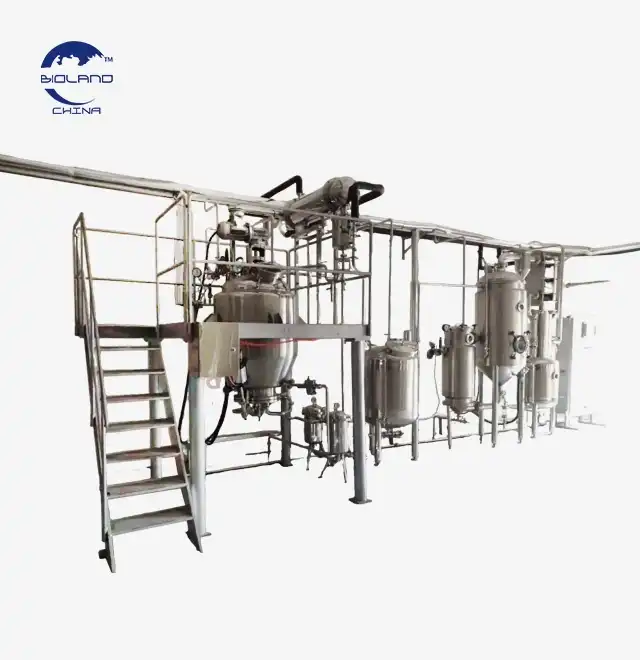
We sent a line of stevia extraction machines that use ultrasonic extraction, pressure concentration, and liquid recovery. After 32 minutes of running at 55 °C, recovery went up to about 91%, steam use dropped by about 40%, and a lighter extract that was easier to clean was made. The client said they got their money back in less than a year.
Water, Ethanol or Reflux: Choosing the Right Process Route
Your target purity and downstream route should help you choose the right process. It's possible to use more than one method with our stevia extraction machine. It can do ambient-temperature ultrasonic extraction, low-temperature ultrasonic extraction, solvent extraction, Soxhlet-type dynamic extraction, hot reflux, percolation, and water or alcohol precipitation. Food-grade lines that need to be cheap work best with water, while mixes of ethanol and water make selection better when higher purity is needed. The system works with normal, negative, or positive pressure and meets the HACCP and GMP standards for food and pharmaceuticals in regulated markets.
One Platform, Many Botanicals: What Else a Stevia Extraction Machine Can Do
A supplier of tea extract needed more polyphenols without losing the flavor. The extraction time dropped from 90 minutes to 30 minutes on the same ultrasonic platform at 50 °C. The recovery rate of polyphenols went up by about 60%, but flavor compounds and amino acids were kept.
When making oleoresin, a chili grinder had trouble with long processes and a lot of liquid loss. Our chili oleoresin extraction plant, which uses the same ultrasonic design as our stevia extraction machine, increased the yield of capsaicin by about 25%. The recovered solvent was put back into the tank, which meant that we bought a lot less solvent.
A mushroom farmer wanted to make polysaccharide powder from Lingzhi and shiitake mushrooms. Ultrasonic extraction at 60 °C for 40 minutes gave about twice as much as the old decoction. Not only does the stevia extraction machine work with stevia, but it also works with flavonoids, quercetin, propolis, plant pigments, and tinctures.
How Do Filtration Systems Remove Impurities from Stevia Extract?
Cleaner Extract Means Lighter Filtration and Lower Cost
When extraction is soft and precise, it makes filtering easy. The liquid that comes out of a stevia extraction machine usually has fewer suspended solids, colors, and colloids than liquid that comes out of a boiling process. This is because ultrasonic extraction at 40–60 °C leaves behind many macromolecular toxins. This makes the filters further down the line less busy, increases the life of the cartridge or membrane, and cuts down on the time it takes to clarify. When makers use a stevia extraction machine, they spend less on supplies and labor, and it's still easier to sort and clean the active glycosides in the next step.
Layered Filtration From Coarse Screening to Fine Clarification
A reliable line of filters for stevia. There are demisters on the steam exits of the tank and evaporator to stop foam and condensation. Next, a piping filter gets rid of plant waste before the liquor goes into the condenser or holding tank. Depending on the purity level needed, bag, plate-and-frame, ceramic, or membrane filters can be used for fine clarification. Bioland instrument also sells Nutche filter reactors and chemistry vacuum filtration units, so a stevia extraction machine can be paired with the right filtration equipment from the same company, which makes setup and maintenance easier.
Case: Turbid Extract No Longer Blocks the Resin Column
A stevia refinery found that the old stevia extraction machine's rough liquor stayed cloudy even after being left out overnight. It took about four hours of work each week to clean and backflush the resin column because fine solids got stuck in it every two or three batches.
Since they switched to a Bioland instrument stevia extraction machine with staged filtration, there was a big drop in cloudiness and very few column blockages. Cleaning once a week took only an hour, resin pressure stayed the same, and the plant got back to producing about six days a quarter. The CIP function also made it easier for workers to clean every day.
What Role Does Resin Purification Play in Stevia Processing?
Resin Purification: From Crude Extract to High-Purity Glycosides
After extraction and filtration, the liquor still contains pigments, salts, polyphenols and other compounds that affect taste and purity. Macroporous adsorption resin addresses this by capturing steviol glycosides while many impurities pass through, and the glycosides are then eluted with ethanol-water. This step lifts crude extract toward high-purity grades such as Reb A-rich products. A stevia extraction machine does not replace resin purification, but it prepares a cleaner, more consistent feed, which is the foundation of good resin performance.
Why Feed Quality From the Stevia Extraction Machine Protects Resin Life
Resin is a significant operating cost, so protecting it matters. Feed rich in suspended solids, colloids or oxidized components fouls the resin bed and shortens service life. Low-temperature ultrasonic extraction reduces thermal degradation, and staged filtration removes particles before they reach the column. The result is more stable adsorption capacity, easier regeneration and fewer shutdowns. For customers building a complete line, our engineers can also advise on column sizing, flow rates and solvent recovery, so that the stevia extraction machine and the purification section work together smoothly.
Case: Doubling Resin Life After Upgrading to a Stevia Extraction Machine Line
A mid-sized stevia producer replaced its resin every 40 cycles because fouling reduced adsorption capacity. Replacement costs and downtime were eating into margins, and the finished product still showed uneven color from batch to batch.
We reviewed the full flow and upgraded the front end with a stevia extraction machine and staged filtration. Resin life extended to about 80 cycles, purity became more consistent, and ethanol recovered during concentration was reused for elution, reducing solvent purchases by around 30%. The client called it a process fix, not just an equipment purchase.
How Do Evaporation and Drying Affect Final Product Purity?
Evaporation is where careless heating can undo earlier gains. Our stevia extraction machine integrates a vacuum concentration section operating at -0.085 MPa with an evaporation temperature of 60–100 °C, so solvent leaves quickly without prolonged exposure to high heat. Secondary vapor passes through the condenser and cooler and returns to the extraction tank as fresh solvent, strengthening extraction and saving solvent. Concentration continues until the liquid reaches the required specific gravity, and the colorless solvent left in the tank can be reused in the next batch.
Selecting the Right Model: BL-TN-C50L to BL-TN-C500L
Model selection depends on batch size and target output. The BL-TN-C50L offers 50 L volume and 20 kg/h evaporation capacity for laboratories and pilot trials, the C100L and C200L reach 50 and 70 kg/h, and the C300L and C500L deliver 100 and 200 kg/h. Motor power is 2.7–3.5 kW, steam consumption runs from 25 to 250 kg/h, jacket pressure is 0.09–0.3 MPa and compressed air is 0.5–0.6 MPa. Each stevia extraction machine uses SUS304/316L stainless steel with triple-layer insulation, and a thermal-oil heating system can be added where steam is unavailable.
Technology parameter
Model
BL-TN-C50L
BL-TN -C100L
BL-TN -C200L
BL-TN -C300L
BL-TN -C500L
Volume (L)
50
100
200
300
500
Evaporation capacity (kg/h)
20
50
70
100
200
Motor power(KW)
2.7
2.7
2.7
3.5
3.5
Steam consumption(kg/h)
25
60
90
120
250
System vacuum (MPa)
-0.085
-0.085
-0.085
-0.085
-0.085
Pressure of jacket(MPa)
0.09~0.3
0.09~0.3
0.09~0.3
0.09~0.3
0.09~0.3
Compressed air (MPa)
0.5~0.6
0.5~0.6
0.5~0.6
0.5~0.6
0.5~0.6
Evaporation temperature(°C)
60~100
60~100
60~100
60~100
60~100
Case: Turning Stevia Concentrate Into Free-Flowing Powder With Fewer Impurities
A customer who buys food ingredients used a standard evaporator to concentrate stevia liquor and an aging dryer to dry it. The product turned dark after being heated for a long time, and the powder quickly absorbed water, making packing harder and shortening the shelf life.
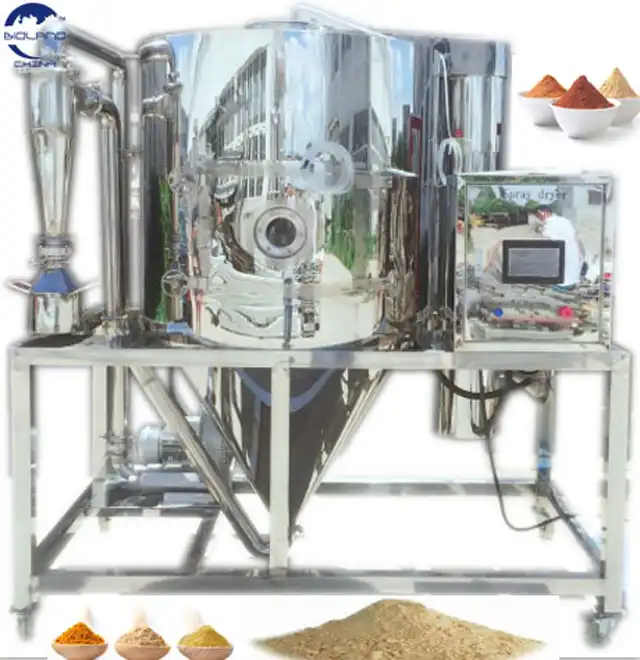
There is a Bioland instrument vacuum spray dryer and a stevia extraction machine that we put together. The color stayed lighter at lower temperatures, the amount of moisture that was left was within the acceptable range, and the powder flowed better when it was being packed. The number of rejected batches went down by about 25%, and the client now gives drink buyers a more uniform product.
Safe Operation, Maintenance and Service You Can Count On
To get reliable results, you need to operate safely and do regular maintenance. Before each run, operators should check the vacuum level, jacket pressure, and compressed air supply. They should also load the solvent at the right ratio and clean the stevia extraction machine with the CIP system between batches. Every unit is designed with GMP in mind and is certified by CE and ISO. It also comes with a one-year warranty and free maintenance for life. During production, a dedicated specialist sends photos or videos once a week. Customers can either approve shipment after inspection or set up a Factory Acceptance Test at our facility.
Xi'an Bioland Instrument Co.,Ltd. has been making and selling equipment for more than 15 years that is used for distillation, concentration, extraction, separation, filtration, cleansing, crystallization, mixing, and drying. We also sell ultrasonic plant extraction machines, ethanol and CO2 extraction machines, jacketed glass reactors, vacuum spray dryers, and freeze dryers, as well as the stevia extraction machine. These machines are sent to Europe and Southeast Asia. Standard units are shipped by sea, rail, or air in 5–7 days, while customized lines take 30 business days.
Conclusion
A well-prepared leaf, efficient extraction, stepwise filtration, resin purification, and gentle concentration and drying are all parts of a chain that work together to make high-purity stevia. The Bioland Instrument stevia extraction machine stands out because ultrasonic extraction increases recovery by 50–500%, cuts cycles down to 24–40 minutes, and keeps glycosides safe at 40–60 °C. What that means in real life is shown by the cases: more healing, longer resin life, better liquor, and more uniform powder. Our stevia extraction machine is CE and ISO certified, has a GMP-focused design, is flexible for OEM/ODM, gives weekly progress updates, and comes with lifetime maintenance. It can be used for both pilot projects and small to medium-scale production. Picking the right process partner is just as important as picking the right tools when you are building a new plant or improving an old one.
FAQ
Q1: How much faster is ultrasonic extraction?
A: Best yield is usually reached in 24–40 minutes at 40–60 °C, over two-thirds shorter than traditional methods.
Q2: Can one stevia extraction machine process other plants?
A: Yes. It also extracts flavonoids, polysaccharides, tea polyphenols, capsaicin, propolis, pigments and essential oils.
Q3: Which models does the stevia extraction machine offer?
A: BL-TN-C50L to BL-TN-C500L, from 50 to 500 L, with evaporation capacity of 20–200 kg/h.
Q4: Is customization available?
A: Yes. OEM/ODM is supported; customized equipment takes about 30 business days, standard units 5–7 days.
Q5: Which certifications and warranty come with the stevia extraction machine?
A: CE and ISO certification, GMP/FDA-compliant design, a one-year warranty and lifetime maintenance.
Ready to Build Your High-Purity Stevia Line? Talk to Bioland Instrument Today
Stop guessing why your purity drifts and let our engineers map the problem with you. At Bioland Instrument, we do more than sell a stevia extraction machine; we design the whole process from pretreatment to drying around your raw material, capacity and budget. With more than 15 years of experience, CE and ISO certification, GMP/FDA-compliant construction, competitive factory pricing, OEM/ODM customization, weekly progress photos or videos, optional FAT and a one-year warranty with lifetime maintenance, you can invest with confidence. Share your raw material, target purity and daily output, and we will recommend the right stevia extraction machine model, process route and layout. Customized lines are ready in about 30 business days, and standard units in 5–7 days. Email info@biolandequip.comtoday to request a quotation, a pilot-test plan or a tailored production-line proposal.
References
1. Wölwer-Rieck, U. (2012). The leaves of Stevia rebaudiana (Bertoni), their constituents and the analyses thereof: A review. Journal of Agricultural and Food Chemistry, 60(4), 886–895.
2. Puri, M., Sharma, D., Barrow, C. J., & Tiwary, A. K. (2012). Optimisation of novel method for the extraction of steviosides from Stevia rebaudiana leaves. Food Chemistry, 132(3), 1113–1120.
3. Chemat, F., Rombaut, N., Sicaire, A.-G., Meullemiestre, A., Fabiano-Tixier, A.-S., & Abert-Vian, M. (2017). Ultrasound assisted extraction of food and natural products. Mechanisms, techniques, combinations, protocols and applications. A review. Ultrasonics Sonochemistry, 34, 540–560.
4. Lemus-Mondaca, R., Vega-Gálvez, A., Zura-Bravo, L., & Ah-Hen, K. (2012). Stevia rebaudiana Bertoni, source of a high-potency natural sweetener: A comprehensive review on the biochemical, nutritional and functional aspects. Food Chemistry, 132(3), 1121–1132.
5. Zhang, S. Q., Kumar, A., & Kutowy, O. (2000). Membrane-based separation scheme for processing sweeteners from stevia leaves. Food Research International, 33(7), 617–620.
6. Ameer, K., Chun, B.-S., & Kwon, J.-H. (2017). Optimization of supercritical fluid extraction of steviol glycosides and total phenolic content from Stevia rebaudiana (Bertoni) leaves using response surface methodology and artificial neural network modeling. Industrial Crops and Products, 109, 672–685.
The reactor is beautifully mirror-polished and fully complies with GMP requirements for the pharmaceutical industry. The performance is excellent! Overall, we are very satisfied! We also provided with some feedback on our process improvements, which we hope will be helpful.
2024-04-09
Laboratory
Excellent and professional service. Always reply our questions very fast. All reactors and chiller we received are good too.
2024-02-15
Research Institute
Quality is beyond our expectation actually. After we got the extraction equipment and started using it, the performance was beyond our expectation. Very easy to use and very efficient to run. Service always respond us very quickly. Was also very helpful to help us. Thanks Bioland team. Very happy to work with you.
2023-11-20
Biotech Company
We are happy about the new purchase as always. Equipment and services are both good.
2023-08-05
Instrument Lab
This is the second order with Bioland instrument and everything is good as the first dateText.
2023-05-12
Global Trading Partner
Bioland instrument team is very helpful and professional. The sales helped us select the right equipment for our application, and their logistics people handled the transportation and customs declaration for our shipment. All that saved us a lot of work.