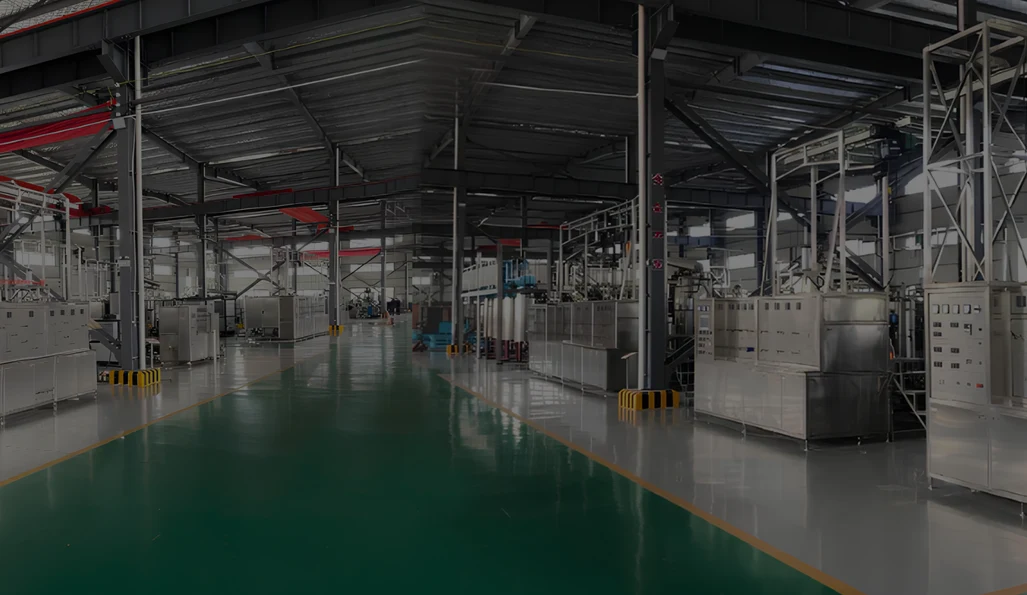
Automated Solid Phase Synthesizer vs Manual Synthesis reactor
Jul 23, 2026
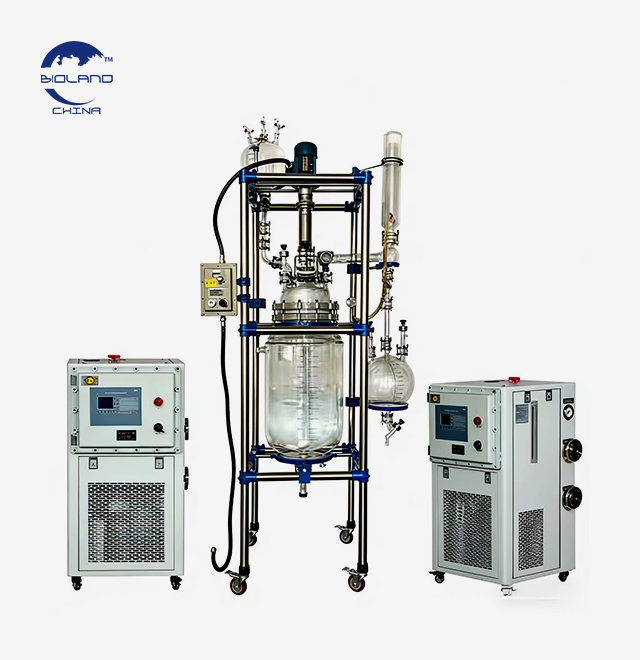
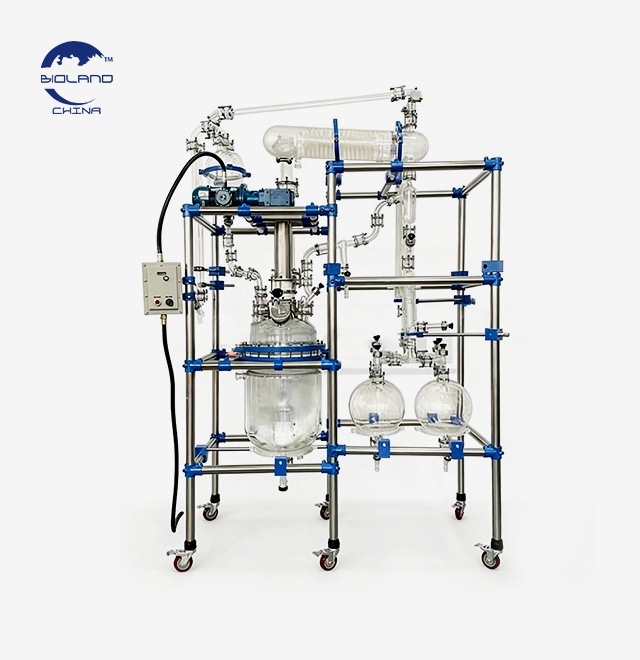
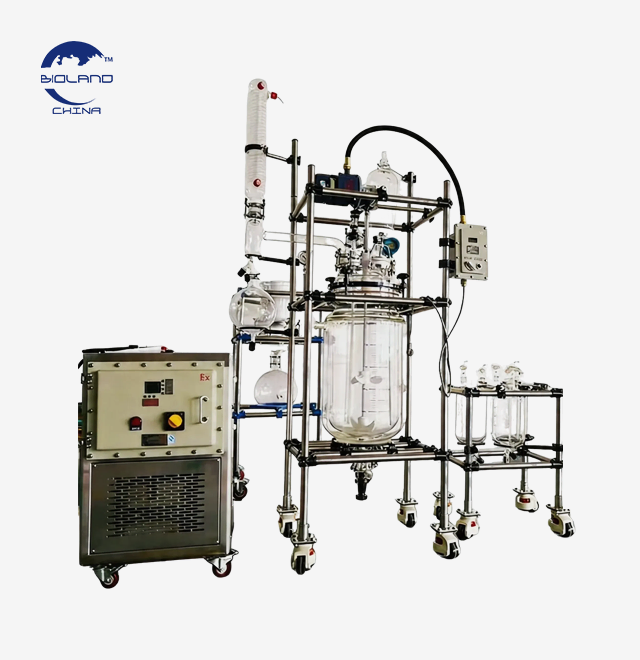
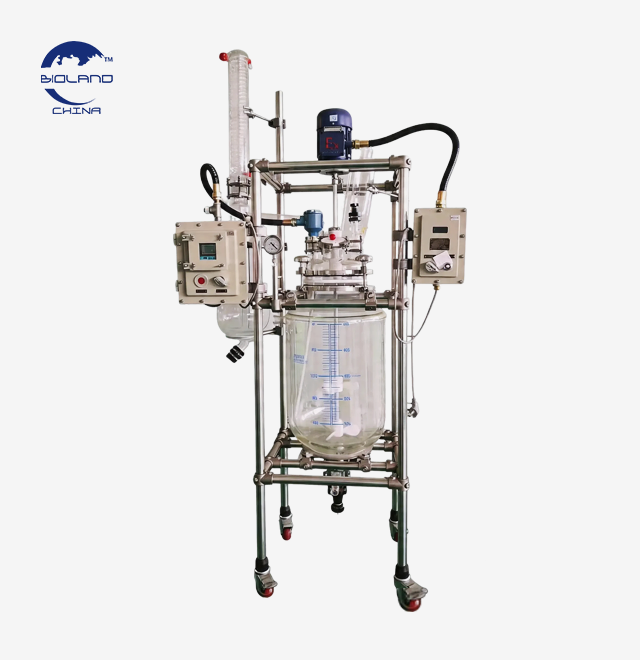
Peptide and oligonucleotide teams eventually hit the same wall: manual solid phase synthesis works at bench scale, but it cannot hold coupling efficiency, timing, or operator consistency once a project moves toward pilot production. An automated solid phase synthesizerfrom Xi'an Bioland Instrument solves that transition directly, combining precision fluidics, programmable temperature control from −80°C to 250°C, and a PTFE sandcore filtration system that delivers coupling efficiency above 99.5% per cycle. Built from chemically resistant borosilicate glass and PTFE, fully CE, ISO, and GMP compliant, and available with explosion-proof and PLC automation options, Bioland's automated solid phase synthesizer turns a process that used to depend on one skilled technician's hands into a repeatable, documented workflow. This article compares automated and manual synthesis head-to-head across efficiency, accuracy, and workflow control, and shows how real customers used automation to solve the exact problems slowing their peptide and chemical synthesis programs down.
Comparing Automation Efficiency and Manual Synthesis Processes
Every synthesis lab eventually faces the same tradeoff: manual methods are flexible and cheap to start with, but they scale poorly once batch count, purity targets, or regulatory expectations rise. The comparison below walks through exactly where an automated solid phase synthesizer earns back its cost against a manual bench setup, and where the two approaches genuinely differ in daily operation rather than just on paper.
Manual Solid Phase Synthesis: Where Time and Consistency Get Lost
Manual synthesis requires an operator to measure reagents, time each coupling and deprotection step, and physically filter and wash resin between cycles, often dozens of times per sequence. Each manual transfer introduces resin loss, timing drift, and a chance for cross-contamination between batches, problems that compound quickly when a lab runs multiple sequences in parallel without an automated solid phase synthesizer to standardize the process. Labs relying entirely on manual methods often find that headcount, not chemistry, becomes their real production bottleneck.
How an Automated Solid Phase Synthesizer Executes the Reaction Cycle
Bioland's automated solid phase synthesizer runs the full cycle without manual intervention: resin loading, automated deprotection with reagents like piperidine, thorough washing, and precision-metered coupling of amino acids or nucleotides, all inside a closed system. Precision pumps deliver reagent volumes accurate to within ±1% by gravimetric and stoichiometric measurement, and preset stirring keeps resin suspended evenly, removing the operator-dependent variability that manual synthesis cannot avoid.
Coupling Efficiency and Cycle Time Compared
An automated solid phase synthesizer sustains coupling efficiency above 99.5% per cycle consistently, while manual synthesis efficiency typically drifts downward across long sequences as fatigue and timing inconsistency accumulate. For a 30- to 50-residue peptide, that per-cycle difference compounds into a substantial crude purity gap by the final coupling, directly affecting how much purification work is needed downstream.
Case Study: European Pharmaceutical Company Scales Antimicrobial Peptide Production
A European pharmaceutical company developing antimicrobial peptide candidates struggled with inconsistent coupling yields and long manual synthesis cycles that limited how many sequences their team could screen per month. Bioland supplied a 30L automated solid phase synthesizer with nitrogen-protected reaction control. Coupling efficiency stabilized above 99.5%, freeing the R&D team to screen significantly more candidate sequences within the same staffing and timeline.
Differences in Accuracy, Reproducibility, and Workflow Control
Accuracy and reproducibility decide whether a synthesis process can survive scale-up and regulatory scrutiny, and this is where the gap between manual and automated methods becomes hardest to ignore. Teams evaluating an automated solid phase synthesizer against their current manual workflow usually find that the reproducibility gap, not the raw speed difference, is what ultimately justifies the switch.
Manual Pipetting and Timing Variability
Manual pipetting, even by an experienced chemist, introduces volume variability that compounds across dozens of coupling cycles, and reaction timing inevitably drifts as an operator manages multiple simultaneous tasks. These small inconsistencies rarely show up in any single step, but they accumulate into meaningfully different crude purity outcomes between operators or even between different days with the same operator.
Precision Fluidics and Temperature Control in Automated Systems
An automated solid phase synthesizereliminates that drift through PID-controlled temperature management holding ±0.1°C precision and metered fluidics that repeat identically cycle after cycle. Bioland's system extends this control across a −80°C to 250°C range, so temperature-sensitive coupling chemistry and low-temperature cleavage steps run under the same programmed precision as room-temperature reactions.
Batch-to-Batch Reproducibility Data
Because every parameter in an automated solid phase synthesizer is programmed rather than manually executed, batch-to-batch reproducibility becomes a documented, auditable property of the process rather than something that depends on which technician ran the synthesis. This matters directly for facilities working toward cGMP production or 21 CFR Part 11 compliance, where electronic records and consistent process parameters are non-negotiable requirements. An automated solid phase synthesizer also simplifies tech-transfer between sites, since the same programmed parameters can be replicated on another unit without retraining staff on manual technique.
Case Study: Polish Biotech Company Standardizes Thymosin Peptide Pilot Production
A Polish biotech company preparing thymosin peptide for pilot-scale trials faced batch-to-batch purity variation that complicated their tech-transfer documentation. Bioland engineered a 50L automated solid phase synthesizer with PLC-controlled cycle programming and full weekly production tracking. Reproducibility improved enough that the client's quality team could finally document consistent process parameters across every pilot batch.
How Automation Improves Solid Phase Synthesis Performance
Beyond raw efficiency numbers, automation changes what a synthesis platform can actually do in a single closed system, which matters for both product purity and operator safety. The capabilities below are difficult or impossible to replicate manually, which is exactly why an automated solid phase synthesizer earns its place in labs running anything beyond occasional, single-sequence work.
Integrated Filtration, Reaction, and Cleavage in One Platform
An automated solid phase synthesizer built by Bioland combines the reaction vessel, PTFE sandcore filtration, and automated cleavage into a single connected platform, so resin never has to be manually transferred between separate pieces of equipment. Filter pore sizes from 1 to 200μm are configurable, letting the same system handle fine peptide resins and coarser oligonucleotide supports without swapping hardware.
Real-Time Monitoring and Adaptive Cycle Adjustment
Optional UV-Vis monitoring tracks deprotection completion in real time, letting an automated solid phase synthesizer adjust cycle timing dynamically instead of running a fixed schedule that may waste time or under-react difficult sequences. The transparent borosilicate glass vessel also lets operators visually confirm resin swelling and mixing behavior alongside the digital data the system records.
Explosion-Proof and Safety Engineering for Solvent-Intensive Work
Solid phase synthesis consumes significant volumes of DMF, DCM, and other flammable solvents across a typical sequence, and Bioland's automated solid phase synthesizer can be built with explosion-proof motors, control boxes, and temperature displays for exactly this reason. Electric lift mechanisms and variable-frequency drives further reduce manual handling risk during resin loading, washing, and discharge.
Case Study: Oligonucleotide Synthesis Scale-Up Support
A specialty chemical manufacturer developing antisense oligonucleotide sequences needed tighter moisture control and coupling consistency than their manual setup could deliver. Bioland configured an automated solid phase synthesizer with sealed fluidic paths and precision coupling control tuned for ASO chemistry. The client reported measurably more consistent linkage efficiency across their sequence library after switching from manual synthesis to the automated platform.
Choosing the Right Approach for Modern Synthesis Development
Neither automated nor manual synthesis is universally correct; the right choice depends on batch count, purity requirements, and how close a project sits to regulated production. Mapping your actual sequence volume and documentation needs against the factors below gives a clearer answer than defaulting to whichever approach your lab happens to already own, and clarifies exactly when an automated solid phase synthesizer earns its cost.
When Manual Synthesis Still Makes Sense
For single, exploratory sequences run occasionally in an academic lab, manual synthesis remains a reasonable low-investment starting point, since the equipment cost of an automated solid phase synthesizer may not be justified until sequence throughput or reproducibility requirements increase. Teams in early discovery work sometimes genuinely do not need automation yet.
Scaling from R&D to Pilot and CDMO Production
Once a lab moves from occasional sequences to routine library screening, pilot batches, or CDMO contract work, an automated solid phase synthesizer becomes the more economical choice because it removes the labor bottleneck and quality variability manual methods cannot solve at that volume. Bioland's BL-FR series scales from 10L through 100L, so the same validated process parameters carry forward as production volume increases, and CDMO operations in particular benefit from being able to quote consistent turnaround times across client projects run on the same automated solid phase synthesizer platform.
Customization, OEM/ODM, and Regulatory Documentation
Bioland's automated solid phase synthesizer is available with OEM/ODM customization covering reactor size, filter material, and integrated modules for ultrasonic crystallization, filtration, or distillation, letting buyers configure exactly the platform their process needs rather than adapting their process to a fixed catalog unit. Full Installation Qualification and Operational Qualification documentation packages support facilities preparing for regulatory submission.
Company Support: From Prototype to Production Partner
Xi'an Bioland Instrument Co., Ltd. has spent more than 15 years manufacturing reaction, extraction, filtration, and distillation equipment for biopharmaceutical and fine chemical customers exporting to Europe and Southeast Asia. Standard automated solid phase synthesizer units ship in 5–7 days, customized configurations take about 30 business days, and a dedicated specialist provides weekly photo or video progress updates with an optional Factory Acceptance Test before shipment.
Conclusion
An automated solid phase synthesizer wins on efficiency, reproducibility, and safety wherever sequence throughput or regulatory documentation matters, while manual synthesis still has a place in occasional, exploratory bench work. Bioland's 99.5% coupling efficiency, ±0.1°C temperature precision, and GMP-compliant construction give process teams a proven path from single-sequence R&D to pilot and CDMO-scale peptide or oligonucleotide production without losing the consistency their quality systems require.
FAQ
Q1: How much more efficient is an automated solid phase synthesizer than manual synthesis?
Bioland's systems maintain coupling efficiency above 99.5% per cycle consistently, while manual synthesis efficiency typically drifts lower across long sequences due to timing and pipetting variability.
Q2: What batch sizes does the automated solid phase synthesizer support?
The BL-FR series ranges from 10L through 100L, letting the same validated process transfer from R&D scale to pilot and CDMO production.
Q3: Can the system handle hazardous or flammable solvents safely?
Yes. Explosion-proof motors, control boxes, and temperature displays are available as configurable options for DMF-, DCM-, and solvent-intensive synthesis work.
Q4: Is the automated solid phase synthesizer suitable for oligonucleotide synthesis?
Yes. Configurable filter pore sizes from 1 to 200μm and sealed fluidic paths support ASO and siRNA sequence synthesis alongside standard peptide chemistry.
Q5: Does the equipment support regulatory documentation for pharmaceutical use?
Yes. Full Installation Qualification and Operational Qualification packages are available, and premium control software supports 21 CFR Part 11 compliance with electronic audit trails.
Talk to Bioland Instrument About Automating Your Synthesis Line
If inconsistent coupling yields or slow manual cycles are limiting your peptide or oligonucleotide program, Bioland Instrument can help. With 15+ years manufacturing GMP-compliant reaction and filtration equipment, Xi'an Bioland Instrument Co., Ltd. builds automated solid phase synthesizer systems delivering 99.5% coupling efficiency, ±0.1°C control, and full OEM/ODM customization. We ship standard units in 5–7 days, document every custom build weekly, and back each system with a one-year warranty and lifetime maintenance. Email info@biolandequip.com with your sequence and scale requirements, and let's design the synthesizer that fits your production goals.
References
1. Merrifield, R. B. "Solid Phase Peptide Synthesis." Journal of the American Chemical Society, 1963.
2. Chan, W. C., & White, P. D. Fmoc Solid Phase Peptide Synthesis: A Practical Approach. Oxford University Press, 2000.
3. Isidro-Llobet, A., Álvarez, M., & Albericio, F. "Amino Acid-Protecting Groups." Chemical Reviews, 2009.
4. Amblard, M., Fehrentz, J. A., Martinez, J., & Subra, G. "Methods and Protocols of Modern Solid Phase Peptide Synthesis." Molecular Biotechnology, 2006.
5. Behrendt, R., White, P., & Offer, J. "Advances in Fmoc Solid-Phase Peptide Synthesis." Journal of Peptide Science, 2016.
6. Sinnott, R. K. Chemical Engineering Design. Butterworth-Heinemann, 2005.
The reactor is beautifully mirror-polished and fully complies with GMP requirements for the pharmaceutical industry. The performance is excellent! Overall, we are very satisfied! We also provided with some feedback on our process improvements, which we hope will be helpful.
2024-04-09
Laboratory
Excellent and professional service. Always reply our questions very fast. All reactors and chiller we received are good too.
2024-02-15
Research Institute
Quality is beyond our expectation actually. After we got the extraction equipment and started using it, the performance was beyond our expectation. Very easy to use and very efficient to run. Service always respond us very quickly. Was also very helpful to help us. Thanks Bioland team. Very happy to work with you.
2023-11-20
Biotech Company
We are happy about the new purchase as always. Equipment and services are both good.
2023-08-05
Instrument Lab
This is the second order with Bioland instrument and everything is good as the first dateText.
2023-05-12
Global Trading Partner
Bioland instrument team is very helpful and professional. The sales helped us select the right equipment for our application, and their logistics people handled the transportation and customs declaration for our shipment. All that saved us a lot of work.