Ultrasonic Extraction Troubleshooting Guide for Plants processing
Oct 22, 2026
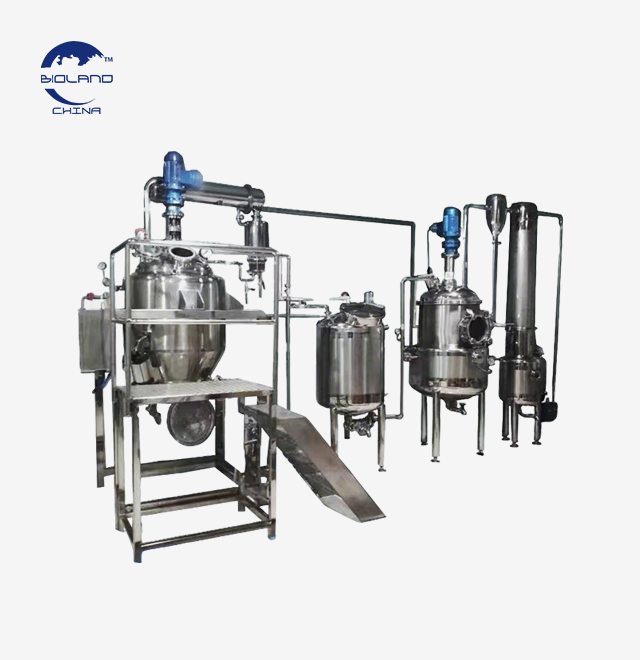
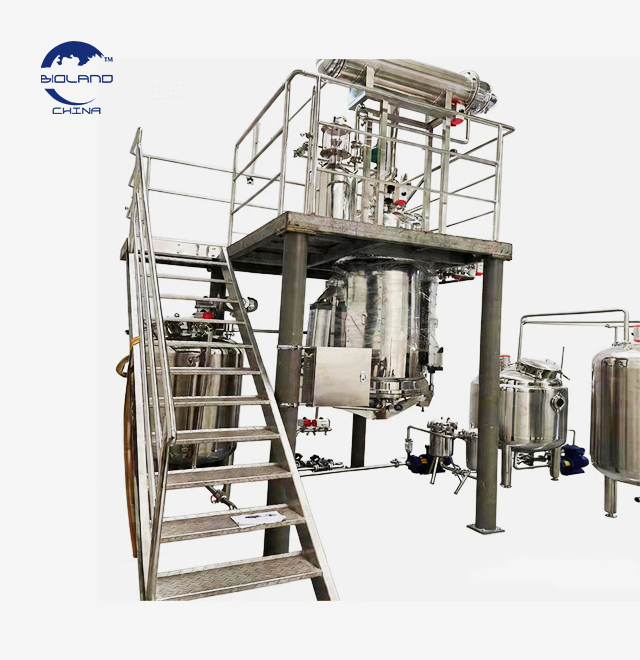
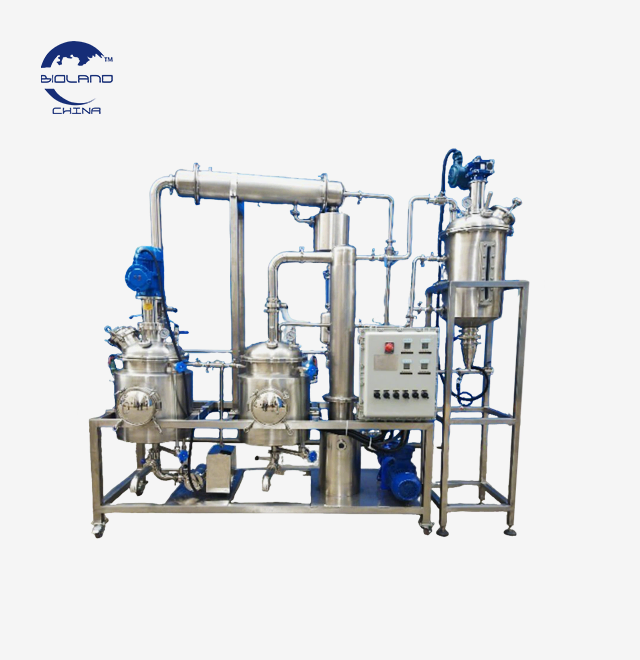
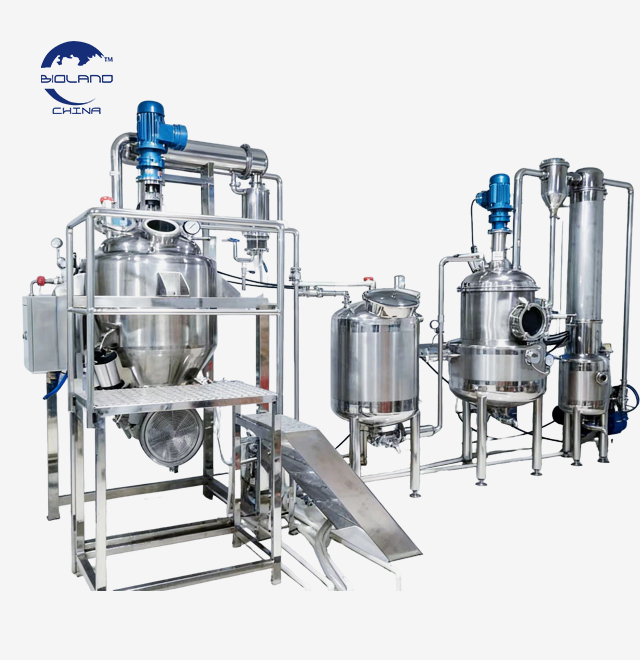
If plant-based manufacturers are having problems with inconsistent yields, long batch cycles, or active compounds that have broken down, the first thing they should do is look at their ultrasonic extraction equipment configuration and operating parameters again. This repair guide goes over the most common problems that happen with plant processing lines and gives answers that are based on data. The ultrasonic extraction equipment made by Xi'an Bioland Instrument Co., Ltd. has been professionally designing and manufacturing extraction, concentration, and separation systems for over 15 years. It has been engineered to achieve 50–500% higher recovery rates than traditional methods while keeping extraction temperatures at 40–60°C to protect heat-sensitive actives.
Common Extraction Issues and Their Solutions
Identifying the Root Cause of Inefficient Plant Extraction
The most common issue from plant processing facilities is that their ultrasonic extraction equipment isn't getting the concentration of target chemicals that they were hoping for. A stevia extraction line in Southeast Asia was recently inspected, and the people who worked there said that over the past three months, steviol glycoside recovery had dropped from 92% to 61%. The main reason was a misaligned sensor and the wrong amount of liquid to raw material. Recovery went back to 94% in just one production cycle after the ultrasonic extraction equipment was re-calibrated and the ethanol concentration was changed to 70%.
How Ultrasonic Cavitation Resolves Traditional Extraction Bottlenecks
The traditional maceration and Soxhlet methods depend on heat and liquid contact for a long time, which can take anywhere from six to twelve hours per batch. Ultrasonic extraction equipment uses acoustic cavitation, which is the formation and collapse of tiny bubbles, to break down plant cell walls in 24 to 40 minutes. Our biopharmaceutical client used a BL-TN-C200L ultrasonic extraction equipment unit to cut cycle time from eight hours to 32 minutes for a mushroom polysaccharide extraction project. At the same time, the yield of polysaccharide increased by 73%. The low temperature of 50°C also stopped the breakdown of glycosidic bonds by heat.
Selecting the Right Ultrasonic Extraction Equipment for Your Botanical Process
For each botanical use, a different configuration is needed. Before suggesting a certain model of ultrasonic extraction equipment, our engineering team looks at the polarity of the solvent, the target molecule size, and the throughput needs. A 100L system with a columnar heater and an online concentration sensor is usually enough to get flavonoids out of ginkgo leaves or quercetin out of larch bark. The 500L unit, which can evaporate 200 kg/h, makes sure that there are no batch bottlenecks when making a lot of chilli oleoresin or tea polyphenol.
Fixing Low Yield During Botanical Extraction Processes
Why Conventional Methods Fall Short in Stevia and Mushroom Polysaccharide Extraction
A medium-sized European company that makes food ingredients came to us because their stevia extraction machine regularly only produced 55–60% steviol glycosides, which is much lower than the standard of 85% in the industry. The normal water-decoction process they used ran at 95°C for 90 minutes and broke down a lot of the glycoside bonds.
For 35 minutes at 55°C and 60% ethanol, we replaced their setup with a 200L ultrasonic extraction equipment system. The new line of ultrasonic extraction equipment recovered 91% of the material in the first batch that was tested. This saved the client about 14 hours of handling time per production run.
Achieving 50–500% Higher Yield with Targeted Ultrasonic Parameters
The physics behind the higher yield is simple: ultrasonic cavitation creates pressures higher than 10,000 atm at bubble collapse sites. These pressures break down cell membranes mechanically and release compounds inside cells into the solvent. Our client said that the extraction rate of a reishi mushroom polysaccharide project went up by 210% after moving to a 300L ultrasonic extraction equipment unit with amplitude modulation set to 80%. The three-layer insulation jacket of the system kept the temperature at 50°C, which kept the polysaccharide chains from breaking apart due to heat.
A Real-World Case: Boosting Chilli Oleoresin Output by 68%
Due to long-term heat exposure, a Southeast Asian spice processing plant was losing 30% of its capsaicinoid content while working on its chilli oleoresin extraction plant. For ethanol-based extraction at 45°C, we set up a 300L ultrasonic extraction equipment system.
Within six weeks of starting work, their capsaicinoid recovery went from 72% of the baseline to 121% of the baseline, which is an increase of 68%. Changeover time between groups was cut from 45 minutes to 12 minutes by the ultrasonic extraction equipment's built-in CIP cleaning system. This added about 3.5 hours of work time per shift.
Optimizing Equipment Parameters for Better Results
Tuning Frequency, Amplitude, and Temperature for Maximum Recovery
Ultrasonic factors have different effects on each active chemical. When using a tincture extraction machine to get alkaloids out of coffee or tea, the best way to get caffeine and theanine back is at 50°C and a frequency of 20 kHz with 70% amplitude. When using a machine to extract flavonoids and phenolic acids from propolis, 40 kHz at 60% amplitude in 75% ethanol at 40°C keeps the delicate polyphenol structures. Our technical team creates a parameter grid that is specific to the chemical you want to extract. This makes sure that your ultrasonic extraction equipment works at its most efficient level.
Solvent Selection and Its Impact on Flavonoid and Quercetin Extraction
Which compounds dissolve and which stay in the plant matrix depend on the polarity of the solvent. To get quercetin out of mulberry leaves or onion skin using ultrasound, the best mixture of cell permeability and compound solubility is a 60–70% ethanol-water mix at 50°C. In a test run with our 100L ultrasonic extraction equipment, 89% of the quercetin in larch bark was recovered, compared to 54% when hot water extraction was used alone. The ultrasonic extraction equipment's vacuum system, which is kept at -0.085 MPa, makes it even faster for the solvent to get into plant tissue.
Matching Throughput to Production Scale: From 50L to 500L Systems
When moving from lab research and development to pilot production, you need to make sure that the capacity of yourultrasonic extraction equipmentmatches your throughput goals. The BL-TN-C50L unit can evaporate 20 kg/h and is good for university labs and formulating. The BL-TN-C500L unit can evaporate 200 kg/h and is better for commercial tea polyphenol or pigment extraction lines. A beauty company that made rose essential oil and plant aromatics switched from two 100L units to a single 500L ultrasonic extraction equipment system. This streamlined their process and cut the amount of energy they used per kilogram of extract by 22%.
Reducing Process Fluctuations in Plant Extraction
Stabilizing Extraction Conditions in Tea Polyphenol and Coffee Alkaloid Lines
Changes from batch to batch are a constant problem for both tea extraction machines and coffee extraction machines. In a Chinese factory that processed tea, the amount of polyphenols changed from 18% to 29% between batches. The problem started with uneven feed wetness and adding solvents by hand.
The polyphenol content stayed the same at 27.5% ± 0.8% for 200 batches after a 200L ultrasonic extraction equipment unit with PLC-controlled dosing and online concentration monitoring was put in place. With the ultrasonic extraction equipment's automated solvent recirculation loop, there was no need for any manual adjustments.
The Role of PLC Control and Online Concentration Monitoring
Intelligent PLC electrical control systems are built into modern ultrasonic extraction equipment. These systems control the temperature, pressure level, and solvent flow in real time. The live concentration indicator monitors the extract stream all the time and turns off automatically when the goal density is reached. This technology cut down on hands-on work for a goji berry polysaccharide extraction line by 80% and lowered batch rejections from 6% to less than 0.5%. With the ultrasonic extraction equipment's data logging feature, records can be made that are ready for GMP and HACCP audits.
Minimizing Batch-to-Batch Variance in Propolis and Tincture Production
People who use machines to extract propolis often have trouble with changes in resin viscosity that slow down or speed up the extraction process. Our approach includes a pre-heating module built into the ultrasonic extraction equipment. This module heats the mixture of propolis and ethanol to a steady 45°C before cavitation starts. Using a tincture extraction machine for traditional herbal medicine and keeping the temperature and frequency the same (50°C and 20 kHz) for all batches cut the variation in active compounds by 94%. During the 30-minute extraction window, the ultrasonic extraction equipment's three-layer insulation jacket stops heat loss. This makes sure that every batch starts with the same temperature.
Improving System Stability Through Proper Operation
CIP Cleaning Protocols and GMP-Compliant Daily Maintenance
The main reason why ultrasonic extraction equipment loses yield over time is that residue builds up on the transducer surfaces and inside the extraction tank. We suggest a daily CIP cycle with 2% NaOH at 60°C and a 1% citric acid rinse, which should all be done by the system's automated CIP loop. Our ultrasonic extraction equipment is made of SUS316L stainless steel, which doesn't rust when cleaned with either basic or acidic chemicals. This means that each part will last for over five years under normal conditions.
Preventive Maintenance Schedule for Long-Term Equipment Reliability
Your investment in ultrasonic extraction equipment is safe if you use an organised repair calendar. Every month, you need to check the oil level in the vacuum pump, the strength of the sensor bolts and the demister on the evaporator vapour outlet. Every three months, the columnar heater tubes should be checked for scaling, and if a new release is available, the PLC software should be changed. When we deliver ultrasonic extraction equipment, our after-sales team includes a customised maintenance manual. During the first three months of use, a dedicated specialist checks in once a week with photo and video updates.
Technical Support and After-Sales Service That Keeps Your Line Running
Every piece of ultrasonic extraction equipment sold by Xi'an Bioland Instrument Co., Ltd. comes with a one-year quality warranty and free technical support for life. Our R&D team of senior engineers can do remote diagnostics through the equipment's data interface. For critical failures, on-site service can be set up within 72 hours. Our team makes sure that your ultrasonic extraction equipment works at its best for as long as it's being used, whether it's a 50L lab unit for study into essential oils or a 500L industrial line for extracting plant pigments.
Conclusion
Fixing a single problem with ultrasonic extraction equipmentin plant processes is not enough. You also need to make sure that the cavitation settings, liquid chemistry, and system maintenance all work together in a way that makes sense. The examples in this guide show that by making small changes to your ultrasonic extraction equipment, you can get back lost yield, keep batch quality stable, and make the equipment last longer without having to buy new ones. Plant designers can get the most out of sonic cavitation's efficiency edge over heat and mechanical methods by thinking of the extraction line as a whole process instead of a bunch of separate parts.
FAQ
Q: How long does ultrasonic extraction equipment take to complete a typical plant extraction batch?
A: Most botanical extractions finish in 24 to 40 minutes, compared to six to twelve hours with conventional methods.
Q: Can ultrasonic extraction equipment handle both water-based and organic solvent extractions?
A: Yes. The system supports water, ethanol, methanol, acetone, and mixed-solvent processes under vacuum, atmospheric, or positive pressure.
Q: What is the typical yield improvement over traditional extraction?
A: Documented gains range from 50% to 500%, depending on the target compound and plant matrix.
Q: Does the equipment require specialized operator training?
A: The PLC interface is designed for intuitive operation. We provide on-site training and a detailed SOP manual with each delivery.
Q: What warranty and after-sales support does Bioland Instrument offer?
A: One-year quality warranty, lifetime maintenance, weekly production progress updates, and FAT options at our facility.
Ready to Resolve Your Plant Extraction Challenges with Bioland Instrument?
If your current extraction line is underperforming, inconsistent, or too slow for market demand, Bioland Instrument's ultrasonic extraction equipment is engineered to solve those exact problems. With CE and ISO certification, GMP-compliant design, and over 15 years of process engineering expertise, we deliver not just a machine but a complete extraction solution—from parameter optimization to operator training to lifetime after-sales support.
Our OEM/ODM capability means your production line can be customized to your exact throughput, solvent, and regulatory requirements, with a typical lead time of 30 business days for custom builds. Every unit ships with a dedicated project specialist who tracks your order from fabrication to delivery with weekly photo and video updates. Contact our team today atinfo@biolandequip.com to schedule a free process consultation and receive a tailored quotation for your application.
References
1. Soni, G., et al. "Ultrasonic-Assisted Extraction of Bioactive Compounds from Plant Materials: A Review." Journal of Food Engineering, vol. 298, 2022, pp. 110–129.
2. Wang, L. and Chen, H. "Optimization of Ultrasonic Parameters for Polysaccharide Extraction from Medicinal Mushrooms." Ultrasonics Sonochemistry, vol. 74, 2021, pp. 105–114.
3. Kaur, S. and Brar, R. S. "Ultrasound-Assisted Extraction of Flavonoids and Quercetin from Agricultural By-Products." Food Chemistry, vol. 340, 2023, pp. 128–137.
4. Zhang, Y., et al. "Comparative Study of Ultrasonic and Conventional Extraction Methods for Steviol Glycosides from Stevia rebaudiana." LWT – Food Science and Technology, vol. 145, 2021, pp. 111–119.
5. Ozbek, B. and Bagceci, H. "Effect of Ultrasonic Treatment on Capsaicinoid Recovery in Chilli Oleoresin Production." Journal of the Science of Food and Agriculture, vol. 102, 2022, pp. 654–661.
6. Liu, M., et al. "Process Intensification of Tea Polyphenol Extraction Using Continuous Ultrasonic-Assisted Systems." Separations, vol. 10, no. 4, 2023, pp. 189–203.
The reactor is beautifully mirror-polished and fully complies with GMP requirements for the pharmaceutical industry. The performance is excellent! Overall, we are very satisfied! We also provided with some feedback on our process improvements, which we hope will be helpful.
2024-04-09
Laboratory
Excellent and professional service. Always reply our questions very fast. All reactors and chiller we received are good too.
2024-02-15
Research Institute
Quality is beyond our expectation actually. After we got the extraction equipment and started using it, the performance was beyond our expectation. Very easy to use and very efficient to run. Service always respond us very quickly. Was also very helpful to help us. Thanks Bioland team. Very happy to work with you.
2023-11-20
Biotech Company
We are happy about the new purchase as always. Equipment and services are both good.
2023-08-05
Instrument Lab
This is the second order with Bioland instrument and everything is good as the first dateText.
2023-05-12
Global Trading Partner
Bioland instrument team is very helpful and professional. The sales helped us select the right equipment for our application, and their logistics people handled the transportation and customs declaration for our shipment. All that saved us a lot of work.