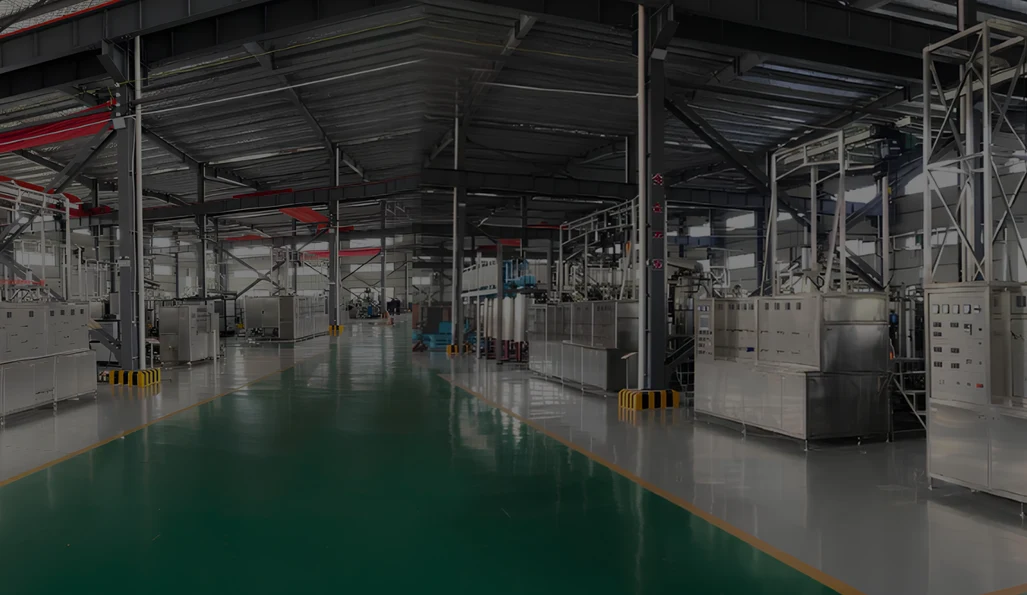
One of the most important decisions a business that processes plants will ever have to make is whichultrasonic extraction equipment to buy. If you are clear about what you want, you can get extraction rates that are 50–500% higher than usual, batch cycles that are cut down to 24–40 minutes, and gentle processing at 40–60°C that keeps heat-sensitive actives safe. For more than 15 years, Xi'an Bioland Instrument Co., Ltd. has been making ultrasonic extraction equipment for universities, research institutes, and small to medium-sized production lines that make biopharmaceuticals, food and drinks, cosmetics, and natural products. These systems have been sent all over Europe and Southeast Asia.
Each unit is made according to GMP pharmaceutical standards and is certified by CE and ISO. It also comes with an in-house research and development team, the ability to work with OEMs and ODMs, and a quality warranty that lasts for a year with maintenance for life. If you want to make a smart purchase, this guide will walk you through the five pillars: buy criteria, capacity and setup, industrial features, seller capability, and growth planning. This way, you can choose ultrasonic extraction equipment that solves real process problems instead of just adding floor space.
Key Factors Before Purchasing Extraction Equipment
Figure out the problem that the machine needs to answer before you compare quotes. Ultrasonic extraction equipment uses high-frequency cavitation to break down plant cell walls. This lets out chemicals that are inside the cells much more thoroughly than soaking or boiling can. Because of this physical process, 24- to 40-minute cycles, working temperatures of 40 to 60°C, and the fact that it works with water, ethanol, methanol, and acetone, ultrasonic extraction equipment can be used on almost any plant raw material, no matter how cold or heavy it is. There are four things that set systems that change the economics of production apart from systems that just take up room.
Extraction Efficiency: The Metric That Pays for the Machine
This is where ultrasonic extraction equipment makes its money: in the yield. Cavitation physically breaks and deforms plant cell tissue, which makes it easier for active ingredients to be released. This increases extraction rates by 50–500% compared to standard methods and cuts extraction time by more than two-thirds. The extract liquid that is made also has fewer impurities in it, which makes the next steps of separation and purification easier. This saves time and money with each batch. When comparing suppliers, make sure they give you verified yield comparisons against your own raw material instead of generic literature numbers. Any vendor who can't do this is a risk.
A stevia production line in Southeast Asia is an example of a field. A company that makes steviosides got in touch with Bioland instrument because hot-water boiling locked up a lot of the steviol glycosides in the leaf fibre, which meant they had to do expensive extra extraction steps. After the BL-TN-C200L ultrasonic extraction equipment was set up, 30-minute cavitation cycles completely opened up cell structures. Recovery from leaves, stems, and roots went up a lot, and the second-pass extraction step was no longer needed at all.
Low-Temperature Protection for Heat-Sensitive Compounds
Ultrasonic extraction works best between 40°C and 60°C, which is a big plus for actives that break down, oxidise, or evaporate at high temperatures. Rose essential oil, mint oil, valerian aromatics, anthocyanins, and delicate flavonoids all make it through the process without any damage and keep their market value. Lower temperatures also use a lot less energy because you don't have to pay to boil liquids that will be reused later in vacuum concentration. This one feature often makes the whole investment in ultrasonic extraction equipment worth it for aromatic oil and pigment uses.
Raw Material and Solvent Versatility
Ultrasonic extraction is not limited by the polarity or molecular size of the components. This is why a well-configured system can be used to extract a huge range of substances, including those found in reishi and shiitake mushrooms, sweet potatoes, steviol glycosides, capsaicin and chilli oleoresin, tea polyphenols, caffeine from coffee, propolis flavonoids and phenolic acids, quercetin and its precursors like rutin from sophora buds, and natural pigments from orange peel, anthocyanin sources, betalains, carotenoids, and chlorophyll. The same ultrasonic extraction equipment can be used for water extraction, ethanol tincture work, and organic solvent extraction. The built-in concentration section recovers solvent for reuse, which protects both your margin and the environment where you work.
Compliance Standards: GMP, HACCP, CE and ISO
Compliance is not a choice for people who buy drugs and food; it is the key to the market. Make sure that the ultrasonic extraction equipmentyou buy is made to GMP pharmacy standards, meets HACCP food safety standards, and is approved by both CE and ISO systems. Bioland instrument's extraction–concentration units work with negative, atmospheric, or positive pressure, can extract water, ethanol, and solvents with full solvent recovery, and are compliant with GMP/FDA standards. This means that your quality team can be sure from the day the unit is delivered.
Evaluating Capacity, Power and System Configuration
Mistakes in capacity cost money both ways: a tank that is too small leads to delays, and a tank that is too big loses money and heating energy. Bioland instrument's ultrasonic extraction equipment comes in five basic sizes: 50L, 100L, 200L, 300L, and 500L. Your job is to match the batch size, evaporation needs, and power supply to the right setup. The following parameters turn that choice from a guess into a scientific one.
Matching Tank Volume to Your Batch Size
The BL-TN-C50L is good for university labs and R&D centers that need to test small amounts. The 100L and 200L types are for pilot production, and the BL-TN-C300L and C500L, which can evaporate 100 kg/h and 200 kg/h, respectively, are for small commercial lines. The reasoning behind a tea extraction machine project is clear: a company that makes tea polyphenols needed to improve the recovery of polyphenols, aromatic oils, amino acids, and flavonoids from tea leaf without breaking down the volatile fraction.
Technology parameter
Model
BL-TN-C50L
BL-TN -C100L
BL-TN -C200L
BL-TN -C300L
BL-TN -C500L
Volume (L)
50
100
200
300
500
Evaporation capacity (kg/h)
20
50
70
100
200
Motor power(KW)
2.7
2.7
2.7
3.5
3.5
Steam consumption(kg/h)
25
60
90
120
250
System vacuum (MPa)
-0.085
-0.085
-0.085
-0.085
-0.085
Pressure of jacket(MPa)
0.09~0.3
0.09~0.3
0.09~0.3
0.09~0.3
0.09~0.3
Compressed air (MPa)
0.5~0.6
0.5~0.6
0.5~0.6
0.5~0.6
0.5~0.6
Evaporation temperature(°C)
60~100
60~100
60~100
60~100
60~100
Tea polyphenols are a real-life example. The customer was shown the BL-TN-C300L ultrasonic extraction equipment and was able to match its 100 kg/h evaporation rate to their current steam source. Their line now completes hot-reflux ultrasonic cycles in less than 40 minutes, thanks to planning that began with a utility check instead of a catalogue page.
Motor Power, Evaporation Capacity and Steam Consumption
Motor power ranges from 2.7 kW for the 50L–200L models to 3.5 kW for the 300L and 500L units. Steam use ranges from 25 kg/h for the smallest system to 250 kg/h for the biggest. The rate of evaporation also goes up, from 20 kg/h to 200 kg/h. Heat-transfer oil heating systems can be added to buildings that don't have a steam engine. This is a choice that should be confirmed early on because changing utilities in the middle of a project is expensive. Before you sign a purchase order for ultrasonic extraction equipment, compare these numbers to what you already have in place.
Vacuum, Jacket Pressure and the Concentration Cycle
The system vacuum can reach -0.085 MPa, the concentration is usually between -0.05 MPa and -0.09 MPa, the jacket pressure is between 0.09 MPa and 0.3 MPa, and the evaporation temperature is between 60°C and 100°C. Compressed air needs 0.5 to 0.6 MPa. This vacuum envelope allows for low-temperature concentration: secondary steam from the evaporator flows through the condenser, turning into condensate. It then flows back to the extraction tank as fresh solvent, cascading through the herb layer in a continuous reflux process until all the soluble parts are gone and the extract liquid is colourless. That clear leftover liquid is then used in the next batch, which cuts down on the amount of solvents needed and the volume of wastewater.
Core Components and Working Principle
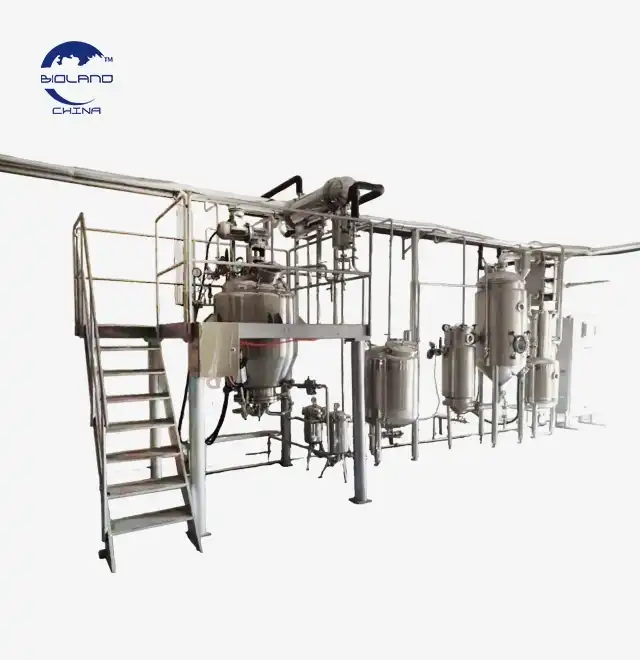
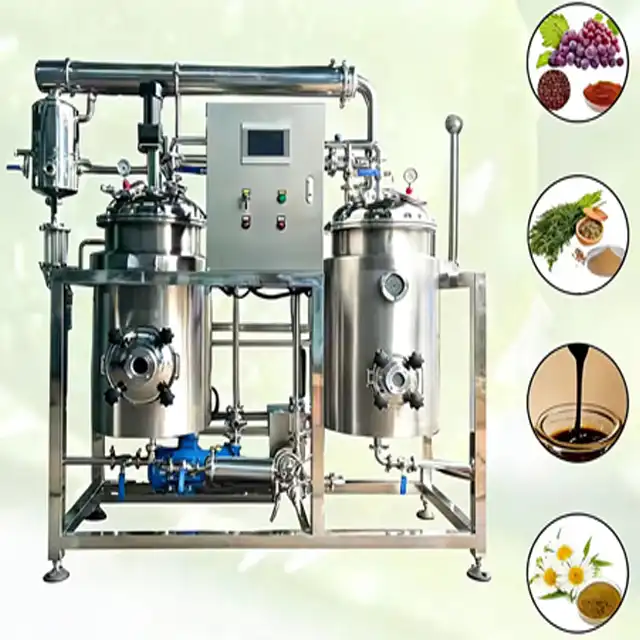
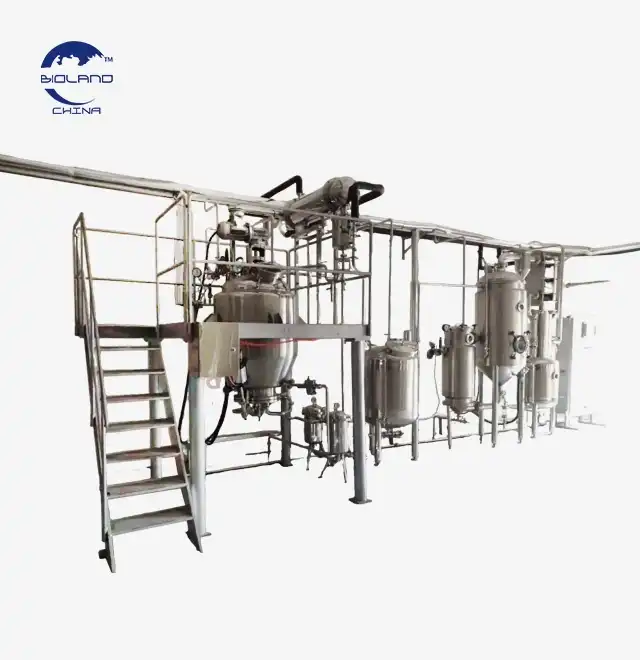
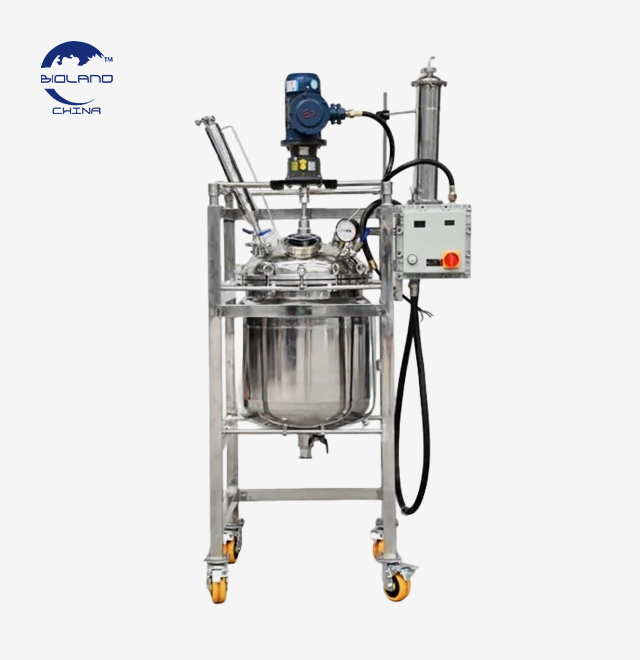
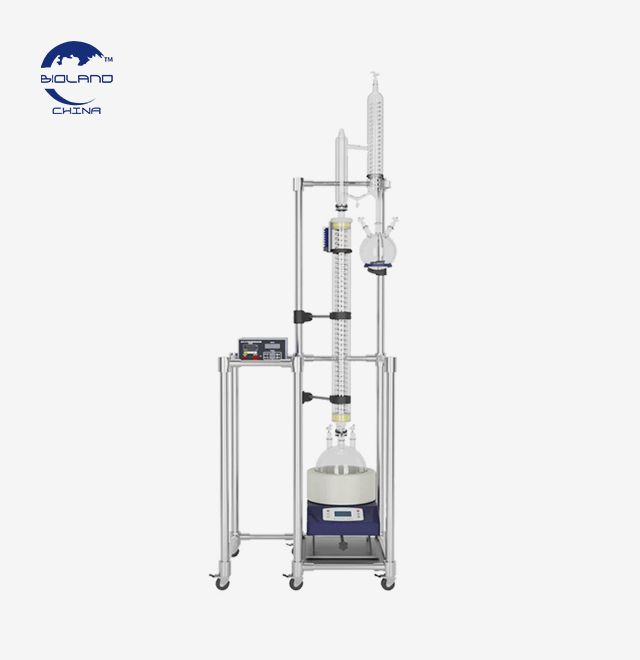
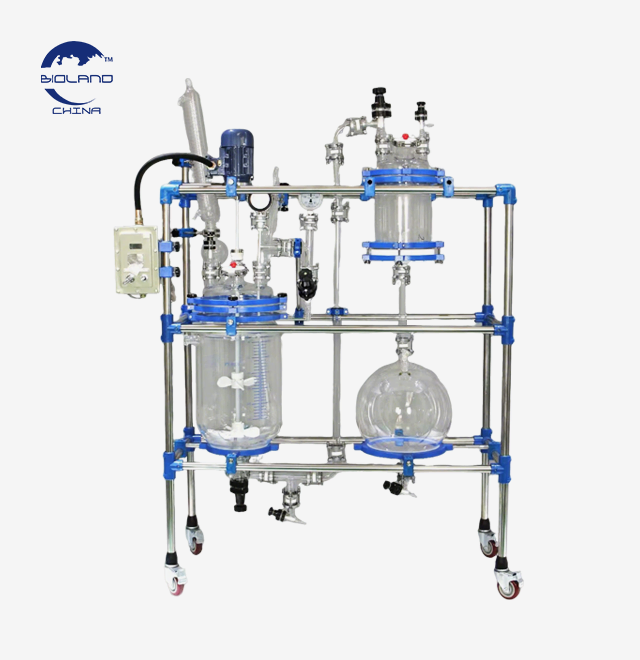
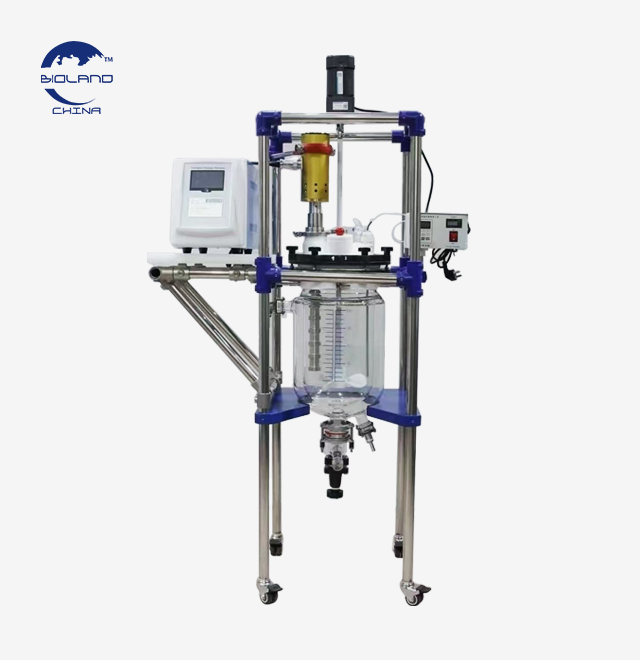
The ultrasonic system, extraction tank, tubular heater, evaporator, condenser, oil–water separator, oil collector, herb–liquid pump, metering tank, storage tank, filter, vacuum pump and distribution cabinet make up a full ultrasonic extraction and concentration system. To stop carryover, demisters are fitted on the steam outlets of the extraction tank and evaporator. There is a clear order to how it works: add the raw materials, then add the solvent at the right ratio for the process. Extract at the temperature you set, and then move the liquid to the concentration tank. Vacuum evaporation concentrates it to the right specific gravity while the condensed solvent cycles back for another extraction pass. If you know about this process, you can check any quote for ultrasonic extraction equipment—every step must be there, the right size, and equipped with the right tools.
Comparing Equipment Features for Industrial Needs
Not price lists, but automation depth, material quality, process range, and proven uses are what industrial buyers should look at when comparing ultrasonic extraction equipment. The following features make it possible for one system to run mushroom polysaccharides on Monday and a propolis tincture on Wednesday. They also make cleaning and validation easy and speed up the changeover process.
Automation: PLC Control and Continuous Operation
A smart PLC electrical control system, live concentration tracking, automatic release, and an automatic in-line cleaning (CIP) system are all built into modern ultrasonic extraction equipment. Together, these allow continuous feeding, continuous release, and fully automatic pipelined concentration. This means that workers no longer have to operate valves by hand but can instead watch over things. Automation is not a nice-to-have for plants that work multiple shifts; it's how ultrasonic extraction equipment makes sure that the quality of each batch is the same, with a smaller, safer crew and full data trails for audits.
Build Quality: SUS304/316L Stainless Steel and GMP Design
Parts of industrial ultrasonic extraction equipment that get wet are made of SUS304 or 316L stainless steel. The equipment has three layers of insulation to keep it cool and protect the user, as well as CIP cleaning for guarantyd cleanliness and a GMP-compliant plan. In pharmaceutical, colour, food and drink, animal and plant, and chemical fields, this structure can be used for atmospheric extraction, water decoction, wet soaking, hot reflux, circulating percolation, aromatic oil extraction, and organic solvent recovery. Strong steel and careful welding are still what matter most, not the number of features. This is because they are measured over decades of daily use.
Multi-Process Capability in a Single System
Many processes can be done on the same platform: ultrasonic low-temperature extraction, room-temperature ultrasonic extraction, solvent extraction, Soxhlet-style dynamic extraction, hot-reflux extraction, water precipitation (alcohol precipitation), and percolation can all be done on the same system, whether the pressure is negative, atmospheric, or positive. This is the reason why ultrasonic extraction equipment can often replace two or three old machines when plants are upgraded and a chilli oleoresin extraction plant can share a line with a pigment campaign without having to spend the same amount of money on both.
Chilli oleoresin is an example of a field. A spice grinder that made capsaicin and chilli oleoresin had to deal with long liquid soaks and batches that didn't have the same level of heat. When they switched to Bioland instrument ultrasonic extraction equipment, they were able to standardise 35-minute ethanol cycles close to 50°C. This stopped capsaicin release and made the oleoresin colour values consistent enough that they didn't need to be mixed again for customer checks.
Propolis is a field example. A company that sells propolis had to get flavonoids and phenolic acids out of raw resin without heating them up. Ultrasonic-assisted extraction and ethanol recovery in the concentration section of their propolis extraction machine have been combined. Runs now end at 40–50°C, which protects the actives while the reflux loop recovers solvent for the next batch and lowers the cost per kilogram of extract.
Application Cases Across Industries
In the field, mushroom carbohydrates are an example. Traditional hot-water extraction took over two hours and still left glucans in the growing body, according to a health food company that was trying to get reishi polysaccharides out of it. With ultrasonic extraction of polysaccharides on a Bioland device, cavitation broke the cell walls of the fungi in 30–40 minutes. Yields of reishi and shiitake mushrooms went up, and low temperatures kept the extracts bright for high-end recipes.
Tea tinctures are an example of a field. An ultrasonic tincture extraction machine was used instead of weeks of ethanol maceration to make herbal tinctures. The same ethanol can now move the full amount of active ingredients in less than 40 minutes per batch. This meets seasonal demand spikes that maceration schedules never had time for, and online concentration monitoring confirms the strength of the tincture in real time.
This pattern can be seen in a machine that extracts caffeine and chemicals from coffee beans, flavonoids from ginkgo leaves, bamboo leaves, chrysanthemum buds, and sophora flowers, and pigments from plants, including anthocyanin, betalain, carotenoid, and chlorophyll sources. Well-designed ultrasonic extraction equipment is not a single-use tool but a base.
Understanding Supplier Capability and Support
The machine itself is only part of the deal; the provider is what makes the deal work or not. When choosing suppliers of ultrasonic extraction equipment, Bioland instrument carefully looks at certifications, the ability to customise, the dependability of delivery, and the level of technical support. This is where most buying failures start.
Certifications and Quality Assurance
Bioland Instrument has both CE and ISO certifications, and all of their products meet GMP and FDA standards. For buyers in controlled markets, this means that the ultrasonic extraction equipmentcomes with recorded quality systems instead of just claims. This cuts down on the time needed for audits and speeds up the time it takes to get medicine, food, and beauty goods on the market. Certification also shows that the manufacturing process is disciplined: consistent welding, materials that can be tracked, and controlled testing that pay off in years of reliable service.
OEM/ODM Customization and Lead Times
Bioland instrument is happy to take OEM and ODM orders, whether you choose a standard model from the catalogue or need engineering help for a unique application. Customised equipment usually ships within 30 working days, and non-customized items are ready in 5–7 days. You can send them by sea, train, or air freight. Because of this, rising brands can choose the exact setup they need, such as the tank size, ultrasonic power density, control philosophy, or utility connections, without having to pay for a custom project.
Production Transparency and After-Sales Service
During production, a dedicated specialist keeps an eye on your order every week by sending you photos or videos that show real progress on your ultrasonic extraction equipment. When the goods are finished, we send you detailed pictures or videos to look over. We won't ship them until you say it's okay, or you can set up a Factory Acceptance Test (FAT) at our facility. A quality guarantee for one year and servicing for life protect the investment after delivery. Senior technician experts and a highly trained customer service team are also there to help.
Engineering Expertise Behind Every System
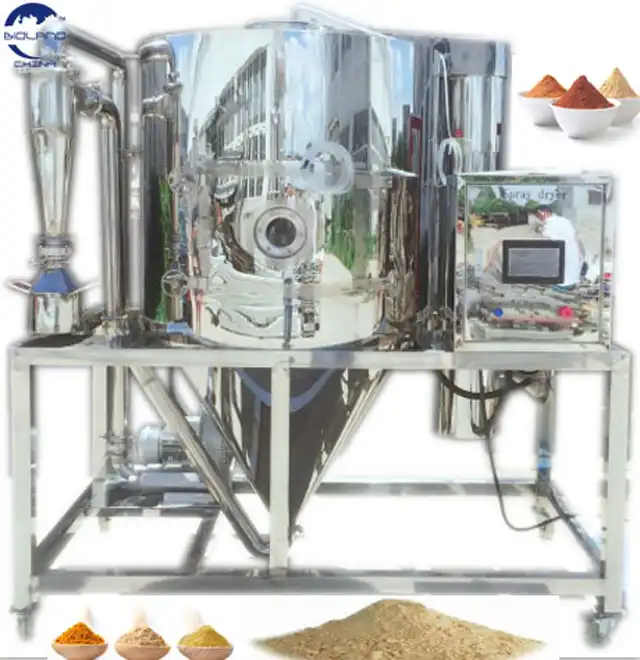
Bioland instrument designs not only ultrasonic extraction equipment but also the whole process ecosystem that goes with it. This includes ethanol extraction machines, CO₂ and supercritical fluid extraction systems, extraction–concentration units, reactors, filtration, crystallisation, spray dryers, freeze dryers, and the heating, cooling, and vacuum devices that keep everything running smoothly. This range is important because extraction is only one part of the process. The concentration, solvent recovery, and utility stages must all work together. A supplier who knows how the whole process works will be able to recommend much better ultrasonic extraction equipment for your specific needs.
Planning Equipment Investment for Production Growth
Along with the purchase order, smart procurement looks at the asset's economics, scalability, and roadmap over the next three years to see how they fit with growth. Ultrasonic extraction equipment is very good for growth because it gets cheaper as more is used. This is because shorter cycles mean more extracts can be made each day, lower temperatures mean less energy is used per kilogram of extract, and cleaner extracts mean less purification work needs to be done at every step further down the line.
Total Cost of Ownership and Energy Economics
Not the price of the tools, but the cost per kilogram of finished extract. Shorter cycles mean more batches per shift; operating at 40–60°C means less steam is used per cycle; and fewer impurities mean cheaper separation and purification further down the line. When you add back the liquid that was lost in the reflux-condensation loop, an ultrasonic extraction equipment line that is well-run can often beat the cost of running the old process within the first year.
Scaling from Laboratory to Pilot Production
As an example, think about flavonoids and quercetin. A company that makes functional ingredients tested ultrasound to help extract quercetin from sophora buds. They started on a 50L R&D system, where they did rutin precursor workups along with flavonoid trials on ginkgo leaf and bamboo leaf. Scaling up to 300L ultrasonic extraction equipment directly copied parameters, such as uniform shape, power density, and PLC logic, once the process locked. This means that the tested recipe now runs every day.
Natural colours are an example of a field. When using standard ways to remove orange-peel colourant and anthocyanins, the colour faded because of the heat. Low-temperature ultrasonic cycles at 40–50°C kept the chromophores and increased the pigment intensity per batch. The betalain, carotenoid, and chlorophyll campaigns can now use the same equipment, and the CIP changeover between runs has been proven to work.
A Phased Roadmap for Growing Manufacturers
Successful Bioland instrument clients always follow the same plan: test on a 50L or 100L system, show that it makes economic sense at 200L to 300L, and then add parallel trains as demand calls for them. Customised configurations ship in about 30 business days, while standard models ship in 5–7 days. This means that decisions about expansion can be based on demand rather than trying to guess what it will be. Before you buy, give our engineers your two-year volume forecast. The tank you choose should match the tank that is already in your growth plan. That's the difference between buying a product and buying ultrasonic extraction equipment.
Conclusion
Choosing ultrasonic extraction equipment is ultimately about commissioning a solution, not acquiring a machine. The right system delivers 50–500% higher extraction rates, 24–40 minute cycles, gentle 40–60°C processing, GMP-compliant SUS304/316L construction, and PLC-driven automation as one integrated extraction–concentration platform. Judge every supplier by proven field cases—stevia glycosides, mushroom polysaccharides, chilli oleoresin, propolis, tea polyphenols, flavonoids, and natural pigments—as well as CE/ISO certification, OEM/ODM speed, and transparent after-sales support. With more than 15 years of engineering experience, in-house R&D, and full lifecycle service, Bioland Instrument stands ready to turn your process bottleneck into competitive advantage. Define your process problem first, then let the five pillars in this guide drive a confident purchase.
FAQ
Q1: How much yield improvement can ultrasonic extraction equipment deliver?
A: Typically 50–500% above traditional methods, with batch cycles of just 24–40 minutes.
Q2: Which tank size fits my operation?
A: From 50L (20 kg/h evaporation) for lab R&D up to 500L (200 kg/h) for pilot production lines.
Q3: Does it support ethanol and organic solvents?
A: Yes—water, ethanol, methanol, and acetone, with solvent recovered through the condensation loop for reuse.
Q4: What are lead times and warranty terms?
A: 5–7 days for standard models, about 30 business days for customized systems, plus a one-year warranty and lifetime maintenance.
Q5: Can we inspect the machine before shipment?
A: Yes—weekly production photos or videos, final inspection media, or an on-site Factory Acceptance Test (FAT).
Ready to Transform Your Extraction Process? Partner with Bioland Instrument Today
Every day spent struggling with low yields and long cycles is margin left on the table. Bioland Instrument delivers more than machines—we deliver complete extraction solutions. Our CE- and ISO-certified ultrasonic extraction equipment combines 50–500% higher extraction rates, 24–40 minute cycles, gentle 40–60°C processing, and GMP-compliant SUS304/316L construction, all engineered in-house by a team with more than 15 years of experience and trusted by clients across Europe and Southeast Asia. Whether you need a standard model in 5–7 days or a customized OEM/ODM system within 30 business days, our engineers will review your raw material, target compound, and production volume—then recommend the exact configuration that pays for itself fastest. Email info@biolandequip.com now and claim your tailored solution.
References
1. Chemat, F., Rombaut, N., Sicaire, A.-G., Meullemiestre, A., Fabiano-Tixier, A.-S., & Abert-Vian, M. "Ultrasound Assisted Extraction of Food and Natural Products. Overview, Principles, and Applications." Innovative Food Science & Emerging Technologies, vol. 37, 2017.
2. Vilkhu, K., Mawson, R., Simons, L., & Bates, D. "Applications and Opportunities for Ultrasound Assisted Extraction in the Food Industry — A Review." Innovative Food Science & Emerging Technologies, vol. 9, no. 2, 2008.
3. Huang, S. Q., & Ning, Z. Y. "Extraction of Polysaccharide from Ganoderma lucidum and Its Immune Enhancement Activity." International Journal of Biological Macromolecules, vol. 47, no. 1, 2010.
4. Wang, L., & Weller, C. L. "Recent Advances in Extraction of Nutraceuticals from Plants." Trends in Food Science & Technology, vol. 17, no. 7, 2006.
5. Esclapez, M. D., García-Pérez, J. V., Mulet, A., & Cárcel, J. A. "Ultrasound-Assisted Extraction for Natural Products. Engineering and Process Aspects." Food Engineering Reviews, vol. 3, no. 2, 2011.
6. Lemus-Mondaca, R., Vega-Gálvez, A., Zura-Bravo, L., & Ah-Hen, K. "Stevia rebaudiana Bertoni, Source of a High-Potency Natural Sweetener: A Comprehensive Review on the Biochemical, Nutritional and Functional Aspects." Food Chemistry, vol. 132, no. 3, 2012.
The reactor is beautifully mirror-polished and fully complies with GMP requirements for the pharmaceutical industry. The performance is excellent! Overall, we are very satisfied! We also provided with some feedback on our process improvements, which we hope will be helpful.
2024-04-09
Laboratory
Excellent and professional service. Always reply our questions very fast. All reactors and chiller we received are good too.
2024-02-15
Research Institute
Quality is beyond our expectation actually. After we got the extraction equipment and started using it, the performance was beyond our expectation. Very easy to use and very efficient to run. Service always respond us very quickly. Was also very helpful to help us. Thanks Bioland team. Very happy to work with you.
2023-11-20
Biotech Company
We are happy about the new purchase as always. Equipment and services are both good.
2023-08-05
Instrument Lab
This is the second order with Bioland instrument and everything is good as the first dateText.
2023-05-12
Global Trading Partner
Bioland instrument team is very helpful and professional. The sales helped us select the right equipment for our application, and their logistics people handled the transportation and customs declaration for our shipment. All that saved us a lot of work.