How Ultrasonic Extraction Equipment Boost Cell Disruption for Natural Plants?
Nov 11, 2026
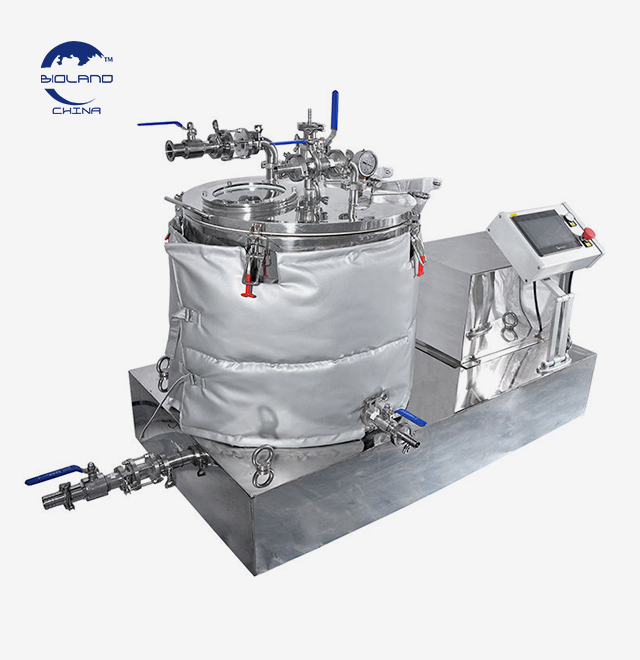
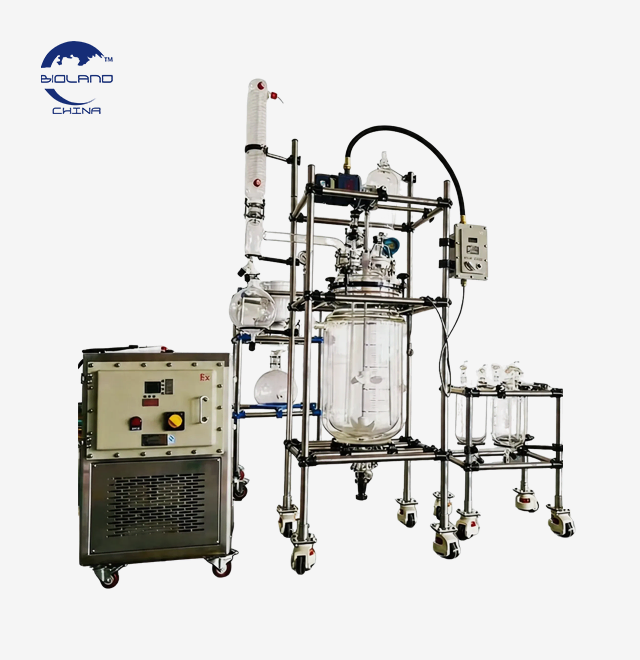
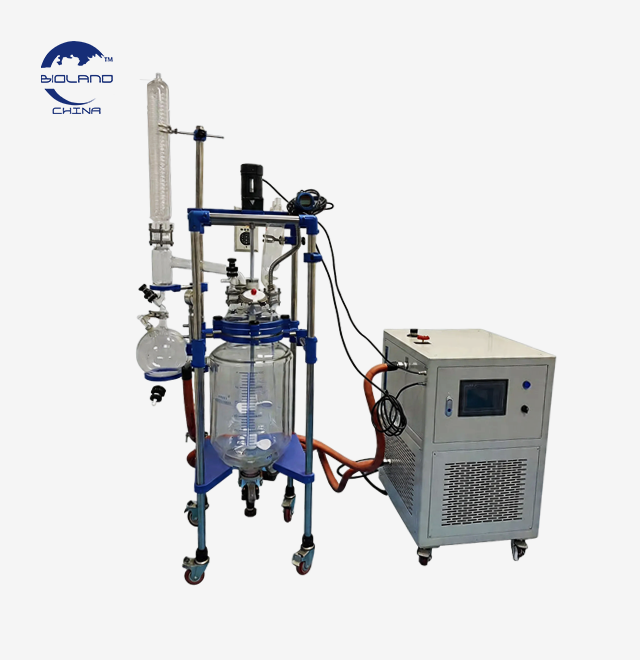
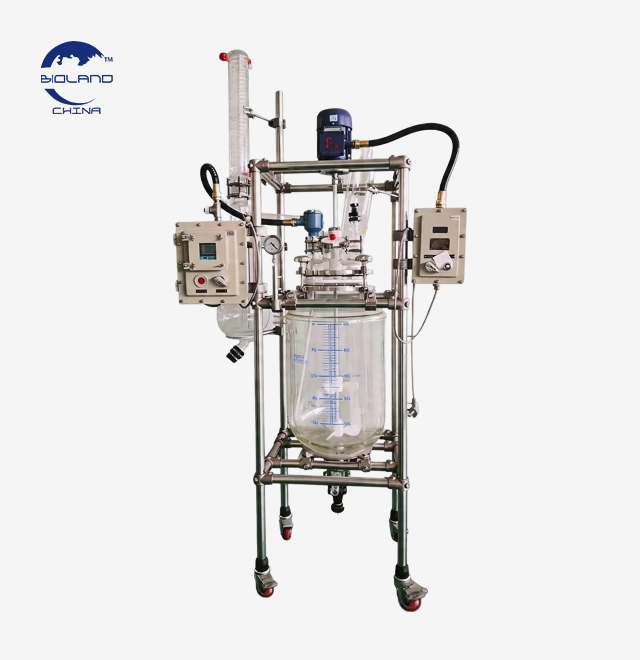
There are often valuable compounds locked inside the strong cell walls of natural plants, medicinal herbs, mushrooms, tea leaves, spices, and functional food materials. A lot of the carbohydrates, flavonoids, tannins, colors, and essential oils may not be released during traditional soaking or heat extraction. Bioland instrument's ultrasonic extraction equipment of mushroom uses ultrasonic cavitation to break or reshape plant cell walls, improve solvent entry, and speed up the release of target ingredients under controlled conditions. It helps processors get better extract quality, shorter production cycles, and lower operating temperatures by making extraction more efficient.
Manufacturers of mushroom polysaccharides can improve extraction from Ganoderma lucidum, shiitake, tremella, enoki, and other fungal materials by using ultrasonic extraction equipment. Bioland Instrument offers full process solutions instead of just one extraction tank. These solutions include extraction, filtration, vacuum concentration, solvent recovery, and PLC automation.
Understanding Ultrasonic Cavitation for Cell Breakdown
Ultrasonic cavitation is the main method of mushroom extraction using ultrasonic extraction equipment. Ultrasonic waves make a lot of tiny bubbles when they move through a wet surface. It's very fast for these bubbles to grow and shrink, which causes turbulence, micro-jets, and changes in pressure. This physical action makes plant cell walls weaker, tissue structures more open, and the contact between solvents and bioactive compounds inside the plant better. Manufacturers don't have to rely on high temperatures or long soak times alone to break down cells faster and more effectively. They can also use ultrasound energy.
Plant materials have lignin, pectin, hemicellulose, cellulose, and other structural components that stop solvents from penetrating. Chitin and complicated carbohydrate structures can also be found in the cell walls of mushrooms. In regular extraction tanks, it might take a while for the solvent to get deep into the raw material. The ultrasonic extraction equipment of mushroom from Bioland instrument helps to break down and distort the cell walls, allowing water, ethanol, or mixed fluids to reach more extractable chemicals. This is especially helpful for tough plant materials with dense tissue structures.
Controlled Energy Supports Gentle Processing
It's important that the cell breakdown is strong enough to release the target chemicals but managed enough to keep the sensitive ingredients safe. Many botanical applications can be successfully carried out at temperatures between 40°C and 60°C thanks to the low-temperature processing capabilities of Bioland instrument ultrasonic extraction equipment. Polysaccharides that are sensitive to heat, flavonoids, phenolic substances, volatile oils, and natural colors can all be protected within this range. By not having to boil things at high temperatures for long periods of time, producers can better keep the compound's activity, smell, color, and usefulness.
From Raw Material to Extractable Liquid Phase
Putting ready-to-use raw materials into the extraction tank and adding water, ethanol, methanol, acetone, or another good process solvent is the first step in the extraction sequence. The ultrasonic extraction equipment of mushroom then uses ultrasonic energy based on the extraction program that has been chosen. Cavitation helps spread out materials and move solvents around, which lets soluble compounds move into the liquid phase. Once the liquid has been extracted, it can be filtered, sent to the concentration system, and further processed to make a powder, liquid extract, syrup, or standardized active ingredient.
Improving Compound Release Through Cell Disruption
Higher Release of Mushroom Polysaccharides
A problem that many mushroom growers have is that the old way of extracting mushrooms with hot water can take a long time to process, but the used material still contains valuable sugars. Ganoderma, shiitake, tremella, enoki, and other functional fungi can all be extracted using Bioland instrument ultrasonic extraction equipment of mushroom. Ultrasonic cell disruption makes it easier to release parts inside cells and along cell walls. This makes it a solid base for making mushroom extract, immune-supporting ingredients, health food powder, and nutraceuticals.
Case Application: Ganoderma Polysaccharide Production
A company that processes ganoderma might need to raise the amount of polysaccharides it makes without causing more damage or using more energy. The problem is that Ganoderma tissue is dense, and batches that have been boiled for a long time can become uneven. Ultrasonic extraction, circulation, filtration, and vacuum concentration can all be done with a custom ultrasonic extraction equipment of mushroom solution. This makes the process easier to control, cuts down on the time needed for extraction, makes cleaning easier later on, and gives makers of Ganoderma polysaccharide products better accuracy.
Better Access to Flavonoids and Phenolic Compounds
Flavonoids, polyphenols, and phenolic acids are found in a lot of herbs and farm waste that are hard to get rid of through normal soaking. The Bioland instrument ultrasonic extraction equipment of mushroom can also be used to extract flavonoids from ginkgo leaves, bamboo leaves, chrysanthemum, lotus leaves, onion skin, ginger, Sophora japonica, and other botanical materials. Cavitation-assisted extraction makes it easier for the solvent to get in touch with small plant particles. This helps get more of the target compounds out of the plant and cuts down on the need for too much heat treatment.
Quercetin and Botanical Active-Ingredient Recovery
Cell disruption must work well for companies that make quercetin, rutin, quercitrin, and other similar flavonoid chemicals. You can use things like larch, celery, mulberry leaves, cypress, Sophora japonica, and medicinal herbs to help extract quercetin with ultrasound. For water-based, ethanol-based, or mixed-solvent processes, Bioland instrument ultrasonic extraction equipment offers adaptable extraction conditions. This means that the system can be used for projects that need cleaner and more concentrated extracts, like those for dietary supplements, cosmetic actives, botanical drinks, and pharmaceutical intermediates.
That compound must be soluble in the solvent. Mushroom polysaccharides, plant proteins, tea ingredients, and compounds that dissolve in water are often mixed with water. Flavonoids, propolis, tinctures, polyphenols, and some pigments are often mixed with ethanol and water. Different types of mushroom processing can be done with Bioland instrument's ultrasonic extraction equipment of mushroom. These include ultrasonic low-temperature extraction, solvent extraction, room-temperature extraction, reflux extraction, dynamic Soxhlet-style extraction, percolation, water precipitation, and alcohol precipitation. For reliable performance, the right solvent ratio, grinding, and material loading are all very important.
Temperature, Time, and Ultrasonic Intensity
The best conditions for extraction should be chosen based on the properties of the raw material and the goals for production. Ultrasonic extraction equipment of mushroom can get the job done in 24 to 40 minutes, which is much less time than many other methods. Particle size, stickiness, extraction temperature, ultrasonic power, fluid content, and movement speed all affect how well the process works. Bioland instrument engineers can help customers choose operating conditions that are good for their needs in terms of energy use, extraction yield, compound stability, and the need for downstream filtration.
Case Application: Tea Polyphenol and Coffee Alkaloid Extraction
Long cooking processes can make it hard for a tea grinder to recover polyphenols well or keep the taste from becoming too cooked. Use of mushroom ultrasonic extraction equipment in a tea extraction machine can help get more of the polyphenols, amino acids, flavonoids, aromatic oils, and volatile parts out of the tea. In coffee applications, the same process idea can be used to extract caffeine and alkaloids. With controlled ultrasonic treatment, companies can make sure that the extraction process for tea concentrates, functional beverages, coffee extracts, and natural ingredient formulations is always the same.
Equipment Capacity Must Match Production Demand
Bioland instrument offers various models for production in the lab, on a small or medium scale, and in large-scale industries. There are 50 L, 100 L, 200 L, 300 L, and 500 L models in the BL-TN-C line. A variety of mushroom-specific ultrasonic extraction equipment of mushroom can evaporate anywhere from 20 kg/h to 200 kg/h, depending on the model chosen. The system vacuum can go as low as -0.085 MPa, and the jacket pressure is usually set between 0.09 and 0.3 MPa. This lets customers choose tools based on the size of the batch, their goals for liquid recovery, and the concentration level they need.
Technology parameter
Model
BL-TN-C50L
BL-TN -C100L
BL-TN -C200L
BL-TN -C300L
BL-TN -C500L
Volume (L)
50
100
200
300
500
Evaporation capacity (kg/h)
20
50
70
100
200
Motor power(KW)
2.7
2.7
2.7
3.5
3.5
Steam consumption(kg/h)
25
60
90
120
250
System vacuum (MPa)
-0.085
-0.085
-0.085
-0.085
-0.085
Pressure of jacket(MPa)
0.09~0.3
0.09~0.3
0.09~0.3
0.09~0.3
0.09~0.3
Compressed air (MPa)
0.5~0.6
0.5~0.6
0.5~0.6
0.5~0.6
0.5~0.6
Evaporation temperature(°C)
60~100
60~100
60~100
60~100
60~100
Enhancing Extraction Efficiency of Plant Materials
Stevia Glycoside Extraction From Leaves and Stems
While keeping solvent use and processing time under control, stevia producers need to get the sweet steviol glycosides out of the leaves, stems, and roots as quickly and efficiently as possible. Soaking plants in water may not fully reach fibrous plant tissues. Using ultrasonic cavitation to improve cell breakage and solvent diffusion, Bioland instrument's ultrasonic extraction equipment of mushroom can be converted into a stevia extraction machine. The solution can be combined with steps for filtration, concentration, and purification. This helps manufacturers make a stevia glycoside extraction line that works better and consistently produces high-quality products.
Chilli Oleoresin and Capsaicin Recovery
Capsaicin, chili oleoresin, and natural red colors need to be extracted from chilies without lowering output or making filtering difficult. A Chili Oleoresin Extraction Plant made of mushroom ultrasonic extraction equipment enhances solvent interaction with chili material and supports more effective release of oil-soluble compounds. The process can help make capsaicin extracts, chili oleoresin, and capsanthin-rich colorants for use in food, taste, cosmetics, and specialty chemicals as long as the right solvent recovery and vacuum concentration units are used.
Propolis Extraction With Ethanol-Based Processing
Propolis has useful flavonoids, phenolic acids, and other natural active ingredients, but it can be hard to get the ingredients out because propolis is resinous. A company that makes propolis might have problems with slow extraction, partial dissolving, and uneven ingredient concentration. A propolis extraction machine method that combines ultrasonic help with ethanol extraction can be supported by Bioland instrument ultrasonic extraction equipment of mushroom. The method makes it easier for the ethanol to mix with the raw propolis matrix, which helps makers get a more consistent extract before filtering, liquid recovery, reduction, and standardization of the finished product.
Plant Pigments, Essential Oils, and Functional Ingredients
Natural colorant and essential oil makers need to use gentle methods for extraction that keep the color, scent, and active ingredients safe. Orange peel pigments, anthocyanins, carotenoids, chlorophyll, and betalains can all be extracted from plants using Bioland instrument ultrasonic extraction equipment of mushroom. It can also help separate rose oil, peppermint oil, herbal flavor oils, aromatic ingredients linked to valerian, wheat germ oil, goji active substances, plant proteins, tea juice, and functional food ingredients. One adjustable tool can help with the growth of more than one product.
Industrial Benefits of Advanced Cell Disruption Technology
Integrated Extraction and Concentration System Design
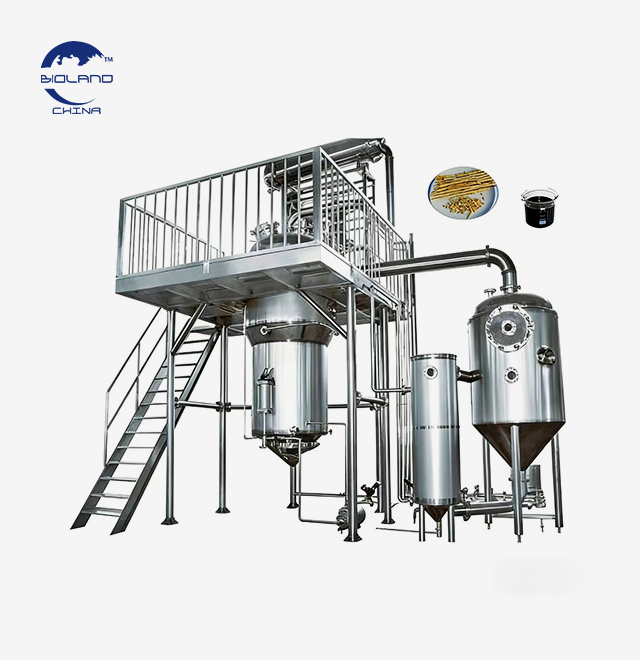
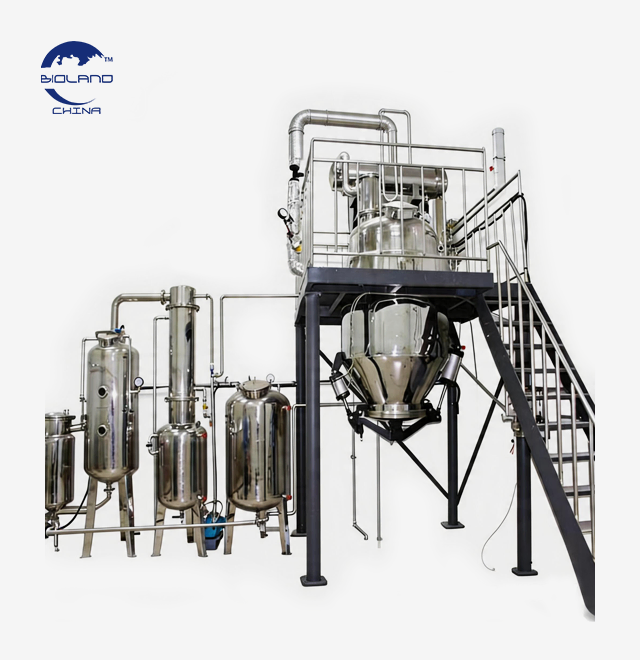
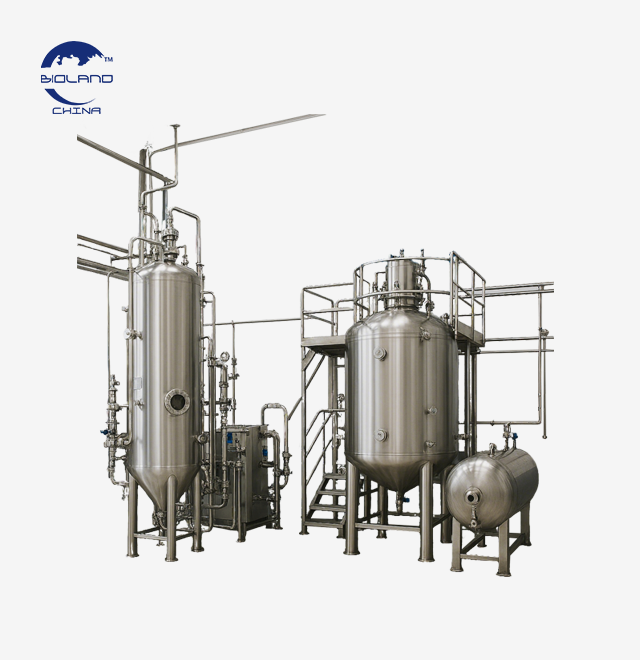
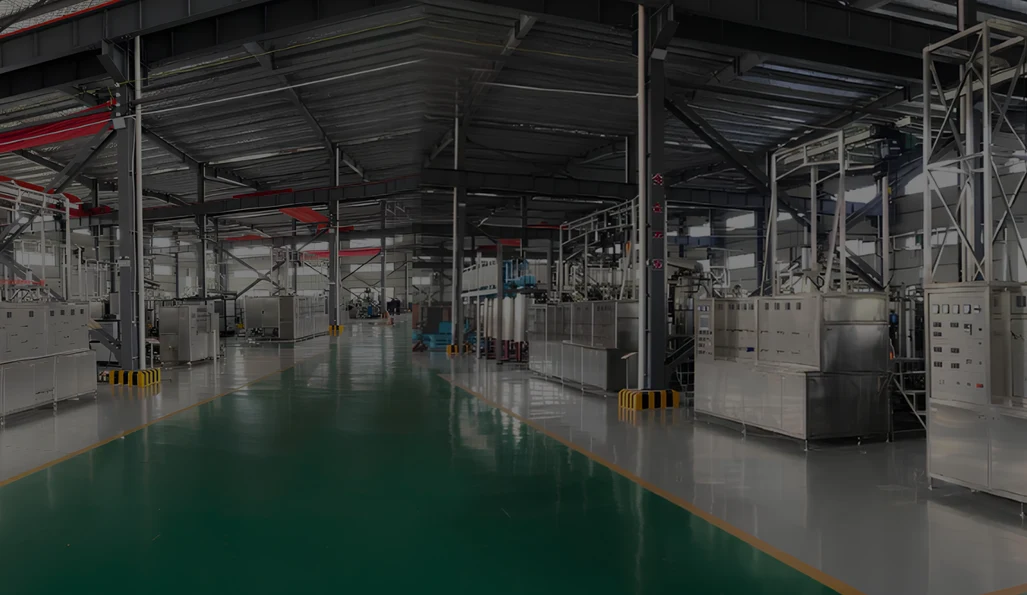
Bioland instrument doesn't just deal with cell damage on its own. An ultrasonic system, extraction tank, tube heater, evaporator, condenser, oil separator, oil collection tank, material pump, measure tank, storage tank, filter, vacuum pump, and electrical control cabinet are all components of a full ultrasonic extraction equipment system of mushroom. At vapor outlets, demisters can be put in place to cut down on entrainment. An optional thermal-oil heating system can be chosen by buildings that don't use steam heating. Customers can cut down on the time it takes to do extraction, filtration, solvent recovery, and concentration by using this integrated configuration.
Vacuum Concentration Protects Product Value
The liquid can be moved to a concentration tank while it is under vacuum after it has been extracted. During concentration, Bioland instrument ultrasonic extraction equipment can keep the pressure level between -0.05 and -0.09 MPa. Lower-pressure operation lowers the solvent's boiling point, which helps keep temperature-sensitive ingredients safe while the liquid is being reduced. Secondary vapor can go through coolers and condensers to turn into a condensed solvent that can be used again. This helps the flow of solvents, lowers costs, and makes the extraction process more environmentally friendly.
PLC Automation, CIP Cleaning, and GMP-Oriented Construction
Hygiene and accuracy are very important for customers who offer ingredients for food, makeup, health goods, or pharmaceuticals. PLC controls, online concentration monitoring, automatic discharge, options for continuous feeding, and CIP online cleaning systems are all available on Bioland instrument ultrasonic extraction equipment of mushroom. Most equipment is made from SUS304 or SUS316L stainless steel and has three layers of insulation and a design that is focused on good manufacturing practice (GMP). These features help workers keep track of the settings for extraction, make cleaning easier, lower the risk of cross-contamination, and get more stable results from batch to batch.
Engineering Support Beyond Equipment Delivery
Xi'an Bioland Instrument Co., Ltd. has been making equipment for more than 15 years that can be used for vacuuming, heating, cooling, reaction, separation, filtration, purification, mixing, drying, heating, and concentration. Each piece of mushroom ultrasonic extraction equipment can be backed by an in-house R&D and tech team. The business offers OEM/ODM services, process customization, freight options by sea, rail, and air, a quality warranty for one year, and maintenance for life. Customers can get photos or videos of the production process every week, as well as full inspection records and plans for Factory Acceptance Testing before the shipment.
Conclusion
Ultrasonic cell disruption is a useful method for people who want to get higher-value natural extracts from things like tea, herbs, mushrooms, spices, pigments, and functional plants. Ultrasonic extraction can shorten processing times, improve chemical release, and support lower-temperature production by using cavitation to break cell structures and make it easier for solvents to get inside. Bioland instrument's ultrasonic extraction equipment of mushroom systems do everything in one: they extract, filter, concentrate under vacuum, recover solvents, automate, and design to fit your needs. With the right setup of tools, it is possible to turn tough problems with extracting raw materials like propolis flavonoids and chili oleoresin into a stable and scalable production process.
FAQ
1. What materials can ultrasonic extraction process?
It can process mushrooms, medicinal herbs, tea, coffee, stevia, propolis, chili, pigments, essential oils, and plant proteins.
2. Is ultrasonic extraction suitable for polysaccharides?
Yes. It is widely used for Ganoderma, shiitake, tremella, enoki mushroom, and goji polysaccharide extraction.
3. What is the normal extraction temperature?
Many heat-sensitive botanical applications operate effectively at approximately 40–60°C.
4. Can the equipment use ethanol?
Yes. It supports water extraction, ethanol extraction, and selected solvent-based extraction processes.
5. Does Bioland instrument offer customized capacity?
Yes. OEM/ODM solutions are available from laboratory scale to industrial production lines.
Ready to Solve Your Difficult Plant Extraction Challenge?
Bioland Instrument is more than an equipment manufacturer—we are a process-solution partner for botanical, mushroom, food, cosmetic, pharmaceutical, and nutraceutical producers. Our ultrasonic extraction equipment of mushroom combines efficient cell disruption, low-temperature extraction, vacuum concentration, GMP-oriented stainless-steel construction, PLC automation, CE and ISO quality assurance, and customized OEM/ODM engineering. Whether you need a mushroom polysaccharide line, tea polyphenol system, stevia extraction machine, propolis production unit, or chilli oleoresin plant, our experienced team can help design the right solution. We provide transparent production follow-up with weekly photos or videos, final inspection support, and optional FAT arrangements. Contact Bioland Instrument at info@biolandequip.comto discuss your raw material, target compound, capacity, and process requirements.
References
1. Chemat, F., Zill-e-Huma, and Khan, M. K. Applications of Ultrasound in Food Technology: Processing, Preservation and Extraction.
2. Vinatoru, M. An Overview of the Ultrasonically Assisted Extraction of Bioactive Principles from Herbs.
3. Tiwari, B. K. Ultrasound: A Clean, Green Extraction Technology.
4. Chemat, F., Rombaut, N., Sicaire, A. G., Meullemiestre, A., Fabiano-Tixier, A. S., and Abert-Vian, M. Ultrasound Assisted Extraction of Food and Natural Products.
5. Tao, Y., Zhang, Z., and Sun, D. W. Experimental and Modeling Studies of Ultrasound-Assisted Extraction of Phenolic Compounds from Food and Plant Materials.
6. Wang, L., and Weller, C. L. Recent Advances in Extraction of Nutraceuticals from Plants.
The reactor is beautifully mirror-polished and fully complies with GMP requirements for the pharmaceutical industry. The performance is excellent! Overall, we are very satisfied! We also provided with some feedback on our process improvements, which we hope will be helpful.
2024-04-09
Laboratory
Excellent and professional service. Always reply our questions very fast. All reactors and chiller we received are good too.
2024-02-15
Research Institute
Quality is beyond our expectation actually. After we got the extraction equipment and started using it, the performance was beyond our expectation. Very easy to use and very efficient to run. Service always respond us very quickly. Was also very helpful to help us. Thanks Bioland team. Very happy to work with you.
2023-11-20
Biotech Company
We are happy about the new purchase as always. Equipment and services are both good.
2023-08-05
Instrument Lab
This is the second order with Bioland instrument and everything is good as the first dateText.
2023-05-12
Global Trading Partner
Bioland instrument team is very helpful and professional. The sales helped us select the right equipment for our application, and their logistics people handled the transportation and customs declaration for our shipment. All that saved us a lot of work.