How to Choose an Extraction Concentration Unit by Capacity
Nov 17, 2026
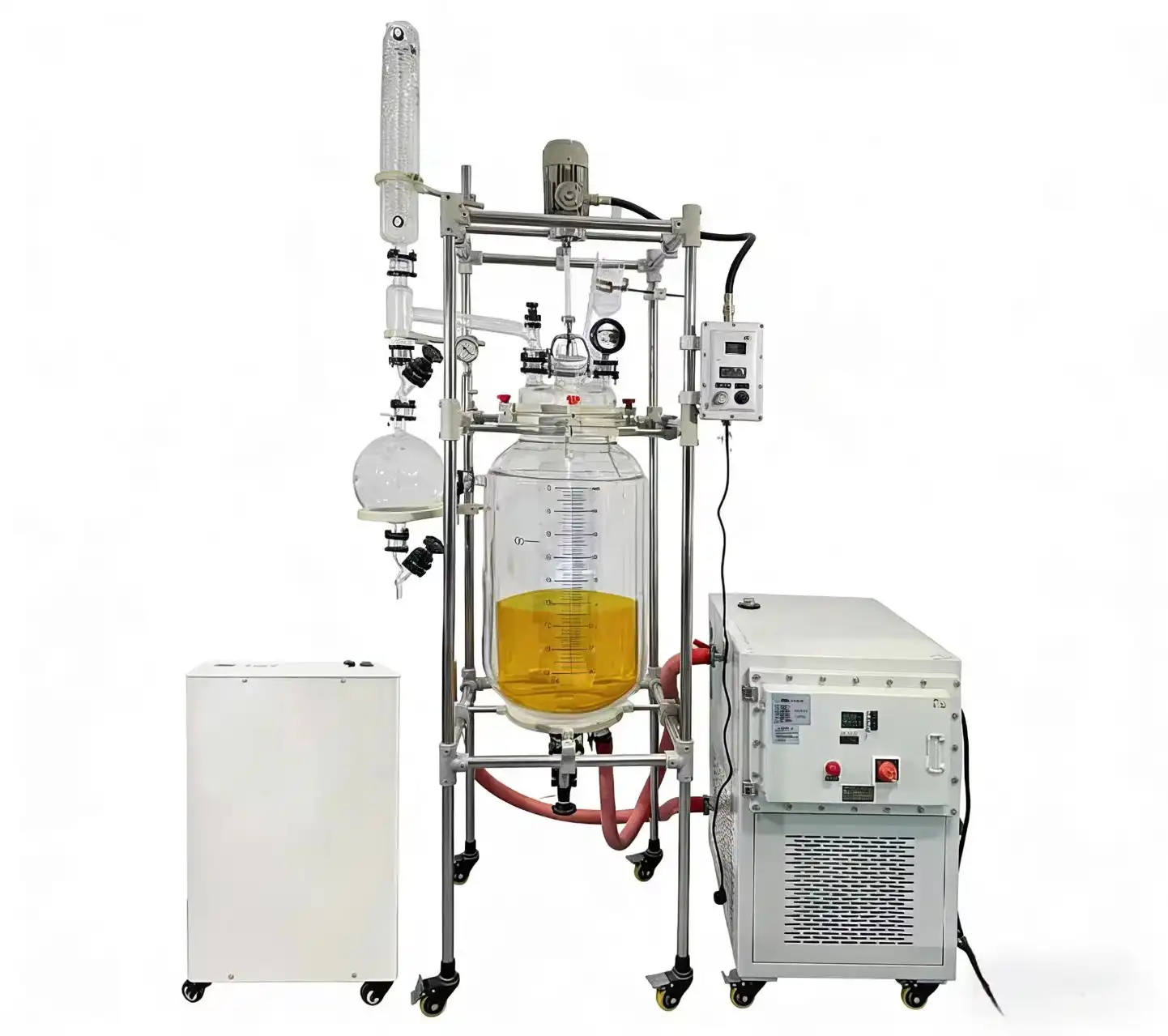
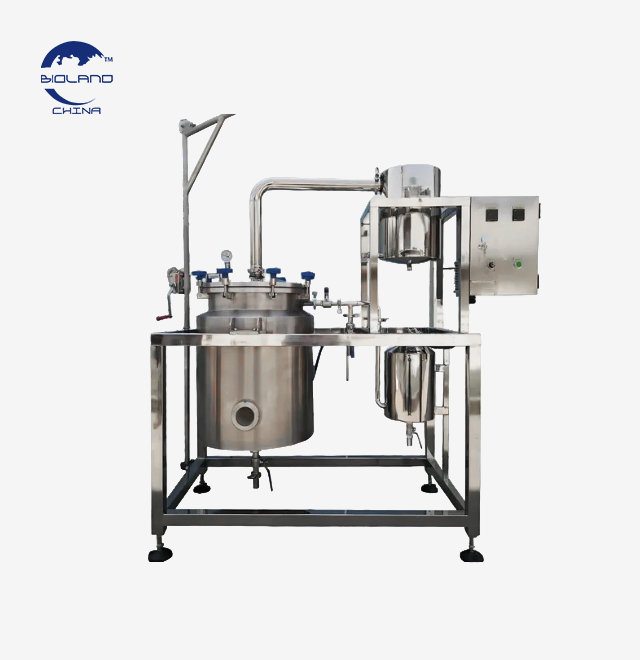
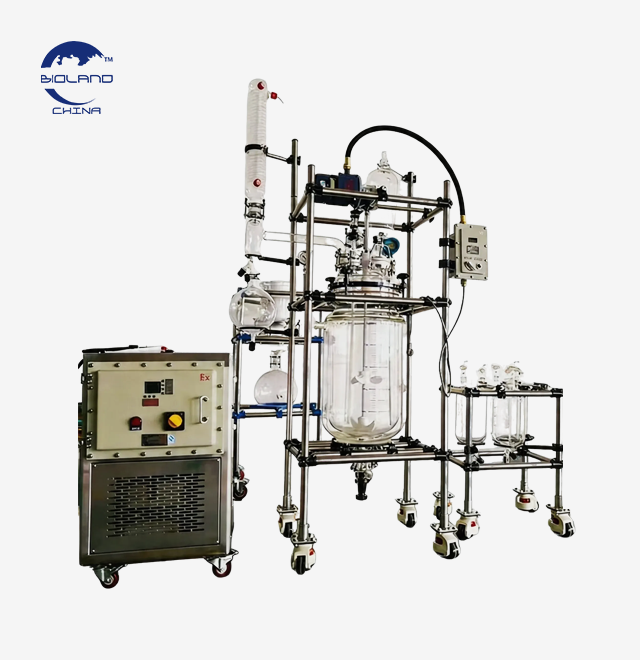
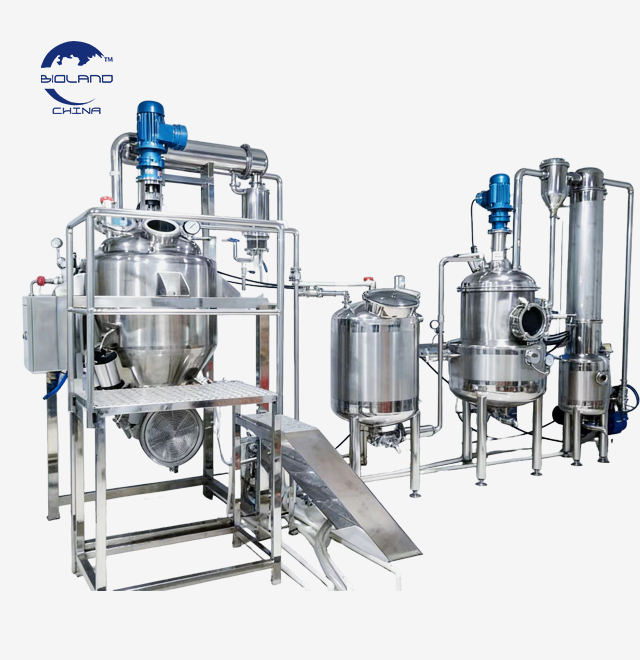
It's not enough to just buy the biggest tank you can afford when choosing an extraction concentration unit by size. The right system should be able to handle the amount of feed you have, get rid of the solvent at the right rate, keep your valuable ingredients safe, and work with your production schedule. There is a range of extraction concentration units from Xi'an Bioland Instrument Co., Ltd. that have listed evaporation capacities from 20 to 200 kg/h and nominal volumes from 50 to 500 L. With its built-in vacuum concentration, condensation, extraction, and possible automatic controls, capacity selection is part of a full process solution, not just a piece of equipment bought on its own.
The following examples of applications show how to go about sizing different kinds of products. Real output, recovery, and product quality should be checked by trying the feed and agreeing on a process design.
Key Factors That Determine Processing Capacity
Start With the Output Your Business Needs
Figure out how much finished concentrate you need per shift and what its solids content should be before you compare models. That question can't be answered by an extraction concentration unit that is rated by tank volume alone; two feeds that take up the same volume may have very different amounts of solvent that can be removed. Write down the feed's make-up, density, working hours, estimated cleaning time, and the daily batch count.
"Can we concentrate extracts from leaves, stems, or roots before the next extraction batch is ready?" might be a useful question for someone who grows stevia. The extraction concentration unit should be the right size for the production rhythm that is coming in. Bioland instrument can help connect the needs for extraction and concentration to a steviol-glycoside production line design instead of just suggesting a tank based on its stated capacity.
Protect Product Quality While Increasing Throughput
It doesn't matter how much output you have if the handling conditions make it impossible to get the extract you want. Bioland instrument's ultrasonic system can help with extraction at temperatures between 40°C and 60°C if the material allows it. Its listed evaporation temperature range is 60°C to 100°C. These are different steps in the process. When choosing an extraction concentration unit, you should think about the ingredient's temperature range, the stay time, and the pressure conditions.
Think about a tea-polyphenol line that needs to keep a good taste profile. The operator needs to be able to evaporate enough without assuming that putting in the most heat is always the best option. The process team can find the best settings for tests using an extraction concentration unit with a vacuum concentration that can be controlled and a condenser that is the right size. The same selection rule works for plant colors high in anthocyanins and other products that are sensitive to quality.
Check the Entire Line, Not Just the Vessel
One capacity chain is made up of extraction, filtration, transfer, evaporation, condensation, and discharge. If filtration or solvent condensation slows things down, a fast extractor won't make more per day. Ask for a line-level flow diagram that shows pumps, filters, heating surfaces, condensers, receivers, vacuum equipment, and the cleaning setup when you specify anextraction concentration unit.
For instance, a company that makes mushroom polysaccharides might use reishi or shiitake extracts that have fine grains floating in them. Its filtration and transfer capacity, as well as its extraction concentration unit, need to be looked at to make sure the evaporator gets the right feed. Bioland instrument sells equipment for heating, cooling, vacuuming, separating, and extracting, so these different parts of the process can be talked about together when designing it.
Batch Processing vs. Continuous Concentration Systems
Choose Batch Operation for Changing Recipes
When a facility works with a lot of different plants, solvents, or target concentrations, batch processing is often the best option. The schedule for a single extraction concentration unit can be based on set charges and end points. Cleaning and switching units are also part of the production plan. So, capacity should be shown in terms of the number of batches that can be made in a shift, not just the number of kilograms that evaporate every hour.
Imagine that a contract manufacturer switched back and forth between making a herbal tincture and an ethanol extract of propolis. It's possible that each product needs its own directions on how to filter, handle solvents, and concentrate. The right extraction concentration unit depends on the size of the batch, the time it takes to switch between batches, and the amount of heat it can handle. Bioland instrument's OEM/ODM support can help buyers choose the right vessel configuration, materials, and controls based on their approved recipes.
Use Continuous Flow Where Feed Supply Is Steady
Continuous feed and discharge can make sense if the extraction upstream keeps the flow steady for long production runs. Bioland instrument talks about choices like PLC control, online tracking of concentration, automatic release, and online cleaning. For this job, an extraction concentration unit still needs the right-sized feed storage, pumps, heaters, condensation, and gathering further downstream; automation does not get rid of these technical needs.
If a company that makes tea extracts wanted to add a line of tea polyphenols, they might store watered-down extract while they wait for concentration batches to finish. That line could be cut down by a continuously fed extraction concentration unit if tests show that the feed is stable and the rate of evaporation is fast enough. Full-line hourly flow, staffing, cleaning intervals, and required process records should be compared before making a purchase decision. Automation features should not be compared on their own.
Compare Useful Output Across a Full Shift
When comparing batch and continuous, it's fair to look at start-up, loading, cooking, concentration, release, and cleaning. If you don't pay attention to the times when the extraction concentration unit isn't draining, it may not make as much sellable concentrate per shift as you thought it would. Before deciding on either configuration, make a realistic operating schedule.
This is shown by a chili oleoresin project. During certain times of the year, the customer may need to deal with a lot of chili extract that contains capsaicin. Later, they may want to run smaller campaigns. It might be helpful to be able to change the schedule of a batch extraction concentration unit, but a continuous setup might be better for steady high-volume feed. Bioland can look at the predicted season, the plan for liquid recovery, and the services that are accessible.
Matching Evaporation Rates to Production Requirements
Calculate How Much Solvent Must Leave
To figure out the right size, you need to do a mass balance: find the starting feed mass, its solids fraction, and the final solids fraction you want. The difference between them shows how much solvent needs to be taken away. Then, that removal task and the time available should be used to choose an extraction concentration unit, with an actual operation factor added in instead of an imagined label estimate.
To give you an example, 240 kg of extract with 10% solids has 24 kg of solids in it. At 40% end solids, it turns into 60 kg of concentrate and needs about 180 kg of liquid to be taken away. At a rate of 100 kg/h, a 300 L extraction concentration unit would need at least 1.8 hours to evaporate its contents before it could be loaded, heated, emptied, or for performance reasons to be taken into account.
Read Rated Capacity Alongside Utility Demand
Bioland instrument has five models, each with an evaporation rate of 20, 50, 70, 100, or 200 kg/h: 50, 100, 200, 300, and 500 L. They say that they use 25, 60, 90, 120, and 250 kg/h of steam. If the place doesn't have the right warmth, cooling, power, compressed air, and pressure, the extraction concentration unit can't do its job.
Parameter
Type
Voltage
Volumn (L)
Heating Method
Cooling Area(m2)
Power (kw)
BL-JT-50
Three-phase 380/220V
50
Electric heating
1
10
BL-JT-100
100
1.5
12
BL-JT-200
200
2
18
BL-JT-300
300
3
25
BL-JT-500
500
Steam heating
4
2.2
BL-JT-1000
1000
8
3
So, someone who wants to buy the 500 L type for a goji-berry polysaccharide line should look into more than the 200 kg/h loss rate that is mentioned. In addition, the extraction concentration unit needs a utility plan that fits its 250 kg/h steam use and condenser load. Ask Bioland to confirm the rating based on the real solvent, feed concentration, and conditions that will be used.
Validate the Rate With the Real Extract
As a liquid thickens and its properties change, so can the rate at which it evaporates. A grade that has been made public is a good first step, but it doesn't mean that it will work the same way on every version. Before you finish the model for an extraction concentration unit, you should give some example samples and set the goal limit, the range of temperatures that are appropriate, and the liquid recovery requirements.
This is important for extracting plant pigments because it means a company can switch from a weak citrus peel pigment extract to a strong color ingredient. If you specify the extraction concentration unit correctly, it should meet the goal without counting on a rate that stays the same throughout the batch, which isn't always possible. Trial data can also help choose a condenser and set up a standard way of doing things for the production staff to follow.
How Feed Volume Affects Equipment Sizing
Separate Nominal Volume From Working Charge
Even though the nameplate says 200 L, that doesn't mean that every recipe needs to start with 200 L of liquid. You may need to account for mixing, bubbling, airflow, and the working limits of the vessel. When asking for an extraction concentration unit, be clear about the working charge you want to use, and make sure the proposed extraction and concentration vessels can handle both the liquid and the production method.
Let's say that a company that makes coffee extract plans to use 150 liters of feed but expects bubbling to change during concentration. If you only look at the nominal volume to choose an extraction concentration unit, you might not leave enough room for error. The buyer tells Bioland instrument's engineering team about the feed properties and the caffeine-containing extract specifications they want. This helps them figure out the right vessel size, condenser duty, and operating controls.
Account for Solvent Ratio and Extraction Yield
How much water or ethanol is used upstream affects the amount that goes into the concentration. Ultrasonic help can make extraction more effective, but the results depend on the material, particle size, solvent, temperature, and time. Bioland instrument suggests 24–40 minutes as a possible extraction window for certain uses; tests should be done to find the exact cycle. The filtrate volume that is made needs to be handled by an extraction concentration unit.
If you try to separate quercetin or flavonoids from leaves or other plant parts, you might get good results, but you might end up with more watery liquid than the evaporator can dry. You should not pick an extraction concentration unituntil you have tested the suggested solvent ratio and found out how much recoverable filtrate is in each batch. This links the performance of extraction to the concentration duty, which determines the daily finished output in the end.
Specify Materials and a Workable Process Route
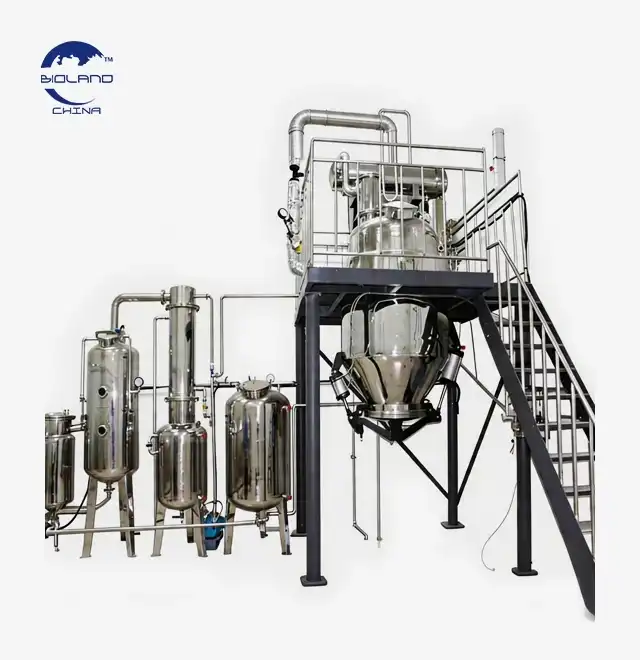
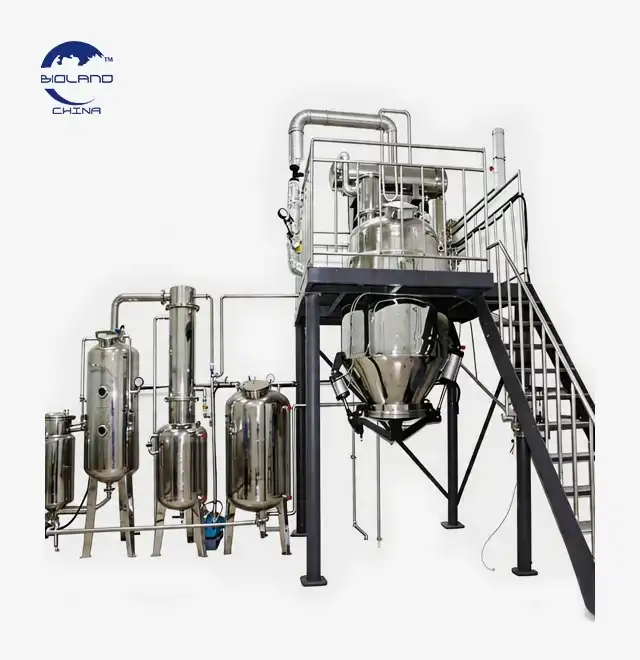
Bioland instrument talks about different ways to build with SUS304/316L stainless steel, shielded tanks, different types of clean-up procedures (CIP), and different setups for solvent or water extraction, reflux, and vacuum concentration. An ultrasonic system, an extraction tank, a tubular heater, an evaporator, a condenser, a filter, pumps, receivers, and a vacuum system are all common parts of an extraction concentration unit. The final layout should meet the needs for product contact, cleaning, and safety on the job site.
The steps in making an ethanol-based propolis extract are extraction, filtration, concentration, condensation, and handling the solvent. The specification for the extraction concentration unit should list seals and materials that work well together, the right ventilation and electrical safety measures, and how the recovered solvent will be checked before it is used again. The choices made here keep the production plan in check and help make the flavonoid- and phenolic-acid-rich extract that was wanted.
Evaluating Scalability for Future Production Needs
Plan the Next Capacity Step Now
If you only buy for today's smaller run, you might have to buy more tools sooner than planned. But, too much size may make small-batch operation harder. Compare the current and expected feed amounts to Bioland instrument's 50–500 L range. This will help you figure out when you would need another extraction concentration unit or a bigger production line.
A business that sells mushroom extracts might start with research batches and then add reishi and shiitake polysaccharide products. A plan for a scalable extraction concentration unit looks at things like shared utilities, room for another vessel, and how fast filtration and drying can grow. Bioland instrument's range of laboratory, pilot, extraction, and drying equipment supports this broader conversation without making the mistake of thinking that a single machine will solve all future problems.
Build Documentation and Maintenance Into Expansion
As a business grows, it needs more workers, so it stays open longer and keeps stricter records and cleaning standards. Choose the extraction concentration unit that has the controls, access, and paperwork that the market you want to reach needs. Bioland instrument says that its equipment is made for GMP-compliant processes and that the company has CE and ISO certifications. For your order, ask for the model-specific paperwork and certificates that are important to it.
When making things related to food, cosmetics, or drugs, the buyer is still responsible for process validation and site compliance. A well-documented extraction concentration unit can help with that work, but buying equipment doesn't mean you're following the rules by itself. Early on, talk about how to clean, how to train operators, where to do inspections, and how to get to the repair area. This is especially important if a test process will later be repeated at a higher rate.
Request a Capacity Proposal You Can Verify
The best plan lists the feed base, the supposed working schedule, the mass balance, the utilities, the process steps, and the results that are expected. Ask Bioland instrument to show you how its suggested extraction concentration unit fits your line. A trial or Factory Acceptance Test (FAT) should also be done to make sure of this. This changes a comparison of models into a choice for engineers.
Bioland instrument provides OEM/ODM support, a quality guarantee that lasts for one year, and upkeep support that lasts a lifetime. Its team says it sends photos or videos of production every week, followed by detailed inspection materials before a shipment is approved. Customers can also set up a factory FAT. For a stevia, tea, chili, or goji line, don't just ask for a catalog quote; ask for an extraction concentration unit proposal that is based on your specific feed and output goals.
Conclusion
Choosing a capacity starts with setting a measurable production goal and figuring out how much solvent needs to be removed. It then moves on to working volume, operating time, utilities, product quality, and planning for future growth. Bioland instrument's 50–500 L range gives you a few options to start with, but the best extraction concentration unitis the one that works for the whole process. For example, an evaporation grade of 100 kg/h only means something when the feed, concentration limit, and working hours are known. Share some feed data and ask for a line-level review whether you make stevia glycosides, tea polyphenols, chili oleoresin, or mushroom polysaccharides. Before you order, test and write down your performance assumptions to make sure they are correct. This way, the equipment can be chosen based on your production problem instead of a tank-size label.
FAQ
Q: Is tank volume the same as working capacity?
A: No. Confirm the permissible charge for your feed and operating method.
Q: How do I estimate evaporation time?
A: Divide the solvent mass to remove by the validated evaporation rate, then add time for other steps.
Q: Which models are listed?
A: Bioland lists 50, 100, 200, 300, and 500 L models.
Q: Can one system handle different botanicals?
A: Often, subject to recipe, materials, cleaning, and solvent-compatibility review.
Q: Can I request a custom extraction concentration unit?
A: Yes. Bioland offers OEM/ODM specifications and factory acceptance testing.
Turn Your Capacity Question Into a Production Plan
What is slowing your line: too much dilute extract, an evaporator that cannot keep up, or uncertainty about the next scale-up step? Send Bioland Instrument your feed volume, solvent, target concentration, shift schedule, and available utilities. With more than 15 years in process-equipment manufacturing, an in-house technical team, OEM/ODM support, and a portfolio spanning extraction through drying, Bioland instrument can help develop an extraction concentration unit specification around the whole workflow. Ask about model-specific documentation, cleaning and control options, production-progress updates, and a FAT before shipment. You will receive a more useful starting point than a price based on vessel size alone: a capacity discussion grounded in the product you intend to make. Contact info@biolandequip.com to begin.
References
1. Xi’an Bioland Instrument Co., Ltd. Extraction Concentration Unit: Product Specifications and Process Description.
2. Green, D. W., and Southard, M. Z., eds. Perry’s Chemical Engineers’ Handbook. 9th ed. McGraw-Hill Education, 2019.
3. McCabe, W. L., Smith, J. C., and Harriott, P. Unit Operations of Chemical Engineering. 7th ed. McGraw-Hill, 2005.
4. Chemat, F., et al. “Ultrasound Assisted Extraction of Food and Natural Products: Mechanisms, Techniques, Combinations, Protocols and Applications. A Review.” Ultrasonics Sonochemistry, vol. 34, 2017, pp. 540–560.
5. U.S. Food and Drug Administration. 21 CFR Part 211: Current Good Manufacturing Practice for Finished Pharmaceuticals.
6. Codex Alimentarius Commission. General Principles of Food Hygiene, CXC 1-1969.
The reactor is beautifully mirror-polished and fully complies with GMP requirements for the pharmaceutical industry. The performance is excellent! Overall, we are very satisfied! We also provided with some feedback on our process improvements, which we hope will be helpful.
2024-04-09
Laboratory
Excellent and professional service. Always reply our questions very fast. All reactors and chiller we received are good too.
2024-02-15
Research Institute
Quality is beyond our expectation actually. After we got the extraction equipment and started using it, the performance was beyond our expectation. Very easy to use and very efficient to run. Service always respond us very quickly. Was also very helpful to help us. Thanks Bioland team. Very happy to work with you.
2023-11-20
Biotech Company
We are happy about the new purchase as always. Equipment and services are both good.
2023-08-05
Instrument Lab
This is the second order with Bioland instrument and everything is good as the first dateText.
2023-05-12
Global Trading Partner
Bioland instrument team is very helpful and professional. The sales helped us select the right equipment for our application, and their logistics people handled the transportation and customs declaration for our shipment. All that saved us a lot of work.