Plant Extraction Equipment: Batch or Continuous for Your Process?
Sep 22, 2026
One of the most important choices a botanical extractor will ever have to make is between batch processing and continuous processing. Throughput, product accuracy, labour prices, and, finally, your bottom line are all affected by it. Whether you are building a multi-product facility for plant pigments and essential oils, scaling up a lab recipe for tea polyphenols, or starting up a full-capacity line for stevia glycosides, the way your plant extraction equipment is set up will determine how well you turn raw biomass into high-quality extracts. This detailed guide explains the main differences between batch and continuous systems, looks at how they affect quality control and production capacity, and gives you useful information to help you choose the setup that best fits your business needs. Xi'an Bioland Instrument Co., Ltd. has over 15 years of engineering experience and has worked on many real-world projects. This blog is meant to give you the information you need to make an informed decision.
How Do Batch and Continuous Extraction Systems Differ?
Defining the Batch Extraction Model
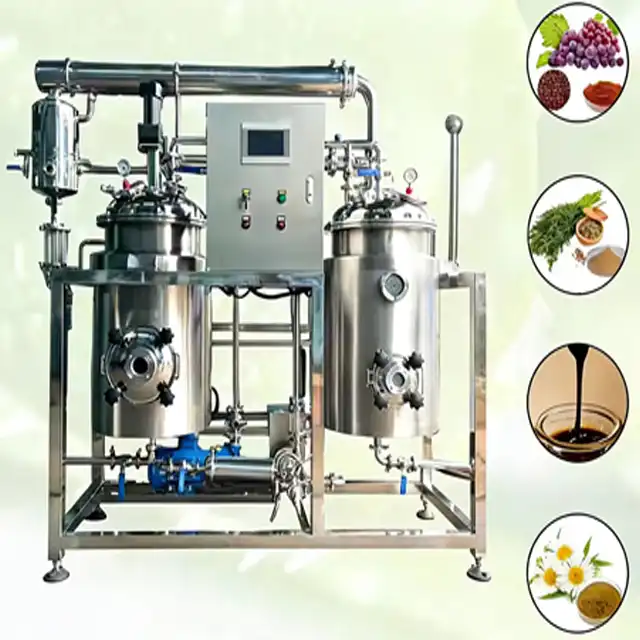
In a single cycle, a batch extraction system works on a set amount of raw material. The person in charge puts herbs, botanicals, or plant matter into the extraction tank. They then add the right liquid, which could be water, ethanol, or something else. Finally, they start the extraction process. After the cycle is over, the used biomass is thrown away, the extract is gathered, and the tank is cleaned so that the next batch can start. This plan is the oldest way of doing things and is still used by many small to medium-sized businesses. Modern Bioland Instrument batch plant extraction equipment has smart PLC controls, automated dosing, and built-in extraction-concentration capabilities. It comes with 50L to 500L vessels, so it can be used for R&D, pilot production, and mid-scale commercial production.
Understanding the Continuous Extraction Model
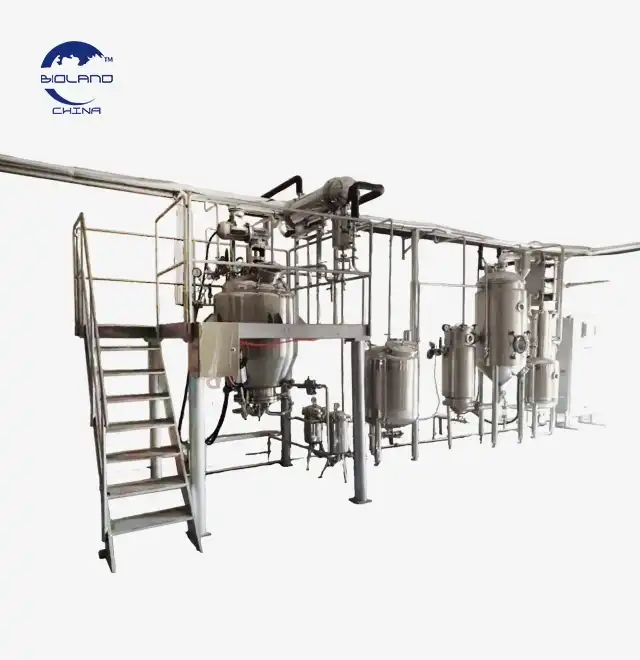
Continuous extraction, on the other hand, is meant to keep the flow going. A steady flow of raw materials and solvents enters the system. The material moves through the processing zone, and extraction takes place as it goes. The extract and used material are then released at the same time, without stopping the system. This method is designed for producers who need to keep up a steady flow of work around the clock. In a continuous configuration, advanced plant extraction equipment can include ultrasonic-assisted extraction zones, real-time concentration monitoring, and automated solvent recycling. This makes a smooth, closed-loop production line with less downtime and more output per operational hour.
Key Structural and Operational Distinctions
There are big changes in structure between these two arrangements. Batch systems are based on a single extraction tank that can do more than one thing. It has jackets that can heat and cool it, agitators, and ultrasound sensors. Continuous systems, on the other hand, use a group of modules that are all piped together and connected to each other. These modules include feed hoppers, extraction columns or chambers, separators, and mechanisms for continuous discharge. Bioland Instrument's plant extraction equipment is made to run continuously and is made with SUS304/316L stainless steel, CIP (Clean-in-Place) systems, and GMP-compliant layouts to make sure it works well, is clean, and meets all the rules in industries like biopharmaceuticals and food and beverage manufacturing.
Which Model Fits Your Current Scale?
For companies processing under 500 kg of raw material per day across multiple botanical varieties, a batch system typically offers the best balance of flexibility and cost. For operations exceeding 1,000 kg per day with a single, consistent feedstock—such as a dedicated tea extraction machine line or a large-scale chilli oleoresin extraction plant—the continuous model delivers unmatched efficiency. Bioland's engineering team routinely conducts feasibility assessments, helping clients map their current and projected volumes to the optimal plant extraction equipment configuration, ensuring the investment scales with the business.
Which System Offers Better Control Over Extraction Parameters?
Precision Control in Batch Operations
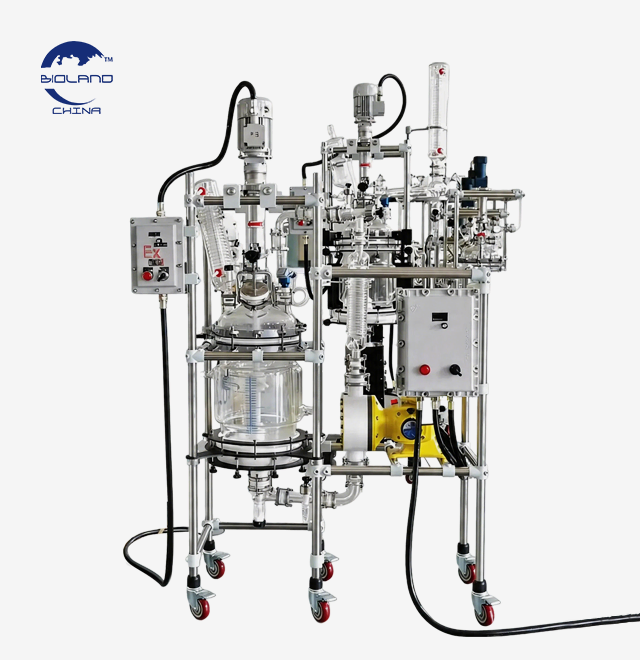
Batch processing offers a distinct advantage when it comes to parameter precision for individual runs. Because each batch is a self-contained process, operators can fine-tune temperature, ultrasonic power, solvent ratio, and cycle time for every specific load. This is invaluable when processing diverse botanicals—a ginkgo biloba flavonoid extraction may require different parameters than a propolis flavonoid separation. Modern plant extraction equipment from Bioland instrument features touchscreen HMI interfaces with programmable recipe storage, allowing operators to recall validated parameters instantly. This level of control ensures each batch meets exact specifications, critical for pharmaceutical and nutraceutical applications where consistency is non-negotiable.
Consistency Through Steady-State Processing
While batch systems excel in flexibility, continuous systems excel in consistency. Once a continuous process reaches its steady state—where input rates, temperatures, and pressures are stabilized—it produces extract of remarkably uniform quality over extended runs. There is no batch-to-batch variation caused by loading inconsistencies or vessel cleaning cycles. For a client running a large-scale stevia extraction machine operation, this translated to a coefficient of variation (CV) of less than 2% in glycoside concentration across consecutive production days, compared to a 6-8% CV they experienced with their previous batch setup. This consistency directly reduces rework and off-spec product.
Real-Time Monitoring and Automated Adjustments
Both batch and continuous plant extraction equipment from Bioland instrument are equipped with sophisticated monitoring. RTD sensors track temperature in real time, while flow meters and pressure transducers monitor solvent and extract streams. The PLC system uses this data in closed-loop control to make instantaneous adjustments—for example, modulating ultrasonic power if temperature creeps above the setpoint or adjusting solvent feed rates to maintain optimal concentration gradients. This intelligent automation removes human error from the equation, safeguarding your process and ensuring that whether you operate in batch or continuous mode, your extraction parameters are precisely maintained throughout every cycle or production run.
Case Study: Parameter Control in Quercetin Extraction
A pharmaceutical intermediate manufacturer needed to extract quercetin from Sophora japonica buds with exacting purity standards. Their challenge was that traditional batch soaking produced inconsistent flavonoid profiles. Bioland instrument provided a batch-configured plant extraction equipmentsystem with ultrasonic assist and precise temperature control at 50°C. The programmable recipe allowed them to optimize power and cycle time specifically for this botanical. The result was a 35% increase in quercetin yield with a purity variance under 1.5%, meeting their downstream pharmaceutical grade requirements and eliminating costly reprocessing steps.
How Do Batch and Continuous Processes Affect Production Capacity?
Throughput Limitations of Batch Processing
The inherent limitation of batch processing is downtime. Between each cycle, the vessel must be discharged, cleaned, reloaded, and re-initialized. For a typical 200L plant extraction equipment unit processing a 30-minute ultrasonic cycle, the total turn-around time including loading and discharge might be 50-60 minutes. Over an 8-hour shift, this allows roughly 7-8 batches. While this is sufficient for many operations, it imposes a ceiling on daily output. Scaling up often means adding more batch units in parallel, which increases capital expenditure and floor space requirements.
Uninterrupted Output with Continuous Systems
Continuous plant extraction equipment eliminates the downtime bottleneck entirely. Once the system is running, it processes material non-stop for the duration of the production campaign. A continuous line rated at 100 kg/hour of raw biomass can deliver 800 kg of processed material in an 8-hour shift without a single pause. This capability is transformative for high-demand products. For instance, a client producing tea polyphenols and aromatic oils for the beverage industry switched from batch to continuous and reported a 300% increase in daily output on the same footprint, enabling them to fulfill a major retail contract they previously could not service.
Scalability: From Pilot to Full Commercial Production
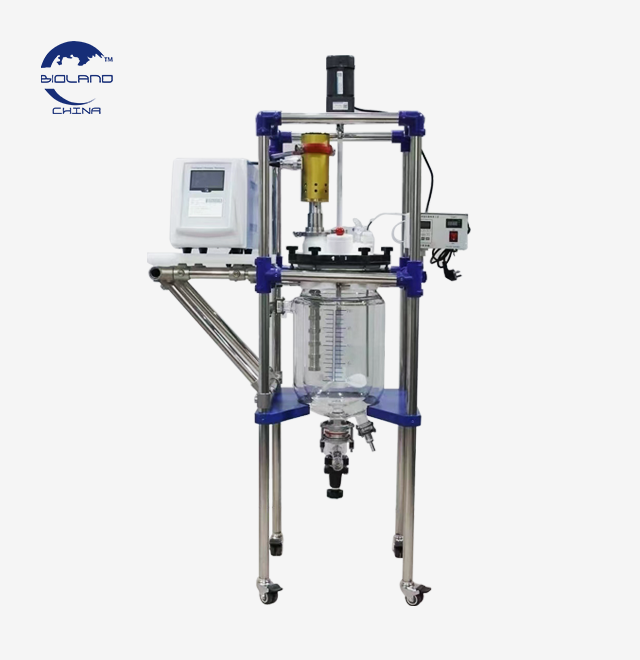
One of the greatest strengths of Bioland's plant extraction equipment portfolio is the seamless scalability it offers. A client can begin with a 50L batch unit for R&D and pilot trials, optimize their process parameters, and then scale those exact parameters to a 500L commercial batch system or transition to a continuous line. The ultrasonic technology, control logic, and core process principles remain consistent across scales. This de-risks the scale-up process. Bioland's technical team supports this journey with engineering consultation, process validation, and equipment customization, ensuring the transition from lab to full production is smooth and predictable.
Case Study: Scaling a Mushroom Polysaccharide Operation
A functional food company specializing in reishi and shiitake mushroom polysaccharides started with a 100L batch ultrasonic system. As demand grew, they needed to triple output. Rather than simply buying three batch units, Bioland engineered a semi-continuous solution where multiple extraction stages were piped together with automated feed and discharge. This hybridplant extraction equipment approach tripled their throughput while maintaining the gentle, low-temperature extraction profile (45°C) essential for preserving polysaccharide bioactivity. The client avoided a complete system overhaul and achieved their capacity target within the existing facility footprint.
Which Configuration Reduces Labor, Energy, and Solvent Consumption?
Labor Requirements: Manual vs. Automated Workflows
Batch systems, particularly smaller ones, often require more hands-on operator involvement—loading raw material, monitoring each cycle, discharging residue, and initiating the next run. While automation significantly reduces this burden, there is still an inherent start-stop labor component. Continuous plant extraction equipment, by design, minimizes operator intervention once the process is running. Operators primarily oversee the system via the HMI, perform periodic checks, and manage raw material feed supply. For a facility running two shifts, this can translate to a 40-50% reduction in direct labor allocation per kilogram of extract produced, a substantial operational cost saving.
Energy Efficiency Across the Two Models
Energy consumption is a nuanced comparison. A batch system uses energy in bursts—heating, ultrasonication, and concentration all occur within a defined cycle, followed by an idle period. A continuous system distributes energy use evenly over time. However, the continuous model avoids the repeated heating and cooling of a large vessel between batches, which is thermally inefficient. When evaluating plant extraction equipment energy profiles, Bioland's engineers consider the total energy per kilogram of extract. For high-volume, single-product operations, continuous systems consistently demonstrate 15-25% lower energy consumption per unit of output due to steady-state thermal efficiency and the elimination of cycle reset energy.
Solvent Recovery and Consumption Optimization
Solvent is one of the largest recurring costs in botanical extraction. Batch systems use a defined volume of solvent per batch, and while recovery systems reclaim a large percentage, there are losses each cycle during discharge and cleaning. Continuous systems, with their integrated and closed-loop solvent recovery—where evaporated solvent is condensed and recirculated—typically achieve higher solvent recovery rates, often exceeding 95%. For a client running an ethanol-based tincture extraction machine line, transitioning to a continuous model with integrated vacuum concentration reduced their monthly ethanol purchase by 28%, a savings that directly improved their profit margins on every bottle sold.
Case Study: Energy and Solvent Savings in Plant Pigment Extraction
A cosmetics ingredient supplier extracting anthocyanins and carotenoids from various plant sources was facing escalating energy and solvent costs on their batch line. After a detailed audit, Bioland instrument proposed a continuousplant extraction equipment solution with integrated solvent recovery and vacuum evaporation. The system maintained extraction at 50°C and concentrated under vacuum at 70°C. Within the first quarter of operation, the client documented a 22% reduction in energy costs and a 30% reduction in solvent consumption. These savings allowed them to offer more competitive pricing to their customers and reinvest the difference into expanding their product range.
How to Select the Right System for Commercial Plant Extraction
Assessing Your Product Portfolio and Variety
The first critical factor in your decision is product diversity. If your facility processes a wide variety of botanicals—perhaps ginkgo flavonoids in the morning, propolis extracts after lunch, and essential oils in the evening—a batch system's flexibility is invaluable. Each product can have its own validated recipe, and changeover between products is straightforward. If your operation is dedicated to one or two high-volume products, like a continuous stevia extraction machine line or a large-scale chilli oleoresin extraction plant, the continuous model's efficiency and consistency will deliver superior economics. Bioland's plant extraction equipment consultants help you map your product mix to the optimal configuration.
Evaluating Your Raw Material Supply Chain
Your raw material supply consistency also influences the choice. Batch processing tolerates variability in feedstock quality and availability—it can process whatever is available, when it is available. Continuous processing requires a reliable, steady feed of consistent-quality material to maintain its efficiency advantages. If your supply chain involves seasonal harvests or multiple suppliers with variable quality, batch processing with recipe flexibility built into your plant extraction equipment may be the more practical and lower-risk option. For vertically integrated operations with controlled supply, continuous systems can be fully optimized.
Considering Capital Investment and ROI Timelines
Batch systems generally require a lower initial capital investment for a given production volume, making them accessible for companies in growth phases or those entering new product lines. Continuous systems, while more expensive upfront, deliver lower per-unit operating costs at scale, resulting in a faster ROI for high-volume producers. Bioland instrument offers transparent pricing for both configurations and can model the total cost of ownership—including energy, labor, solvent, and maintenance—over a 3-to-5-year horizon. This data-driven approach ensures your plant extraction equipment investment aligns with your financial strategy and growth projections.
The Hybrid Approach: Best of Both Worlds
Increasingly, forward-thinking manufacturers are adopting a hybrid model. They use batch plant extraction equipment for R&D, small-lot specialty products, and process development, while deploying continuous lines for their high-volume, commodity-grade outputs. Bioland has engineered several such hybrid facilities, where both configurations share common utilities—chillers, solvent storage, CIP systems—maximizing infrastructure utilization. One such client, a major botanical processor in Southeast Asia, operates three batch units and one continuous line under one roof, processing everything from specialty tea extraction to high-volume ginger oleoresin, achieving both flexibility and scale efficiency simultaneously.
Case Study: Selecting the Right System for a Multi-Product Facility
A European nutraceutical company approached Bioland with a complex brief: they needed to produce five different botanical extracts, each in moderate volumes, with plans to add two more within 18 months. A purely continuous solution was not viable due to the product diversity. Bioland recommended two 300L batch ultrasonic extraction units with integrated concentration, sharing a single solvent recovery system. This plant extraction equipment configuration provided the flexibility to switch between products within 30 minutes, while the integrated concentration reduced total processing time by 60% compared to their previous standalone setup. The client launched on schedule and reported a 45% increase in overall facility productivity in the first year.
Conclusion
The choice between batch and continuous plant extraction equipment is not about which is universally superior—it is about which is superior for your specific operation. Batch systems offer unmatched flexibility, precision control for diverse products, and lower initial investment, making them ideal for multi-product facilities and growing businesses. Continuous systems deliver unparalleled throughput, consistency, and operating cost efficiency for high-volume, dedicated production lines. By carefully evaluating your product portfolio, supply chain, growth trajectory, and financial goals, and partnering with an experienced solution provider like Bioland Instrument, you can select the configuration that maximizes your extraction efficiency and long-term profitability.
FAQs
1. Can I start with a batch system and upgrade to continuous later?
Yes. Bioland designs its plant extraction equipment with scalability in mind. Many clients begin with batch units for R&D and pilot production, then add continuous modules as demand grows. The core ultrasonic and control technology remains consistent, simplifying the transition.
2. Which system is better for extracting heat-sensitive compounds like flavonoids or essential oils?
Both configurations can effectively protect heat-sensitive compounds when equipped with proper temperature control. Bioland's systems maintain extraction at 40-60°C with integrated jacket cooling and PLC-based monitoring, preserving bioactivity regardless of batch or continuous mode.
3. How much solvent can I save with a continuous system compared to batch?
Clients typically report 20-30% reductions in solvent consumption when switching to continuous systems with integrated solvent recovery. The exact savings depend on the solvent type, feedstock, and process parameters, which Bioland's engineers will model for your specific case.
4. What certifications does Bioland instrument's plant extraction equipment carry?
All Bioland instrument equipment is CE and ISO certified and designed to comply with GMP and FDA standards. This ensures your facility meets regulatory requirements for pharmaceutical, food, and cosmetic manufacturing in both domestic and international markets.
5. Does Bioland instrument offer support for process development before equipment purchase?
Absolutely. Our R&D team provides feasibility studies, small-scale trials, and process optimization consultations. We help you validate your extraction parameters on our pilot equipment before committing to a full-scale plant extraction equipment investment, ensuring confidence in your decision.
Let Bioland Instrument Engineer Your Perfect Extraction Solution
Choosing the right plant extraction equipment configuration is a pivotal business decision—and you don't have to make it alone. Bioland Instrument Co., Ltd. brings over 15 years of specialized experience in designing, manufacturing, and commissioning extraction systems for the botanical, pharmaceutical, food, and cosmetic industries worldwide. With ISO and CE certifications, a dedicated in-house R&D team, and a proven track record of successful projects from stevia production lines to mushroom polysaccharide extraction plants, we are your trusted partner from concept to commissioning.
We offer OEM/ODM customization, competitive pricing, weekly production updates with photos and videos, one-year warranties with lifetime maintenance, and flexible shipping via sea, rail, or air. Our mission is to deliver first-class equipment and complete solutions that expand your business capabilities. Ready to find your ideal extraction configuration? Contact our engineering team today for a free consultation and customized proposal. Email us at: info@biolandequip.com.
References
1. Chemat, F., Rombaut, N., Meullemiestre, A., et al. (2017). "Review of Innovative Food Processing Technologies: Extraction and Processing." Innovative Food Science & Emerging Technologies, 41, 357-377.
2. Vinatoru, M., Mason, T. J., & Calinescu, I. (2017). "Ultrasonically Assisted Extraction (UAE) and Microwave Assisted Extraction (MAE) of Functional Compounds from Plant Materials." TrAC Trends in Analytical Chemistry, 97, 159-178.
3. Gavahian, M., & Chemat, F. (2019). "From Hydrodistillation to Microwave-Assisted Hydrodistillation: Innovations in Essential Oil Extraction." Separation & Purification Reviews, 48(2), 159-170.
4. Tiwari, B. K. (2015). "Ultrasound: A Clean, Green Extraction Technology." TrAC Trends in Analytical Chemistry, 71, 100-109.
5. Sarker, S. D., & Nahar, L. (2012). "An Introduction to Natural Products Isolation." Natural Products Isolation, 1-25, Humana Press.
6. Wang, L., & Weller, C. L. (2006). "Recent Advances in Extraction of Nutraceuticals from Plants." Trends in Food Science & Technology, 17(6), 300-312.
The reactor is beautifully mirror-polished and fully complies with GMP requirements for the pharmaceutical industry. The performance is excellent! Overall, we are very satisfied! We also provided with some feedback on our process improvements, which we hope will be helpful.
2024-04-09
Laboratory
Excellent and professional service. Always reply our questions very fast. All reactors and chiller we received are good too.
2024-02-15
Research Institute
Quality is beyond our expectation actually. After we got the extraction equipment and started using it, the performance was beyond our expectation. Very easy to use and very efficient to run. Service always respond us very quickly. Was also very helpful to help us. Thanks Bioland team. Very happy to work with you.
2023-11-20
Biotech Company
We are happy about the new purchase as always. Equipment and services are both good.
2023-08-05
Instrument Lab
This is the second order with Bioland instrument and everything is good as the first dateText.
2023-05-12
Global Trading Partner
Bioland instrument team is very helpful and professional. The sales helped us select the right equipment for our application, and their logistics people handled the transportation and customs declaration for our shipment. All that saved us a lot of work.