Ultrasonic Extraction Solutions for Stevia Production Lines
Oct 14, 2026
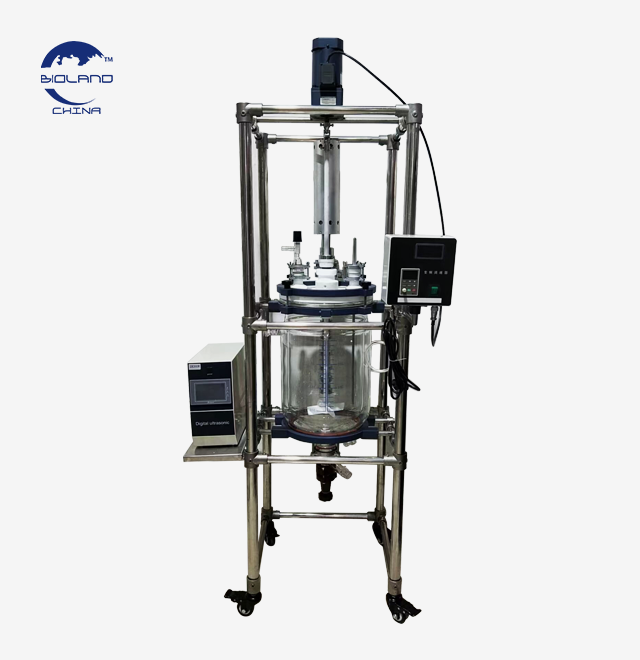
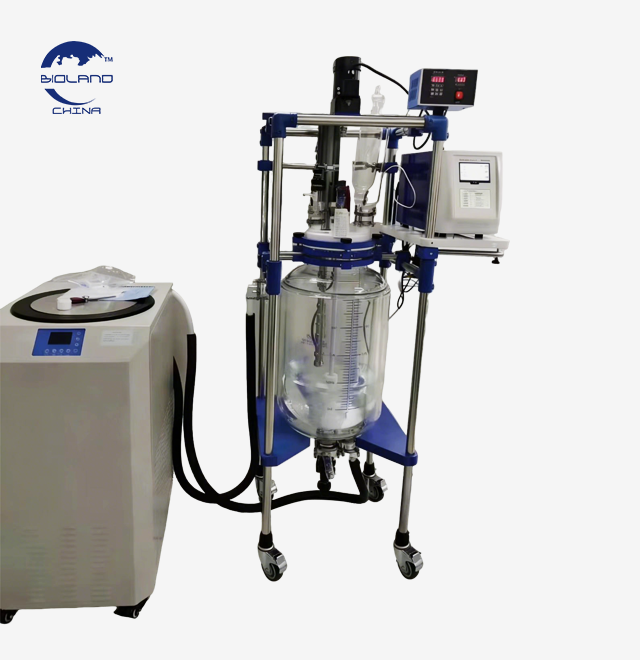
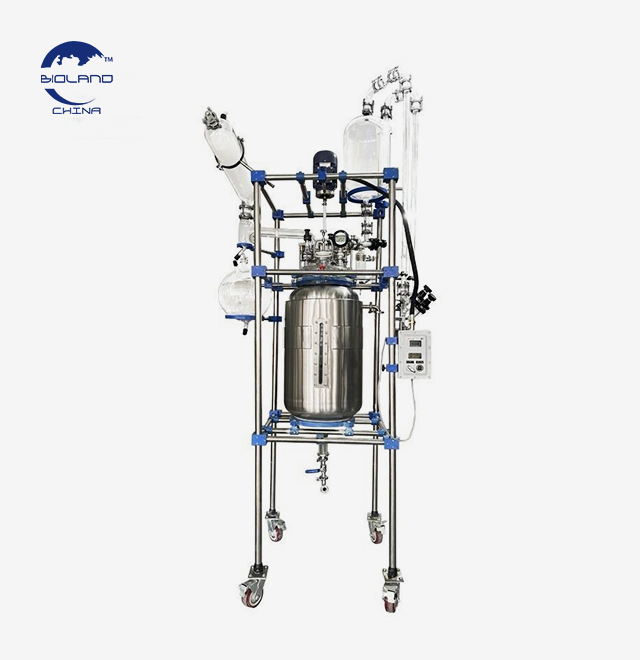
To get steady, high-quality steviol glycosides from leaves, stems, and roots of stevia plants, producers need more than just a simple extraction vessel. Ultrasonic cavitation, liquid extraction, filter, vacuum concentration, and automatic control are all parts of a well-designed stevia extraction machinethat work together to increase output and protect chemicals that are sensitive to heat. The ultrasonic extraction and concentration services offered by Xi'an Bioland Instrument Co., Ltd. are fully customised to meet the needs of each customer in terms of raw materials, production capacity, solvent system, and GMP requirements. The stevia extraction machine helps makers move from buying one piece of equipment at a time to a stable, scalable production line. It works at low temperatures, has short extraction processes, is made of stainless steel, and supports OEM and ODM.
How Ultrasonic Technology Improves Stevia Extraction
Breaking Plant Cells More Efficiently
The hardest part of handling stevia is getting the sweet glycosides out of the thick plant cells without using too much heat or liquid. Ultrasonic waves in a stevia extraction machine make tiny cavitation bubbles in the liquid used for extraction. When these bubbles pop, localised mechanical forces help break or distort plant cells. This lets water, ethanol, or another acceptable fluid get to the more internal parts. This makes mass transfer better and, based on the raw material and process design, can boost extraction efficiency by 50–500% compared to some other ways.
Producing More Consistent Steviol Glycosides
A customer processing dried stevia leaves previously experienced inconsistent sweetness because conventional soaking produced uneven solvent penetration. Bioland instrument engineers adjusted the solid-to-liquid ratio, ultrasonic intensity, extraction temperature, and circulation time in a stevia extraction machine. The resulting process improved contact between solvent and botanical material and produced a more uniform extract for downstream filtration and concentration. The same engineering principle can be used for stevia stems and roots when the customer’s formulation requires broader raw-material utilization.
Supporting Low-Temperature Processing
A lot of chemicals in plants are easily damaged by oxidation, acidification, or high temperatures for a long time. For heat-sensitive plant products, the stevia extraction machine can work at fixed temperatures between 40°C and 60°C. The boiling point of the extract is lowered even more by vacuum concentration. This helps keep the colour, smell, and useful chemicals while using less energy. The machine can do different types of extractions, such as water extraction, ethanol extraction, heat-reflux extraction, percolation, alcohol precipitation, and ultrasonic-assisted extraction.
Improving Extract Quality Before Purification
Ultrasonic extraction doesn't replace filtration or purification; it just makes the extract easier to get to and work with during those steps. The process can cut down on the need for high temperatures and long soaking times, so the liquid may have fewer unwanted breakdown products. Filters, pumps, concentration tanks, condensers, and storage vessels can all be added to the stevia extraction machine. This whole set-up makes it easy for manufacturers to go from using raw leaves to making a concentrated, clear extract that can then be cleaned up to make high-value steviol glycoside products.
Optimizing Production Lines with Ultrasonic Equipment
Designing the Complete Process Route
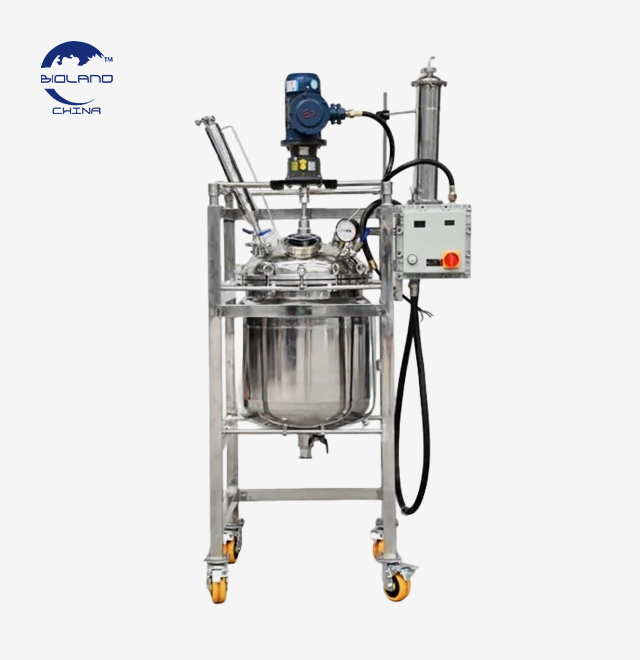
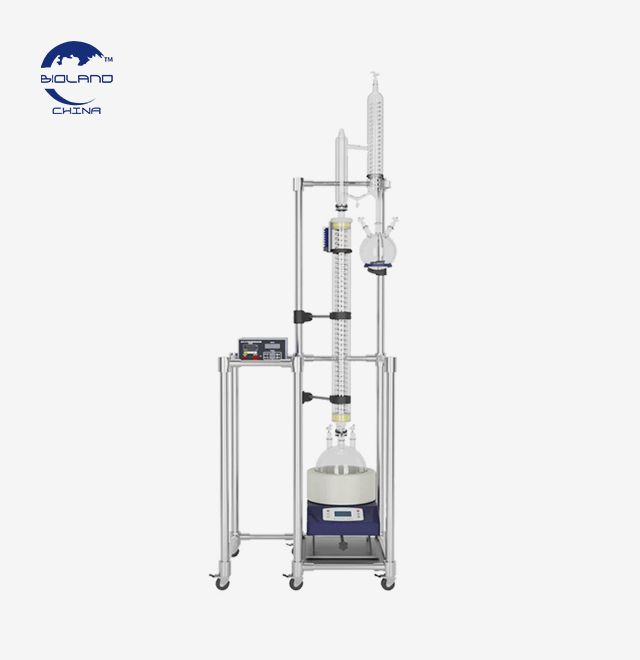
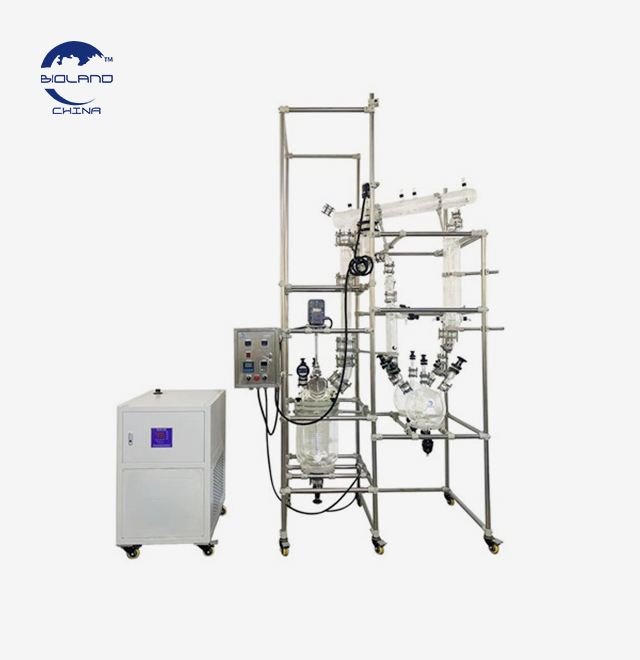
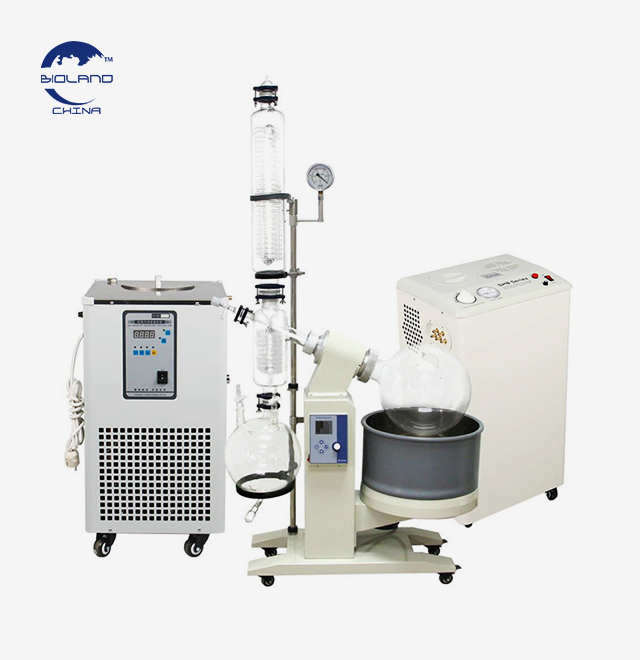
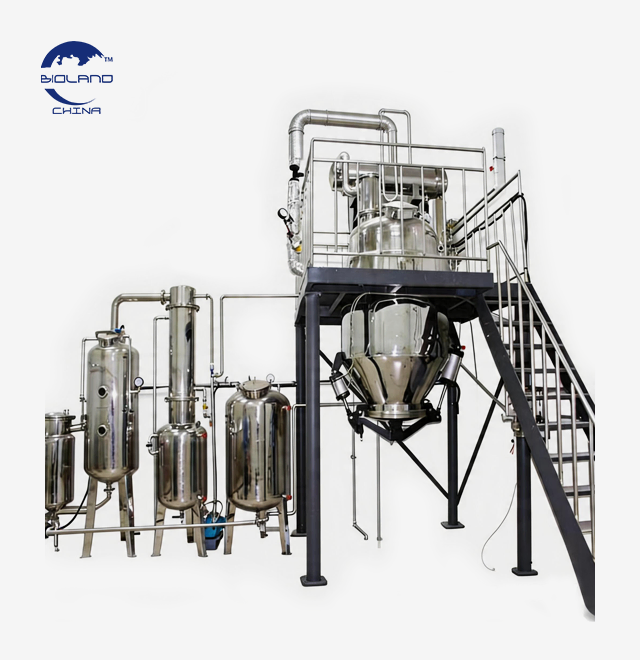
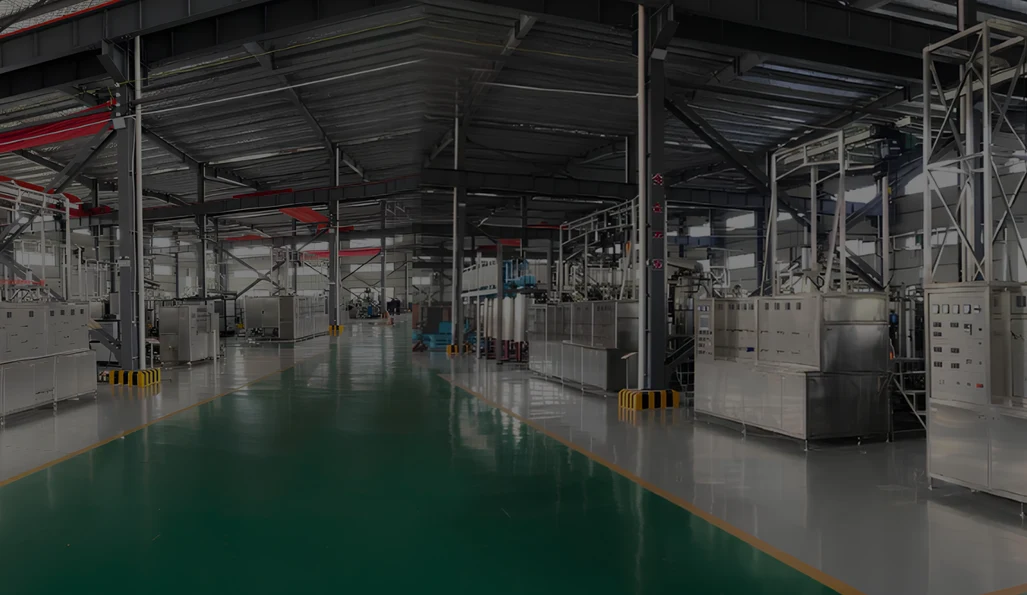
Instead of choosing a tank based on its size, the first step in a good stevia project is to analyse the process. Bioland instrument checks the moisture level, particle size, solvent type, target glycoside profile, daily output goal, concentration ratio, cleaning needs, and utilities that are accessible. A standard stevia extraction machine system has a heating unit, an evaporator, a condenser, a defoamer, a liquid pump, a measuring tank, a storage tank, a filter, a vacuum pump and an electrical control box. It's possible to change the arrangement for test, lab, or mass production.
From Loading to Concentration
In a standard process, dried stevia material is loaded into the extraction tank, followed by a specified quantity of water or ethanol. The operator sets temperature, extraction time, agitation or circulation conditions, and ultrasonic power through the control system. After extraction, valves transfer the liquid to the concentration section. Under vacuum, secondary vapor passes through the condenser, and recovered solvent can be returned for reuse. This arrangement reduces solvent loss and creates a more continuous process around the stevia extraction machine.
Selecting the Appropriate Capacity
Bioland instrument offers models with working volumes from 50 to 500 liters. Representative evaporation capacities range from 20 kg/h for a 50-liter model to 200 kg/h for a 500-liter model. Standard system vacuum can reach approximately -0.085 MPa, while evaporation temperature is generally adjustable from 60 to 100°C according to the process. Jacket pressure is commonly designed within 0.09–0.30 MPa, and compressed-air requirements are approximately 0.5–0.6 MPa. Final configuration depends on the customer’s production conditions.
Technology parameter
Model
BL-TN-C50L
BL-TN -C100L
BL-TN -C200L
BL-TN -C300L
BL-TN -C500L
Volume (L)
50
100
200
300
500
Evaporation capacity (kg/h)
20
50
70
100
200
Motor power(KW)
2.7
2.7
2.7
3.5
3.5
Steam consumption(kg/h)
25
60
90
120
250
System vacuum (MPa)
-0.085
-0.085
-0.085
-0.085
-0.085
Pressure of jacket(MPa)
0.09~0.3
0.09~0.3
0.09~0.3
0.09~0.3
0.09~0.3
Compressed air (MPa)
0.5~0.6
0.5~0.6
0.5~0.6
0.5~0.6
0.5~0.6
Evaporation temperature(°C)
60~100
60~100
60~100
60~100
60~100
Integrating Automation and Cleaning
A modern production line must reduce manual handling and make cleaning verifiable. The stevia extraction machine can be equipped with PLC control, online concentration monitoring, automatic discharge, solvent recovery, and CIP cleaning. SUS304 or SUS316L stainless steel, three-layer insulation, sanitary piping, and GMP-oriented design support food, pharmaceutical, nutraceutical, and cosmetic applications. Automated sequencing also helps operators repeat validated recipes and reduce variation between production batches.
Reducing Processing Time Through Cavitation Technology
Shortening the Extraction Cycle
Traditional botanical extraction may require repeated soaking, heating, and circulation over many hours. Ultrasonic cavitation accelerates solvent penetration and diffusion, allowing many processes to reach an effective extraction point within approximately 24–40 minutes after process conditions are optimized. In one stevia pilot project, the customer’s previous long extraction cycle restricted daily output. After installing astevia extraction machineand adjusting particle size and solvent ratio, the customer shortened the main extraction stage by more than two-thirds while maintaining the required extract concentration.
Increasing Throughput Without Simply Increasing Tank Size
Increasing vessel capacity is not always the best way to improve output. A poorly optimized large tank may consume more energy while still delivering uneven extraction. A stevia extraction machine combines ultrasonic energy, controlled temperature, liquid circulation, and programmable sequencing to improve the productivity of each batch. This allows manufacturers to consider shorter cycles, more batches per shift, or a compact continuous arrangement. Bioland instrument’s technical team can also recommend parallel extraction tanks when the customer needs flexible scheduling.
Applying the Same Solution to Other Botanicals
A company that makes stevia might later start making other natural ingredients as well. The same ultrasonic platform can hold a Chilli Oleoresin Extraction Plant for capsaicin and chilli oleoresin, an ultrasonic extraction mushrooms line for polysaccharides in mushrooms and a tincture extraction machine for herbal preparations made with ethanol. It can also help with projects that aim to remove polyphenols, aromatic oils, volatile substances, amino acids, antioxidants, and caffeine from tea and coffee.
Real Production Examples Beyond Stevia
A company that processes mushrooms wanted a faster way to get polysaccharides out of lingzhi and shiitake mushrooms without exposing them to too much heat. Bioland instrument came up with a way to remove and concentrate substances using ultrasound, temperature control, filtering, and vacuum evaporation. The customer got a more concentrated intermediate and fewer steps that had to be done by hand. For example, the polysaccharides in sweet potatoes, tremellas, goji, plant proteins, and functional food ingredients can all be prepared in the same way.
Protecting Stevia Compounds During Extraction Processes
Controlling Heat and Vacuum Conditions
Steviol glycosides need to be handled in a way that balances how quickly they dissolve, how quickly they can be extracted, and how stable the compound is. The stevia extraction machine has a warm jacket, a temperature monitor, ultrasound control and a vacuum concentration. Working under negative pressure during evaporation can lower the effective boiling point and cut down on heat contact that isn't needed. Engineers don't have to use high heat throughout the process; instead, they can choose a reasonable extraction temperature and a good concentration temperature.
Reducing Oxidation and Unnecessary Exposure
Oxidation, colour change, and loss of desired plant traits are more likely to happen when preparation takes a long time. The longer plant matter is exposed to heat and oxygen, the faster cavitation-assisted extraction works. The extract is kept safe by closed pipes, clean tanks, controlled solvent circulation, and condensers. If a customer works with more than one plant, the stevia extraction machinecan be set up with inert-gas protection, sealed transfer, or special filtration as needed by the recipe.
Choosing Water, Ethanol, or Mixed Solvents
Water is widely used for stevia extraction, while ethanol or water-ethanol mixtures may be selected for specific target compounds and downstream purification strategies. Bioland instrument’s engineers help determine solvent compatibility, recovery requirements, sealing materials, and explosion-control considerations. The stevia extraction machine can be arranged for water extraction, alcohol extraction, or other validated solvent processes. Solvent recovery through condensation helps lower operating costs and supports a more sustainable production route.
Supporting Purification and Final Concentration
After extraction, the liquid can pass through filters and proceed to vacuum concentration, alcohol precipitation, resin purification, or other customer-defined steps. The stevia extraction machine is therefore part of a process solution rather than an isolated ultrasonic generator. For high-purity steviol glycosides, the complete project may include clarification, membrane separation, decolorization, crystallization, drying, and packaging. Bioland can coordinate equipment selection so that each unit matches the required flow rate and material characteristics.
Industrial Benefits of Ultrasonic Extraction Solutions
Solving Commercial Production Bottlenecks
Customers usually contact Bioland instrument because of a specific production problem: low yield, long extraction time, high solvent consumption, unstable quality, or difficulty cleaning traditional vessels. For a stevia producer, the stevia extraction machine addresses these challenges through cell-disruption assistance, controlled extraction, rapid transfer, and vacuum concentration. The objective is not merely to sell a machine, but to deliver a process route that improves usable output, repeatability, labor efficiency, and future expansion capability.
Building a Multi-Product Extraction Platform
One food-ingredient manufacturer wanted to produce stevia extract during one season and natural pigments during another. Bioland instrument designed a flexible system using sanitary stainless-steel contact parts, interchangeable filters, programmable recipes, and solvent recovery. The same platform can support pigment extraction from orange peel, anthocyanins, betalains, carotenoids, chlorophyll, propolis flavonoids, and phenolic acids. A propolis extraction machine can combine ultrasonic assistance with ethanol extraction to separate valuable active components from raw propolis.
Expanding to Flavonoids, Quercetin, and Essential Oils
The equipment is also suitable for extraction of flavonoids from ginkgo leaves, bamboo leaves, ginger, chrysanthemum, lotus leaves, onion skins, and other medicinal plants. Ultrasound assisted extraction of quercetin can be applied to larch, celery, mulberry leaves, sophora flower buds, and related botanical sources containing rutin or quercetin glycosides. Additional applications include rose essential oil, mint oil, aromatic oils, coffee caffeine, tea juice, wheat-germ oil, soybean protein, marine fish protein, and peony-seed oil.
Receiving Engineering, Certification, and After-Sales Support
Xi’an Bioland Instrument Co., Ltd. has more than 15 years of experience in distillation, concentration, reaction, extraction, separation, filtration, purification, crystallization, emulsification, mixing, drying, and related heating, cooling, and vacuum systems. Its products serve laboratories, biopharmaceutical companies, food manufacturers, cosmetics producers, chemical enterprises, and research institutions. The stevia extraction machine is manufactured with GMP-oriented practices and can be supplied with CE and ISO certification support.
Managing Customized Delivery and Customer Inspection
Bioland instrument provides OEM and ODM services, customized production lines, engineering assistance, and technical consultation. Customized equipment generally requires about 30 business days, while standard products may be prepared within 5–7 days, subject to final specifications. During production, a designated specialist can provide weekly photographs or videos showing progress. Customers may inspect detailed completion images, approve shipment, or arrange a Factory Acceptance Test at the facility before delivery.
Conclusion
A reliable stevia production line must control extraction efficiency, temperature, solvent use, concentration, cleaning, and product consistency as one connected process. Thestevia extraction machine from Bioland instrument combines ultrasonic cavitation with extraction, filtration, vacuum concentration, solvent recovery, and intelligent automation. It can help manufacturers process stevia leaves, stems, and roots more efficiently while also supporting mushrooms, tea, coffee, chili, propolis, flavonoids, quercetin, pigments, polysaccharides, proteins, and essential oils. With flexible capacities, GMP-oriented construction, CE and ISO quality assurance, engineering customization, and full technical support, Bioland offers a practical route from process challenge to scalable production solution.
FAQ
1. What materials can the stevia extraction machine process?
It can process stevia leaves, stems, and roots, as well as many botanical, food, pharmaceutical, and natural-product materials.
2. Can it use water and ethanol?
Yes. The system can be configured for water extraction, ethanol extraction, mixed solvents, reflux, percolation, and solvent recovery.
3. How fast is ultrasonic extraction?
Many optimized processes reach effective extraction in approximately 24–40 minutes, although the actual cycle depends on raw material and formulation.
4. Is the equipment suitable for GMP production?
Yes. SUS304/316L construction, CIP cleaning, sanitary design, automation, and GMP-oriented manufacturing are available.
5. Can Bioland instrument design a complete production line?
Yes. Bioland provides process design, customized equipment, OEM/ODM manufacturing, installation guidance, FAT support, and after-sales service.
Discuss Your Stevia Production Challenge with Bioland Instrument
If your current process suffers from low yield, long extraction cycles, unstable concentration, or difficult cleaning, Bioland Instrument can help you evaluate the complete route instead of recommending an isolated tank. Our team can design a stevia extraction machine system around your raw materials, target glycosides, solvent, capacity, and quality standards. We provide ultrasonic extraction, vacuum concentration, filtration, CIP, automation, solvent recovery, and customized production-line integration. Bioland Instrument is CE and ISO certified, supports OEM/ODM projects, offers a one-year quality warranty with lifetime maintenance, and provides sea, rail, and air shipment options. Contact our technical team at info@biolandequip.com to discuss your application and receive a practical proposal.
References
1. G.W. Goettemoeller and A. Ching, Seed Germination, Handling, and Storage of Stevia rebaudiana, University of Illinois.
2. J.A. Pryce-Jones and A. Fern, “The Extraction and Purification of Steviol Glycosides from Stevia rebaudiana,” Journal of Applied Chemistry and Biotechnology.
3. V. Vinatoru, “An Overview of the Ultrasonically Assisted Extraction of Bioactive Principles from Herbs,” Ultrasonics Sonochemistry.
4. M. Chemat, M. Zill-e-Huma, and F. Khan, “Applications of Ultrasound in Food Technology: Processing, Preservation and Extraction,” Ultrasonics Sonochemistry.
5. A. Pasquel, “Complexation of Stevioside with β-Cyclodextrin,” Food Chemistry.
6. M. Puri, D.R. Sharma, and S. Barrow, “Enzyme-Assisted Extraction of Bioactives from Plants and Their Applications,” Trends in Biotechnology.
The reactor is beautifully mirror-polished and fully complies with GMP requirements for the pharmaceutical industry. The performance is excellent! Overall, we are very satisfied! We also provided with some feedback on our process improvements, which we hope will be helpful.
2024-04-09
Laboratory
Excellent and professional service. Always reply our questions very fast. All reactors and chiller we received are good too.
2024-02-15
Research Institute
Quality is beyond our expectation actually. After we got the extraction equipment and started using it, the performance was beyond our expectation. Very easy to use and very efficient to run. Service always respond us very quickly. Was also very helpful to help us. Thanks Bioland team. Very happy to work with you.
2023-11-20
Biotech Company
We are happy about the new purchase as always. Equipment and services are both good.
2023-08-05
Instrument Lab
This is the second order with Bioland instrument and everything is good as the first dateText.
2023-05-12
Global Trading Partner
Bioland instrument team is very helpful and professional. The sales helped us select the right equipment for our application, and their logistics people handled the transportation and customs declaration for our shipment. All that saved us a lot of work.