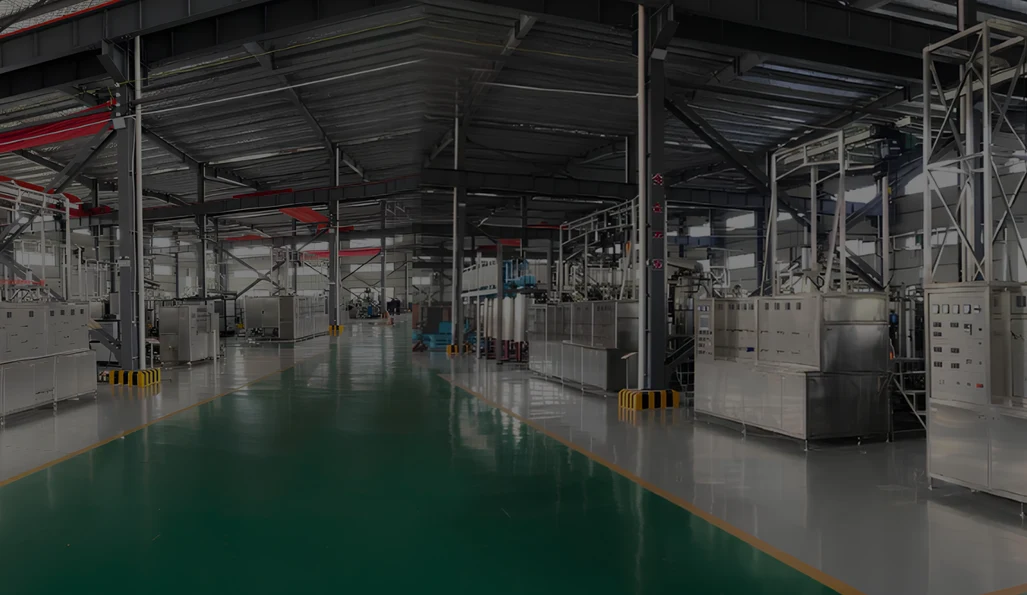
Polysaccharides Extraction Machine vs Traditional Extraction Systems
Sep 30, 2026
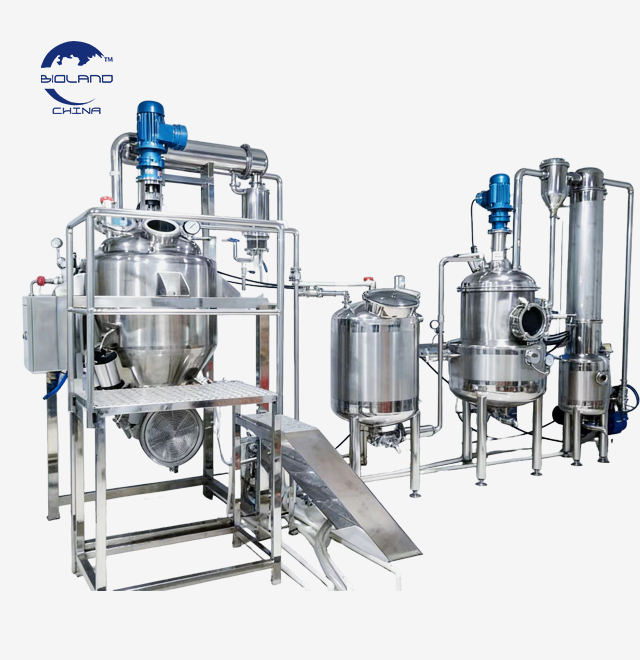
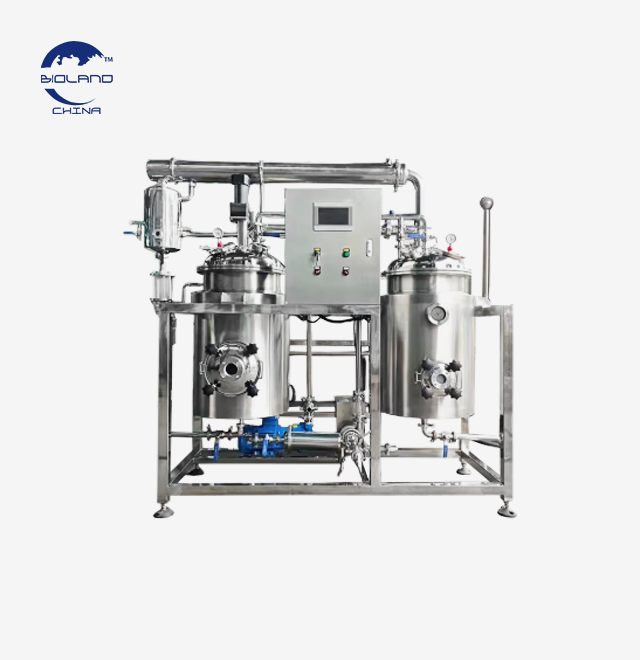
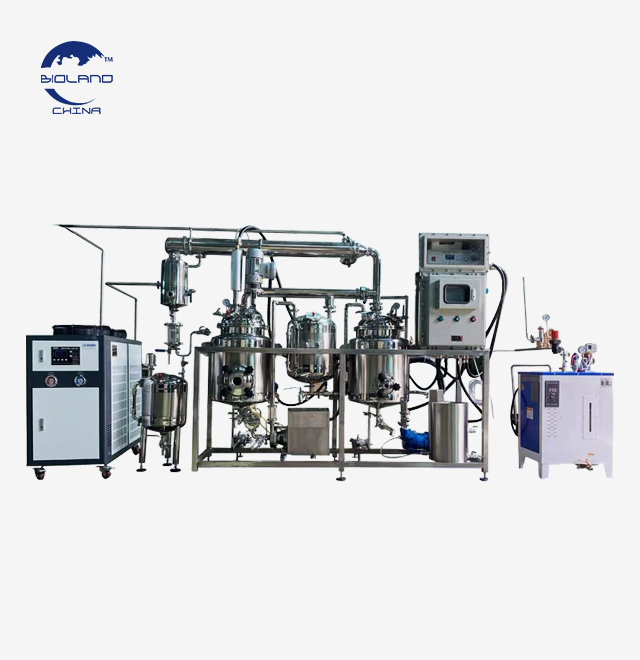
Choosing between a modern polysaccharides extraction machineand traditional extraction systems means comparing saleable yield, batch turnaround, and operating cost—not tank size alone. Xi’an Bioland Instrument Co., Ltd. combines ultrasonic extraction, vacuum concentration, solvent recovery, and configurable automation to address those priorities. Competitive pricing and OEM/ODM engineering help turn an equipment purchase into an integrated production solution.
Source note: Product figures come from the supplied Bioland information; linked pages and live Google rankings were not independently checked. Application scenarios below illustrate process design, not verified customer results.
Extraction Efficiency Comparison for Industrial Production
Start with Saleable Yield, Not Tank Size
Slow diffusion, repeated boiling, and solvent-heavy reprocessing can keep a conventional line busy without increasing saleable output. A polysaccharides extraction machine adds ultrasonic cavitation to improve contact between solvent and raw material. The commercial advantage is strongest when better recovery or shorter extraction releases a genuine bottleneck, rather than simply moving the queue to filtration or drying.
Bioland instrument cites extraction improvements of 50–500% for selected herbal processes. These are supplier-reported relative improvements, not guaranteed absolute polysaccharide recovery. Compare a polysaccharides extraction machine with your existing process using identical feedstock, dry-matter calculations, solvent ratios, and validated assays. Request a cost-per-kilogram assessment covering utilities, solvent losses, labor, cleaning, and downstream capacity.
Ultrasonic Extraction Mushrooms: A Reishi Processing Scenario
Consider a reishi processor struggling with slow hot-water extraction of polysaccharides and inconsistent extract strength. In this application scenario, a 200 L polysaccharides extraction machine provides controlled heating, ultrasound, circulation, filtration, and matched concentration. Shiitake and enoki can be evaluated on the same platform, but each mushroom requires its own particle-size specifications and extraction recipe.
The listed BL-TN-C200L evaporation capacity is 70 kg/h, helping the buyer assess whether concentration can keep pace. Before purchasing the polysaccharides extraction machine, agree on acceptance targets for recovered polysaccharide mass, filtration time, and molecular-weight distribution. The intended benefit is a predictable batch schedule and consistent product specification—not merely a larger volume of crude extract.
Stevia: Improve Recovery Without Multiplying Solvent Loads
A stevia producer may face lengthy solvent contact and fluctuating glycoside concentration. A stevia extraction machine configuration can combine ultrasound-assisted leaf extraction with filtration and solvent recovery. The same engineering platform as a polysaccharides extraction machine supports this route, provided the selected solvent, product-contact materials, and concentration conditions match the glycoside process.
Leaf, stem, and root batches should be assayed separately rather than assumed to contain equivalent recoverable glycosides. Specifying a polysaccharides extraction machine around measured feed composition helps avoid unnecessary solvent circulation. A useful acceptance test compares glycoside recovery, solvent makeup, and concentrate solids against the existing method, making the upgrade decision commercial as well as technical.
Processing Time and Energy Consumption Analysis
Compare Complete Cycles, Not Extraction Minutes
Bioland instrument reports 24–40-minute ultrasonic extraction stages and time reductions exceeding two-thirds versus selected traditional methods. For a polysaccharides extraction machine, that range is a trial starting point, not a universal recipe. Raw-material loading, heating, filtration, concentration, discharge, and cleaning still determine total turnaround and the number of batches a shift can actually deliver.
In a hypothetical comparison, reducing a 120-minute extraction hold to 30 minutes saves 75% of that stage. It does not automatically raise whole-line throughput fourfold. Evaluate the polysaccharides extraction machine with a complete cycle chart, then address the slowest remaining step. This prevents faster extraction from leaving an undersized filter or evaporator in control of daily production.
Separate Extraction Temperature from Total Energy Demand
The supplier identifies 40–60°C as a useful ultrasonic extraction range for selected herbal applications. A polysaccharides extraction machine may therefore reduce heating demand compared with prolonged boiling when the recipe permits. Extraction temperature is separate from the listed 60–100°C evaporation range; vacuum, extract concentration, and product stability determine appropriate concentration conditions.
Listed motor ratings are 2.7 kW for 50–200 L models and 3.5 kW for 300–500 L models. These are not total plant energy figures. Assess a polysaccharides extraction machine using metered ultrasound, pumping, heating, cooling, and vacuum consumption per kilogram of accepted product. Listed steam demand ranges from 25 to 250 kg/h across the models.
Tea and Coffee: Recover the Right Product Fraction
A tea processor seeking consistent polyphenols may need better temperature control rather than stronger boiling. A tea extraction machine configuration can target polyphenols, amino acids, and flavonoids, with separate aroma-handling equipment where required. Configuring the polysaccharides extraction machine platform around these fractions helps align extraction intensity and concentration conditions with the finished ingredient specification.
For a Coffee Extraction Machine application, the customer may prioritize caffeine recovery or beverage concentrate; these are different separation objectives. A polysaccharides extraction machine can provide controlled extraction and concentration, but selective caffeine purification requires additional downstream engineering. Defining the product first avoids purchasing an extraction vessel that cannot independently deliver the intended coffee ingredient.
Impact on Polysaccharide Yield and Quality Control
Measure Recovery, Purity, and Molecular-Weight Consistency
A heavier crude extract does not necessarily mean more useful polysaccharide. For a polysaccharides extraction machine, calculate recovered target mass against dry feed mass and report purity separately. Colorimetric carbohydrate tests need suitable controls because simple sugars and other components can influence results. Product-specific testing may also include beta-glucan content, viscosity, moisture, and molecular-weight distribution.
Keep ultrasonic intensity, treatment duration, temperature, and solvent ratio within a validated operating window. The polysaccharides extraction machine should reproduce that window through recorded recipes and calibrated instruments, with configuration confirmed in the quotation. Research on polysaccharide extraction emphasizes evaluating extraction and downstream purification together instead of judging performance by crude yield alone.
Goji, Sweet Potato, and Tremella Require Different Recipes
In a goji-polysaccharide scenario, abundant simple sugars can inflate crude-solids yield and complicate product standardization. A 100 L polysaccharides extraction machine with a listed 50 kg/h evaporation capacity provides a starting configuration for development. Controlled extraction, clarification, and validated alcohol precipitation or membrane separation can help target a defined polysaccharide fraction instead of generic concentrated syrup.
Sweet-potato material introduces starch and protein considerations, while tremella extracts may create viscosity-related filtration bottlenecks. Configure the polysaccharides extraction machine with suitable circulation, discharge, and filter capacity, then test realistic solids loading. The benefit is practical: designing around pumpable, filterable extract reduces the chance that improved extraction simply creates a downstream handling problem.
Propolis and Pigments Demonstrate Recipe-Specific Flexibility
A propolis producer often needs efficient ethanol contact followed by clarification to separate waxes from flavonoid- and phenolic-acid-rich extract. A propolis extraction machine configuration addresses that workflow through ultrasound-assisted extraction and matched filtration. When adapting a polysaccharides extraction machine, specify solvent-compatible seals, cleaning validation, and recovery equipment around the finished extract and acceptable solvent residue.
For pigment extraction from plants, anthocyanins and betalains need different conditions from carotenoids and chlorophyll. Orange-peel pigments also require feed-specific trials. A polysaccharides extraction machine offers configurable hardware, not one universal solvent recipe. Controlling pH, light exposure, temperature, and concentration conditions helps translate that flexibility into consistent color and a commercially usable ingredient.
Technology Differences in Modern Extraction Processes
Cavitation Strengthens Mass Transfer
Traditional decoction and reflux primarily combine heat, diffusion, and mixing. Ultrasound adds acoustic cavitation: collapsing bubbles create localized mechanical effects that can disrupt tissue and improve solvent penetration. This explains why apolysaccharides extraction machine may accelerate release without relying exclusively on prolonged heating. The mechanism is reviewed by Chemat et al. (2017), Vilkhu et al. (2008), and Vinatoru (2001).
The same principle supports the extraction of flavonoids from ginkgo, bamboo leaves, or onion skins, and ultrasound assisted extraction of quercetin from mulberry leaves or Sophora flower buds. A polysaccharides extraction machine still needs compound-specific solvents and assays. Recovering rutin or quercitrin differs from obtaining free quercetin; any conversion or purification step belongs in the complete process design.
Follow the Process from Charging to Concentration
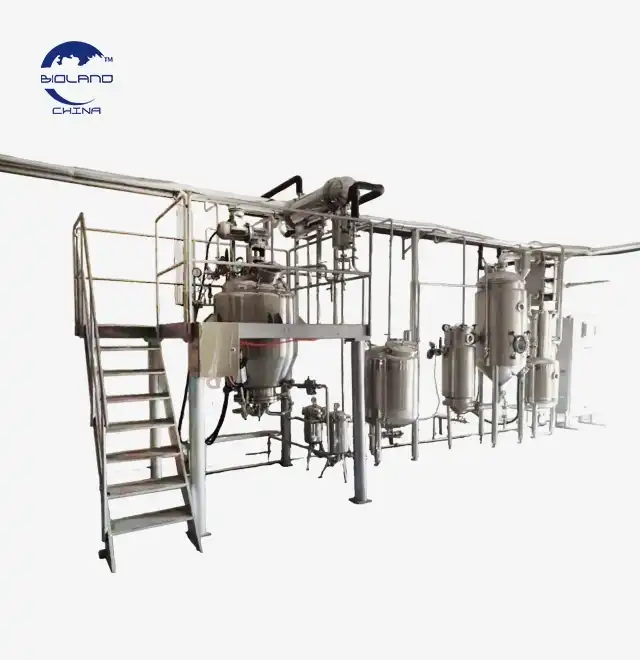
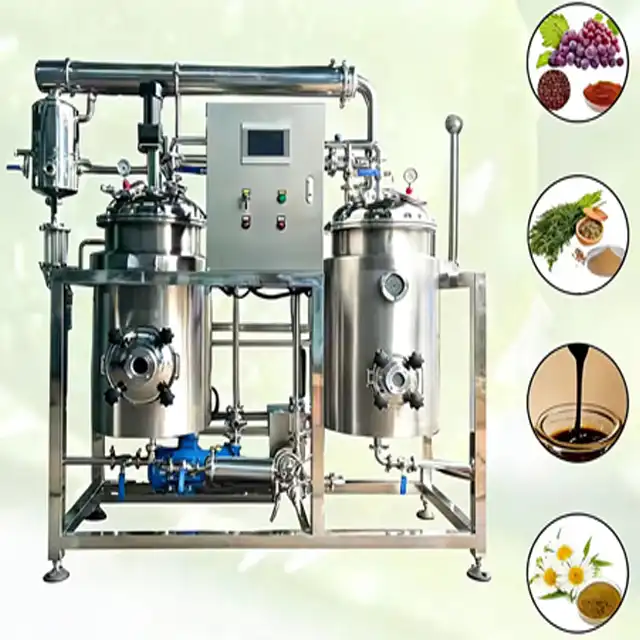
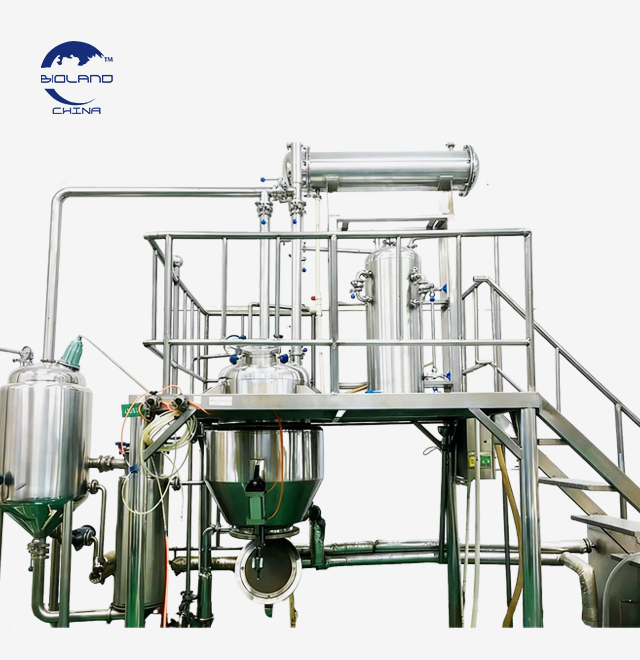
First, charge prepared raw material and the validated quantity of water or ethanol solution. Next, run controlled ultrasound, mixing, and heating before transferring clarified liquid through filtration to concentration. A polysaccharides extraction machine can integrate the extraction tank, tubular heater, evaporator, condenser, pumps, receiver, and controls, with demisters and oil separation where the selected process requires them.
During concentration, the supplied operating vacuum range is approximately −0.05 to −0.09 MPa gauge, with −0.085 MPa listed for the models. Condensed solvent may return to extraction after suitability checks. Operate the polysaccharides extraction machine to assay-based recovery and concentration endpoints; colorless liquid does not prove complete polysaccharide extraction. Solvent recovery closes the loop where the validated recipe allows.
Match Automation and Safety to the Solvent Route
For tinctures, a tincture extraction machine configuration prioritizes controlled ethanol contact and solvent recovery. A Chilli Oleoresin Extraction Plant may target capsaicinoids, capsanthin, and oleoresin through a different extraction and purification sequence. Specify the polysaccharides extraction machine with ventilation, grounding, solvent-rated seals, and electrical protection appropriate to flammable solvents, plus temperature and pressure interlocks.
PLC control, online concentration monitoring, automatic discharge, and CIP are configurable features to discuss—not assumptions about every model. A polysaccharides extraction machine also needs a defined cleaning method and maintenance schedule for transducers, seals, filters, and vacuum components. Confirm whether the quotation covers batch operation or engineered continuous feeding and discharge before calculating staffing or throughput savings.
Choosing Advanced Equipment for Scalable Production
Match Vessel Volume to the Evaporation Bottleneck
Bioland instrument lists BL-TN-C models of 50, 100, 200, 300, and 500 L, with nominal evaporation capacities of 20, 50, 70, 100, and 200 kg/h respectively. Select a polysaccharides extraction machine using working fill, solvent-to-solid ratio, and daily output targets—not nominal vessel volume alone. These capacities suit development, pilot production, and appropriately sized commercial lines.
For illustration, removing 50 kg of solvent at a sustained 50 kg/h takes about one hour, excluding heating and transfers. A polysaccharides extraction machine must match actual concentration duty, extract viscosity, and available utilities. Confirm jacket pressure, listed at 0.09–0.3 MPa, compressed air requirements of 0.5–0.6 MPa, and adequate condenser cooling before installation.
Beyond polysaccharides, application-specific configurations may support soy and marine-fish protein recovery, wheat-germ or peony-seed oils, and jujube actives. Rose, mint, and valerian aromatic fractions require their own recovery arrangements. These options demonstrate Bioland’s broader solution capability; engineering review determines whether shared or dedicated equipment offers the better production and cleaning strategy.
Buy an Engineered Solution with Traceable Documentation
Xi’an Bioland Instrument Co., Ltd. reports more than 15 years in process equipment, an in-house R&D team, and CE and ISO credentials. Its polysaccharides extraction machine offering can be developed alongside filtration, purification, mixing, and drying equipment. OEM/ODM support and competitive factory pricing are most valuable when the supplier specifies the complete production route.
Discuss SUS304 or SUS316L contact surfaces, insulated construction, CIP coverage, and documentation for GMP-oriented production. For a polysaccharides extraction machine, obtain model-specific conformity documents and material records. Confirm how the final installation supports applicable GMP, food-safety, or FDA requirements; equipment configuration, qualification, cleaning validation, and operating procedures work together to establish compliance.
Use FAT, Production Updates, and After-Sales Support
Bioland describes weekly production photos or videos and final inspection media before shipment approval. Buyers can also arrange a Factory Acceptance Test. For a polysaccharides extraction machine, define FAT checks around agreed functions: instrumentation, controls, leak integrity, discharge, cleaning coverage, and specified utility performance. Product-based recovery trials should be separately agreed, distinguishing engineering acceptance from ingredient qualification.
Reported lead times are generally 5–7 days for non-customized equipment and about 30 business days for customized orders, subject to confirmation. Each polysaccharides extraction machine proposal should state shipping terms, the one-year quality warranty, and lifetime maintenance provisions. Sea, rail, and air freight options, together with coordinated technical support, help buyers plan installation rather than only the purchase date.
Conclusion
A modern polysaccharides extraction machine earns its place when faster extraction, controlled processing, and matched concentration improve the whole production line. Traditional systems remain practical for straightforward, established recipes, but ultrasound-assisted equipment adds flexibility where extraction time, solvent use, or inconsistent recovery limits growth. The strongest comparison measures accepted product output, utility demand, and reproducibility under equivalent feedstock conditions.
Bioland instrument’s combination of configurable equipment, OEM/ODM engineering, production visibility, and maintenance support helps buyers approach that upgrade as a process project. Mushroom, goji, stevia, tea, and other botanical applications require different recipes, yet share the same purchasing principle: validate the material, size every stage, and agree on acceptance criteria. A documented trial and complete quotation provide the clearest next step.
FAQs
Q: Can a polysaccharides extraction machine replace hot-water extraction?
A: It can intensify or integrate that process; confirm recovery and quality through feed-specific trials.
Q: What batch sizes are available?
A: The supplied BL-TN-C range covers 50–500 L; working capacity depends on the recipe.
Q: Can one line process mushrooms and herbs?
A: Yes, with appropriate solvent selection, cleaning validation, and application-specific settings.
Q: Is 24–40 minutes a guaranteed extraction time?
A: This supplier-reported range applies to selected applications; your recipe determines actual time.
Q: What should I send for a quotation?
A: Provide feedstock, target compound, solvent, batch size, daily output, utilities, and required certifications.
Ready to Solve Your Extraction Bottleneck with Bioland Instrument?
What limits your output today: slow extraction, difficult filtration, excessive solvent loss, or inconsistent concentrate? Send Bioland Instrument your raw material, target ingredient, solvent preference, and daily production goal. Ask the engineering team to configure a polysaccharides extraction machine around your actual process, with appropriately matched filtration, concentration, recovery, and downstream equipment—not an oversized tank that leaves the original bottleneck untouched.
With more than 15 years of experience, OEM/ODM capability, competitive pricing, and coordinated technical support, Bioland Instrument can help define a practical upgrade path. Request model-specific certification documents, an agreed FAT plan, weekly production updates, and warranty details alongside your polysaccharides extraction machine quotation. Emailinfo@biolandequip.com with your current process and biggest challenge, and start a focused discussion about capacity, quality targets, and project timing.
References
1. These publications address extraction principles and process evaluation; they do not independently validate Bioland-specific performance claims.
2. Chemat, F., Rombaut, N., Sicaire, A.-G., Meullemiestre, A., Fabiano-Tixier, A.-S., and Abert-Vian, M. (2017). “Ultrasound assisted extraction of food and natural products. Mechanisms, techniques, combinations, protocols and applications. A review.” Ultrasonics Sonochemistry, 34, 540–560.
3. Vilkhu, K., Mawson, R., Simons, L., and Bates, D. (2008). “Applications and opportunities for ultrasound assisted extraction in the food industry—A review.” Innovative Food Science & Emerging Technologies, 9(2), 161–169.
4. Tiwari, B. K. (2015). “Ultrasound: A clean, green extraction technology.” TrAC Trends in Analytical Chemistry, 71, 100–109.
5. Vinatoru, M. (2001). “An overview of the ultrasonically assisted extraction of bioactive principles from herbs.” Ultrasonics Sonochemistry, 8(3), 303–313.
6. García-Vaquero, M., Rajauria, G., O’Doherty, J. V., and Sweeney, T. (2017). “Polysaccharides from macroalgae: Recent advances, innovative technologies and challenges in extraction and purification.” Food Research International, 99, 1011–1020.
7. Chemat, F., Vian, M. A., and Cravotto, G. (2012). “Green extraction of natural products: Concept and principles.” International Journal of Molecular Sciences, 13(7), 8615–8627.
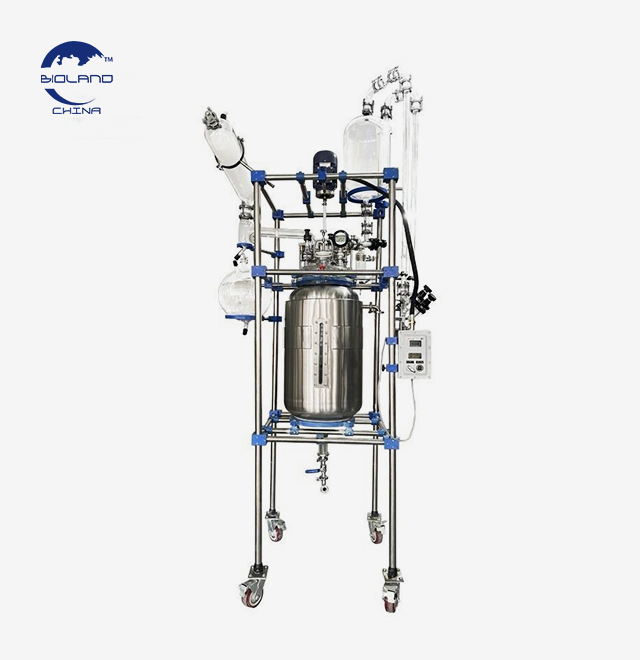
The reactor is beautifully mirror-polished and fully complies with GMP requirements for the pharmaceutical industry. The performance is excellent! Overall, we are very satisfied! We also provided with some feedback on our process improvements, which we hope will be helpful.
2024-04-09
Laboratory
Excellent and professional service. Always reply our questions very fast. All reactors and chiller we received are good too.
2024-02-15
Research Institute
Quality is beyond our expectation actually. After we got the extraction equipment and started using it, the performance was beyond our expectation. Very easy to use and very efficient to run. Service always respond us very quickly. Was also very helpful to help us. Thanks Bioland team. Very happy to work with you.
2023-11-20
Biotech Company
We are happy about the new purchase as always. Equipment and services are both good.
2023-08-05
Instrument Lab
This is the second order with Bioland instrument and everything is good as the first dateText.
2023-05-12
Global Trading Partner
Bioland instrument team is very helpful and professional. The sales helped us select the right equipment for our application, and their logistics people handled the transportation and customs declaration for our shipment. All that saved us a lot of work.