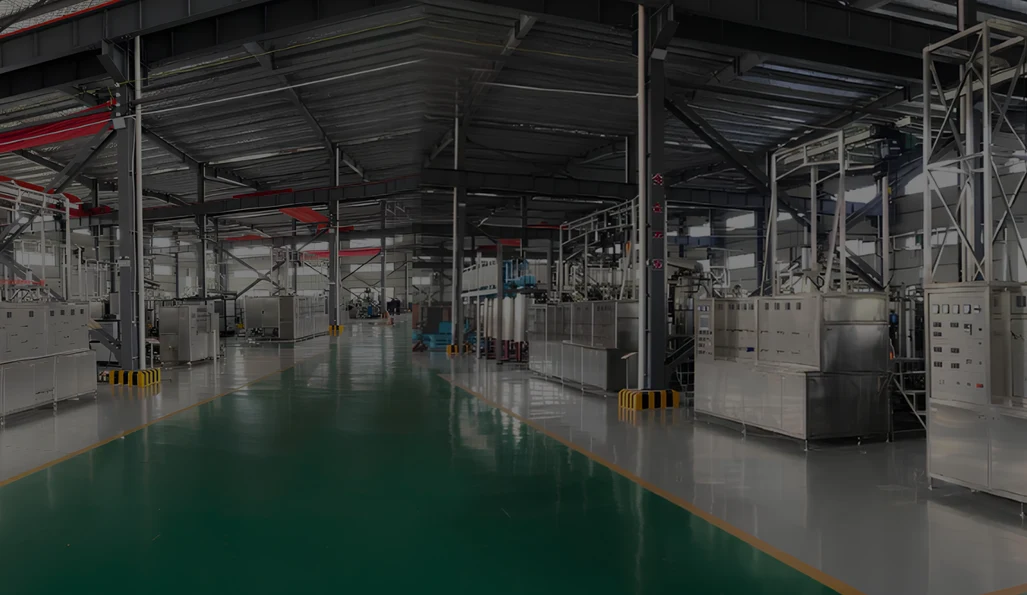
Why Food-Grade Stainless Steel Matters in Extraction Equipment?
Sep 28, 2026
When buyers compare quotations for plant extraction equipment, the price gap between two "identical looking" units often comes down to one invisible detail: the steel. A tank fabricated from unmarked mild steel with a thin stainless skin will look flawless on day one and start pitting by month six. At Xi'an Bioland Instrument Co., Ltd., every batch of plant extraction equipment is manufactured from certified SUS304 or SUS316L food-grade stainless steel, mirror-polished on all product-contact surfaces, fully welded and passivated, and supplied with mill test certificates. Combined with ultrasonic cavitation technology, CIP cleaning, three-layer insulation and GMP-compliant design, our plant extraction equipment is built to protect your extract purity, your audit record and your capital investment for well over a decade.
Corrosion Resistance for Long Term Equipment Performance
Why Solvents, Acids and Chlorides Destroy Low-Grade Tanks
Botanical processing is chemically aggressive. Ethanol–water mixtures, acetic acid from fermenting biomass, capsaicin-rich chilli slurries, citric acid from citrus peel and chloride ions from municipal water all attack unprotected metal. Once pitting begins inside a plant extraction equipment vessel, the corrosion products migrate directly into your extract, causing colour drift, heavy-metal failures and off-flavours. Corrosion also creates micro-crevices that harbour microorganisms, which no amount of manual scrubbing can reach. This is why Bioland specifies food-grade stainless steel as a baseline, not an upgrade option, across its entire plant extraction equipment catalogue.
SUS304 vs SUS316L: Matching Grade to Process Chemistry
SUS304 is an excellent, cost-efficient choice for water, ethanol and most neutral botanical extractions — stevia leaf, tea, mushroom, jujube and goji processing all run comfortably in 304. SUS316L, with 2–3% molybdenum and lower carbon content, becomes essential where chlorides, organic acids or elevated temperatures are present: chilli oleoresin, propolis with high phenolic acid loading, marine protein hydrolysis and pigment extraction from citrus peel. Bioland engineers help clients select the correct grade before quotation, so the plant extraction equipment you order matches the chemistry you actually run, not a generic specification.
Case: A Chilli Oleoresin Extraction Plant That Stopped Losing Vessels
Application scenario: An Indian spice processor producing capsaicin and chilli oleoresin for export.
Pain point: Their previous 500L tanks — sold as "stainless" but fabricated from uncertified plate — showed pitting on the bottom dish within eight months. Oleoresin colour value dropped and two batches failed heavy-metal screening.
Solution: Bioland instrument supplied a 316L ultrasonicplant extraction equipmentline with 0.4µm polished internals, argon-backed welds and full passivation, running ethanol extraction at 50°C.
Result: After 26 months of continuous operation, internal inspection showed no measurable pitting. Extraction time fell from 4 hours to 40 minutes, and oleoresin yield rose approximately 28% versus their old hot-reflux process.
Weld Quality, Polishing and Passivation — Where Corrosion Really Starts
Corrosion rarely starts on the plate; it starts at the weld. Heat input burns out chromium at the heat-affected zone, and if the weld is not pickled and passivated, that seam becomes the weakest link in the entire vessel. Bioland's fabrication standard for plant extraction equipment includes continuous internal welds, grinding flush, mechanical polishing to Ra ≤ 0.4µm, chemical pickling and nitric-acid passivation to rebuild the chromium oxide layer. Every finished plant extraction equipment unit is water-tested and visually verified before painting or insulation.
How Stainless Steel Ensures Cleaner Extraction Processes
Mirror-Polished Surfaces That Refuse to Hold Residue
Surface roughness determines cleanability. A mill-finish surface at Ra 1.6µm holds tannins, resins, pigments and polysaccharide gels in microscopic valleys; a mirror-polished surface at Ra 0.4µm releases them under normal CIP flow. This matters enormously in plant extraction equipment used for sticky products — propolis, ginger oleoresin, dandelion and anthocyanin concentrates. Bioland instrument polishes all wetted surfaces of its plant extraction equipment, including manway rims, dip tubes, sight glass ports and the underside of agitator blades, because product carry-over is usually hiding exactly where inspectors do not look.
CIP Systems Built Into the Extraction Circuit
Food-grade steel only delivers its benefit when the geometry allows cleaning. Bioland instrument's plant extraction equipment integrates rotating CIP spray balls, sloped dished bottoms, drain-out valves with zero dead legs and sanitary tri-clamp connections throughout. The online automatic cleaning system circulates hot water, alkali and acid solutions through the extraction tank, evaporator, condenser and receiving vessels without disassembly, typically completing a full changeover cycle in 45–60 minutes instead of a half-day manual strip-down.
Case: Mushroom Polysaccharide Line Solving Cross-Contamination
Application scenario: A Chinese nutraceutical manufacturer extracting polysaccharides from reishi, shiitake and Flammulina on the same line.
Pain point: Batch-to-batch colour carry-over and periodic microbial excursions in the finished powder.
Solution: A 300L ultrasonic plant extraction equipment and concentration unit in SUS304, with 316L wetted internals, CIP loop and PLC-recorded cleaning cycles.
Result: Changeover time dropped from 6 hours to 1 hour. Polysaccharide extraction yield increased roughly 45% versus hot-water reflux, with extraction temperature held at 55°C to protect β-glucan structure.
Ultrasonic Cavitation Demands Sound Metallurgy
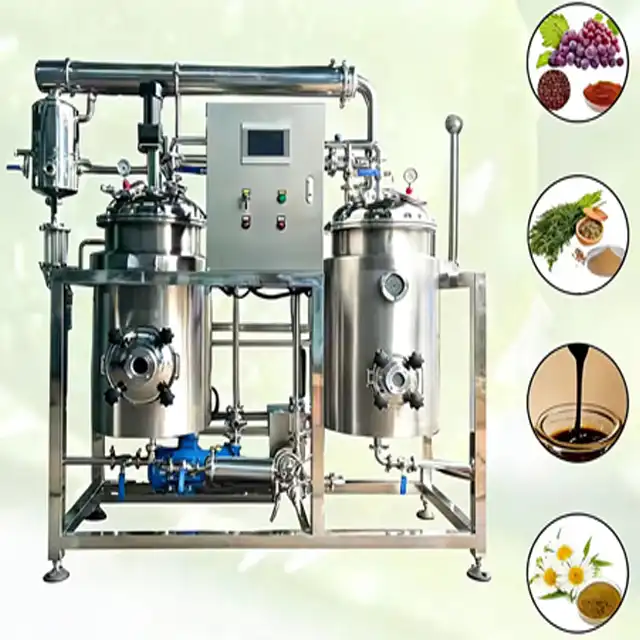
Ultrasonic transducers mounted on the tank wall generate implosive cavitation that ruptures plant cell walls — the reason our plant extraction equipmentachieves 50–500% higher extraction rates in 24–40 minutes. But cavitation is mechanically severe. Thin-gauge or poorly annealed steel can suffer cavitation erosion and weld fatigue. Bioland uses heavier plate thickness at transducer zones, verified weld penetration and correctly matched frequency output, so the ultrasonic plant extraction equipment stays leak-free through years of high-intensity duty.
Material Safety Standards for Plant Extraction Systems
GMP, FDA and CE: What Auditors Actually Check
Buyers often assume "CE certified" covers material safety — it does not. GMP and FDA expectations focus on product-contact material inertness, cleanability, documented traceability and absence of leachables. Bioland's plant extraction equipment is designed against GMP pharmaceutical standards and food HACCP requirements, holds CE and ISO certification, and ships with material declarations for every wetted component. When your auditor asks which grade the evaporator tube bundle is, our documentation answers in one page — a detail that has helped multiple clients pass first-time facility inspections.
Gaskets, Seals and the Hidden Contact Parts
Steel is only part of the story. Bioland uses food-grade silicone, PTFE and EPDM gaskets, sanitary mechanical seals on agitators, and borosilicate sight glasses — no rubber of unknown origin, no brass fittings, no galvanised pipework anywhere in the product path. In ethanol-based plant extraction equipment for tincture production, elastomer compatibility is critical; swollen seals leak solvent and contaminate extract. Our engineering team specifies elastomers per solvent, per temperature, per client recipe.
Case: Tincture Extraction Machine Built for a Documentation-Driven Buyer
Application scenario: A European herbal tincture producer extracting active constituents with 70% ethanol.
Pain point: Their national regulator demanded full material traceability that their previous supplier could not provide.
Solution: Bioland delivered a 200L tincture-focused plant extraction equipment package with 316L wetted parts, mill certificates, weld maps, surface-finish reports and a CE declaration of conformity.
Result: Registration approved without a second inspection round. Ethanol recovery exceeded 92%, and extraction cycles dropped from 72-hour maceration to under 60 minutes.
Traceability From Steel Coil to Shipping Container
Every plate entering the Bioland instruemnt workshop carries a heat number traceable to the mill. That number follows the component through cutting, rolling, welding and polishing, and appears in the final documentation dossier accompanying your plant extraction equipment. During fabrication, a dedicated specialist photographs or films progress weekly and sends it to the client — so you see the steel, the welds and the polish before the unit is ever insulated or cladded.
Benefits of Durable Stainless Steel Extraction Equipment
Lower Lifetime Cost per Kilogram of Extract
A cheap tank is expensive. Replacing a corroded 500L vessel means equipment cost plus dismantling, requalification and weeks of lost production. Food-grade stainless plant extraction equipment typically delivers 10–15 years of service with only seal and gasket replacement. Bioland's pricing advantage comes from in-house fabrication and 15+ years of supply-chain depth — not from thinning the steel. Clients consistently report that the total cost per kilogram of finished extract falls, because uptime, yield and batch acceptance rates all rise together.
Thermal Performance, Jacketing and Insulation
Stainless steel jackets transfer heat predictably and tolerate the 0.09–0.3 MPa jacket pressures our systems operate at. Bioland instrument plant extraction equipment uses dimple or half-pipe jackets with three-layer rock-wool insulation and a polished outer shell, cutting radiant heat loss, stabilising the 40–60°C ultrasonic extraction window and reducing steam consumption. Low-temperature operation protects thermolabile actives — anthocyanins, volatile oils, vitamin-rich compounds — while the vacuum concentration stage runs at −0.085 MPa and 60–100°C evaporation temperature.
Case: Stevia Extraction Line With Measurable Yield Gains
Application scenario: A stevia processor extracting steviol glycosides from leaf, stem and root.
Pain point: Long soaking cycles, bitter off-notes from overheating, and heavy solvent consumption.
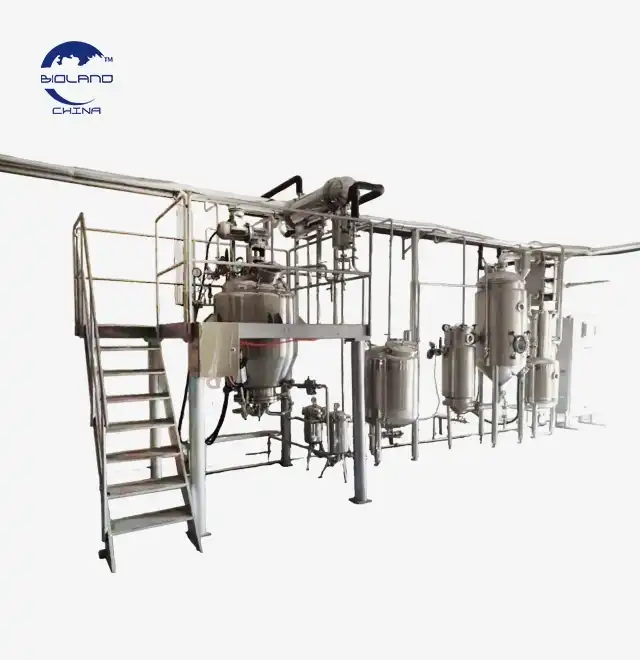
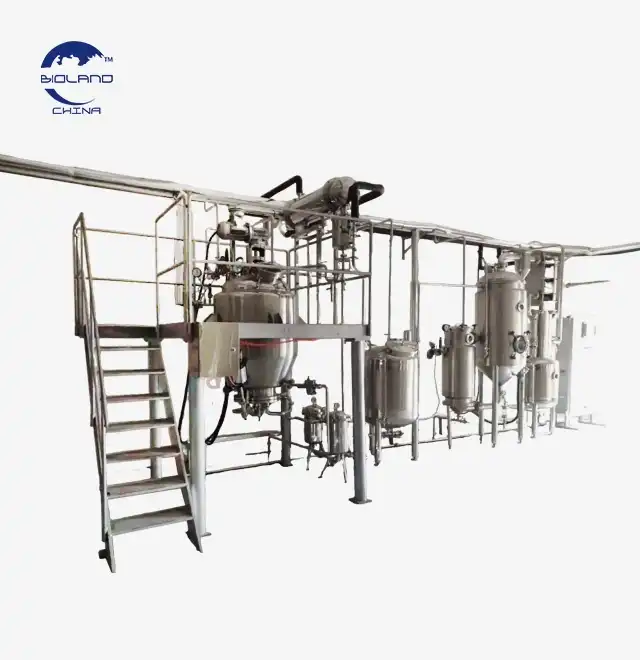
Solution: A Bioland instrument stevia plant extraction equipment production line — ultrasonic extraction tanks plus a tube-and-shell evaporator, condenser, oil separator and receiving vessels, all SUS304/316L.
Result: Extraction time cut from 3 hours to 35 minutes, glycoside recovery up around 30%, and reduced thermal degradation improved taste profile. Solvent usage dropped by roughly one third.
Specification Transparency You Can Compare
Bioland instrument publishes real technical parameters for its ultrasonic extraction and concentration series: 50L to 500L working volumes, evaporation capacity from 20 to 200 kg/h, motor power 2.7–3.5 kW, steam consumption 25–250 kg/h, system vacuum −0.085 MPa, jacket pressure 0.09–0.3 MPa and compressed air 0.5–0.6 MPa. Larger production-scale plant extraction equipment lines are engineered to order. Knowing these figures upfront lets you size utilities accurately instead of discovering shortfalls during commissioning.
Choosing Reliable Materials for Food Processing Applications
Matching Material Selection to Your Target Compound
Different botanicals stress steel differently. Flavonoid extraction from ginkgo, bamboo leaf, sophora bud, lotus leaf, chrysanthemum and onion skin runs well in 304. Quercetin and rutin recovery from larch, mulberry leaf and celery is similarly mild. But pigment extraction from plants — anthocyanins, betalains, carotenoids, chlorophyll, capsanthin and tangerine peel pigments — often involves acidified solvents that justify 316L. Bioland's process team reviews your feedstock, solvent, pH and temperature before recommending a plant extraction equipment configuration.
Case: Tea Polyphenol and Coffee Extraction Line
Application scenario: A beverage ingredient supplier extracting tea polyphenols, aromatic oils and amino acids, plus caffeine from coffee beans.
Pain point: Oxidation browning of polyphenols and inconsistent caffeine recovery between operators.
Solution: Twin 500L ultrasonic plant extraction equipment units with PLC control, online concentration monitoring, automatic discharge and recipe storage.
Result: Polyphenol yield improved approximately 40% at 50°C, batch-to-batch variation narrowed significantly, and operator dependency was largely eliminated through recipe automation.
Case: Propolis and Natural Pigment Production Lines
Application scenario: A bee-products company isolating flavonoids and phenolic acids from raw propolis.
Pain point: Waxy residue coating tank walls, slow manual cleaning, and low flavonoid recovery.
Solution: Ultrasonic-assisted ethanol extraction plant extraction equipment with 316L internals, mirror polish, CIP spray coverage and a low-temperature vacuum concentrator.
Result: Flavonoid recovery increased notably, cleaning labour fell by more than half, and the same line was later validated for anthocyanin pigment production without cross-contamination.
OEM/ODM, Lead Times and Lifetime Support
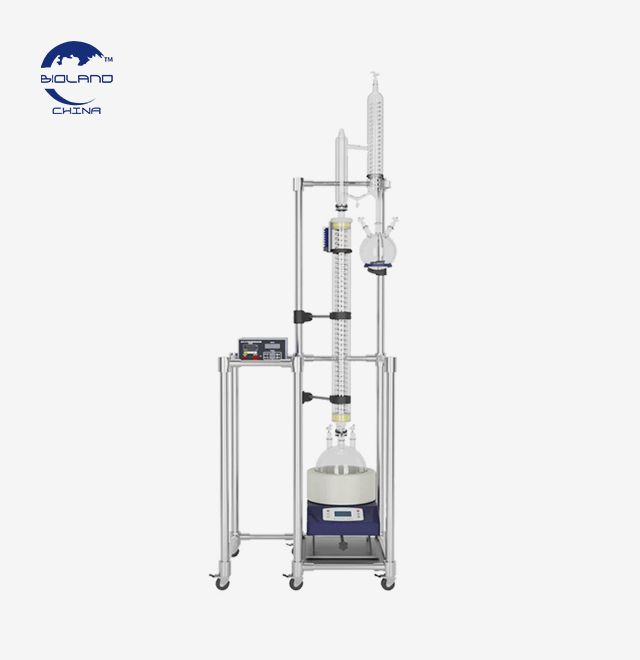
Bioland instruemnt welcomes OEM and ODM orders. Customised plant extraction equipment and complete production lines typically ship in 30 business days; standard catalogue units in 5–7 days. We support sea, rail and air freight, provide a one-year warranty with lifetime maintenance, and can arrange a Factory Acceptance Test at our Xi'an facility before shipment. Our multifunctional plant extraction equipment handles ultrasonic low-temperature extraction, solvent extraction, Soxhlet dynamic extraction, hot reflux, water or alcohol precipitation and percolation — one platform, many processes.
Conclusion
Food-grade stainless steel is not a cosmetic choice — it determines extract purity, regulatory compliance, cleaning efficiency and the working life of your investment. Certified SUS304 and SUS316L construction, mirror-polished contact surfaces, passivated welds, CIP integration and full material traceability are what separate professionalplant extraction equipment from a tank that merely looks the part. Across stevia, chilli oleoresin, mushroom polysaccharide, tincture, tea, propolis and natural pigment projects, Bioland's clients have gained shorter cycles, higher yields and clean audit outcomes. With 15+ years of experience, CE and ISO certification, GMP-compliant design and OEM/ODM flexibility, Bioland delivers complete solutions — not just vessels.
FAQ
1. Which stainless grade should I choose, 304 or 316L?
Use 304 for water and ethanol extractions of neutral botanicals; choose 316L when chlorides, organic acids or capsaicin-type chemistry are involved. Bioland advises per recipe.
2. Do you provide material certificates?
Yes. Every unit ships with mill test certificates, weld and surface-finish documentation, plus CE and ISO paperwork for GMP/FDA audits.
3. How much faster is ultrasonic extraction?
Typical cycles finish in 24–40 minutes with 50–500% higher extraction rates versus traditional methods, at 40–60°C.
4. What sizes are available?
Standard ultrasonic extraction and concentration units range from 50L to 500L, with larger production lines custom engineered.
5. What is the delivery time?
Customised equipment: about 30 business days. Standard models: 5–7 days. FAT can be arranged before shipment.
Talk to Bioland Instrument — Your Extraction Process Partner
Still deciding between suppliers? Send us your botanical, target compound, solvent and daily throughput, and Bioland Instrument will return a grade-specific material recommendation, a process flow and a transparent quotation. With 15+ years in distillation, concentration, reaction, extraction, separation, filtration, purification and drying systems, CE and ISO certification, GMP-compliant fabrication, an in-house R&D and engineering team, and proven production lines for stevia, chilli oleoresin, tea polyphenols, mushroom polysaccharides, goji, propolis and natural pigments, we deliver first-class plant extraction equipment at highly competitive prices. Weekly production photos or videos, FAT at our Xi'an factory, one-year warranty and lifetime maintenance included. OEM/ODM welcome. Email us atinfo@biolandequip.com — let's solve your process challenge together.
References
1. Chemat, F., Rombaut, N., Sicaire, A.-G., Meullemiestre, A., Fabiano-Tixier, A.-S., & Abert-Vian, M. Ultrasound Assisted Extraction of Food and Natural Products: Mechanisms, Techniques, Combinations, Protocols and Applications — A Review. Ultrasonics Sonochemistry, 2017.
2. Boulané-Petermann, L. Processes of Bioadhesion on Stainless Steel Surfaces and Cleanability: A Review with Special Reference to the Food Industry. Biofouling, 1996.
3. European Hygienic Engineering & Design Group (EHEDG). Doc. 8: Hygienic Design Principles for Food Factory Equipment. EHEDG, 3rd Edition.
4. ASTM International. ASTM A240/A240M — Standard Specification for Chromium and Chromium-Nickel Stainless Steel Plate, Sheet, and Strip for Pressure Vessels and for General Applications.
5. Holah, J. T., & Thorpe, R. H. Cleanability in Relation to Bacterial Retention on Unused and Abraded Domestic Sink Materials. Journal of Applied Bacteriology, 1990.
6. Lelieveld, H. L. M., Holah, J., & Napper, D. (Eds.). Hygiene in Food Processing: Principles and Practice. Woodhead Publishing, 2nd Edition.
The reactor is beautifully mirror-polished and fully complies with GMP requirements for the pharmaceutical industry. The performance is excellent! Overall, we are very satisfied! We also provided with some feedback on our process improvements, which we hope will be helpful.
2024-04-09
Laboratory
Excellent and professional service. Always reply our questions very fast. All reactors and chiller we received are good too.
2024-02-15
Research Institute
Quality is beyond our expectation actually. After we got the extraction equipment and started using it, the performance was beyond our expectation. Very easy to use and very efficient to run. Service always respond us very quickly. Was also very helpful to help us. Thanks Bioland team. Very happy to work with you.
2023-11-20
Biotech Company
We are happy about the new purchase as always. Equipment and services are both good.
2023-08-05
Instrument Lab
This is the second order with Bioland instrument and everything is good as the first dateText.
2023-05-12
Global Trading Partner
Bioland instrument team is very helpful and professional. The sales helped us select the right equipment for our application, and their logistics people handled the transportation and customs declaration for our shipment. All that saved us a lot of work.