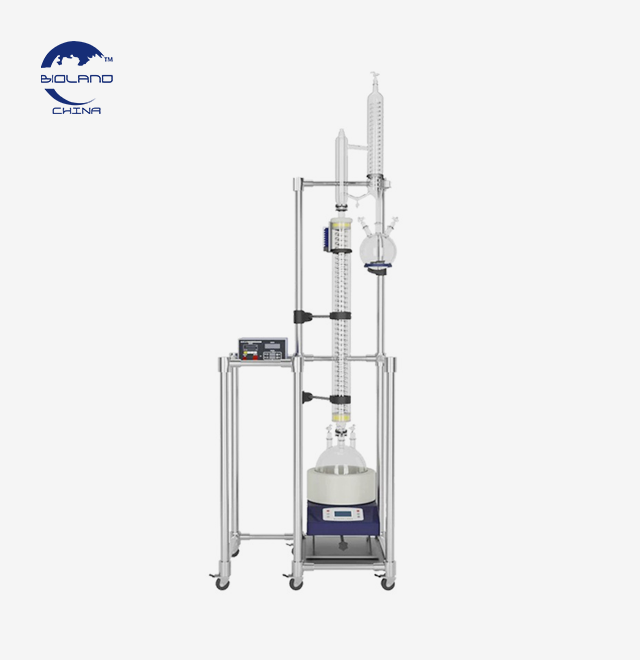
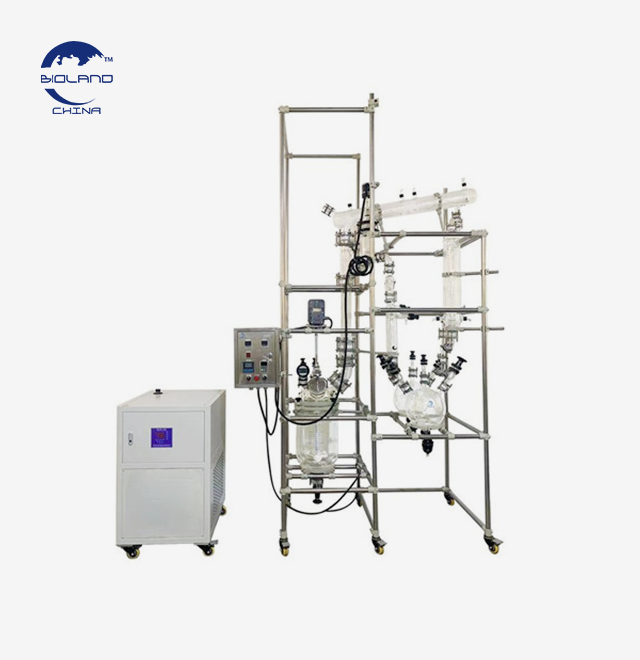
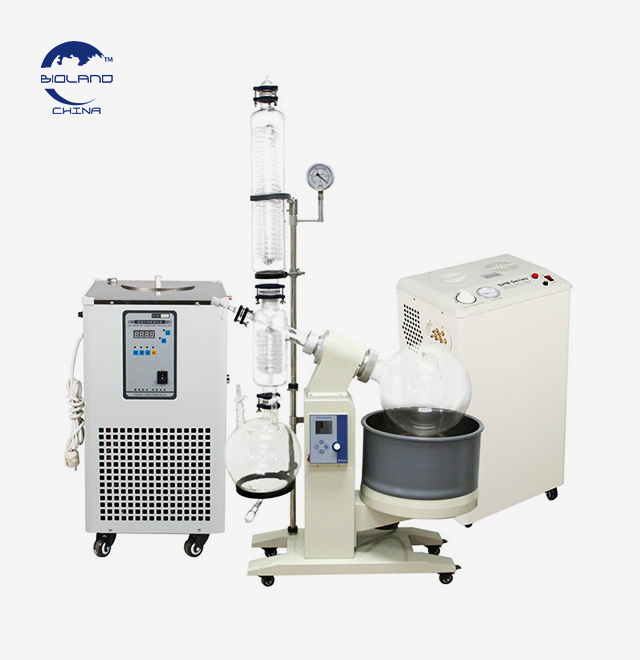
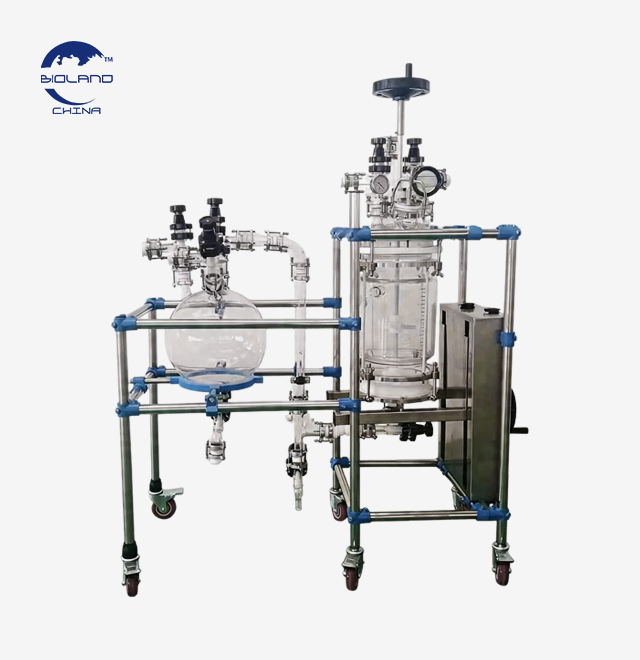
200L Glass Reactor Selection Guide for Chemical Processing
Jul 7, 2026
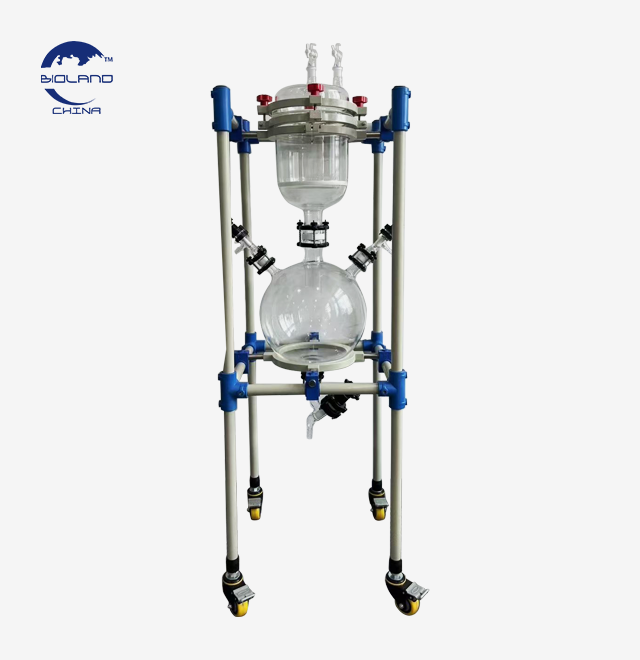
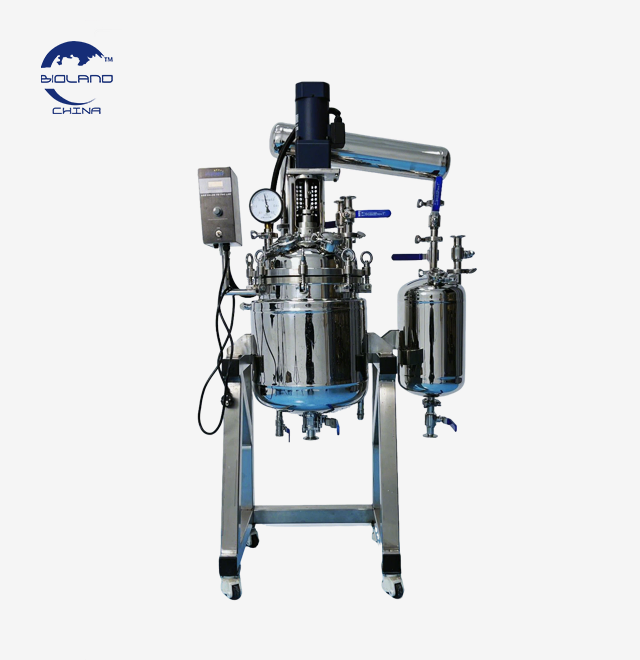
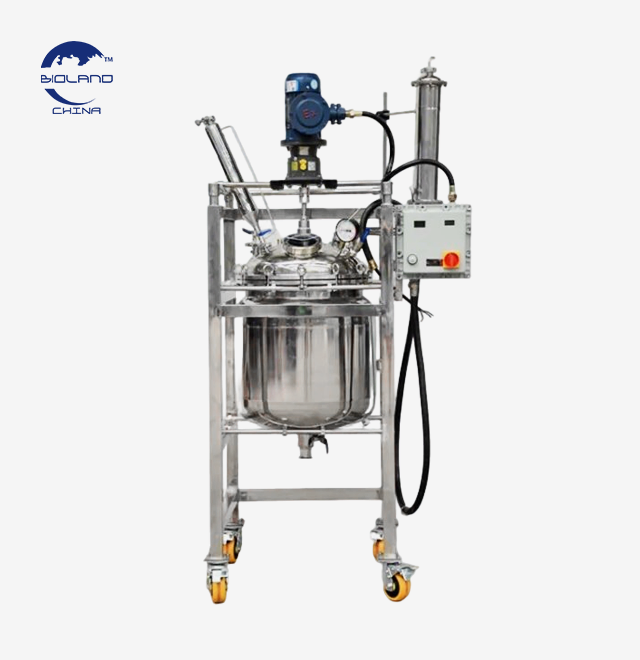
One of the most important things a process engineer or procurement manager will have to do when moving from bench-top tests to pilot or semi-industrial production is pick the right 200L glass reactor. A correctly chosen 200L glass reactor gives accurate temperature control, clear visual monitoring of the reaction, and high chemical resistance. This lets chemical, pharmaceutical, and fine-chemical producers go from lab formula to reliable production output without losing sight of the process. The 200L glass reactor line from Bioland Instrument has double-jacketed borosilicate glass construction, flexible flange setups, and possible explosion-proof and PLC-controlled automation. This gives buyers a base built for real production needs instead of just a glass tank. Before making a purchase, this guide shows you how to list your needs, compare specs, choose options, check for safety features, and check out sellers.
Define Your Process Requirements Before Selecting a 200L Glass Reactor
Before looking at different providers or price lists, you should make a list of exactly what the process needs from a 200L glass reactor. This is because the design that makes the most sense depends on the batch size, chemical makeup, temperature range, and operations that come after. As a 200L glass reactor is between small lab vessels and full production tanks, it is a test and semi-industrial scale. This means that the requirements set at this stage directly affect the stirring power, jacket design, and flange layout later on in the buying process.
Identifying Your Production Scale and Batch Volume Needs
Before buying, buyers should make sure that 200 liters is the right size for their batch cycle. If it's too small, it means more runs, and if it's too big, it wastes energy and floor space. Many companies that make pharmaceutical intermediates choose this size because it allows for test validation batches before committing to full commercial-scale tanks. This keeps the costs of raw materials low during trial runs.
Matching Reactor Capacity to Pilot-Scale or Semi-Industrial Goals
For scale-up studies, a 200-liter tank is often the best size. It's in the middle of 50-liter lab units and 100-liter or more production reactors. Teams that want to move a process to stainless steel production lines often use this size to test how the mixture mixes, how fast heat moves, and how fast reactions happen before deciding on the full-scale equipment specifications.
Assessing Chemical Compatibility and Process Complexity
As soon as possible, it is important to compare the full list of chemicals with charts that show how well they work with different materials. This is because strong acids, chlorine liquids, and oxidation-sensitive intermediates all behave differently in glass versus metal containers. When distillation, extraction, crystallization, or multi-step synthesis are done in the same vessel, they usually need more flange holes and a better jacket system.
A biopharmaceutical company in South America came to Bioland Instrument because their fermentation cycles were too long and their control during intermediate synthesis wasn't precise enough. Standard tanks were not ideal for their process because the materials were sensitive to oxidation.
Bioland Instrument made a special 100L double-layer glass reactor with a new stirrer that increased the efficiency of dissolved oxygen by about 30% and shortened the time it took for fermentation to happen. Technicians could see the color change and precipitation happen in real time because the vessel was clear. This made the batches more consistent for sterile, temperature-sensitive synthesis.
Key Technical Specifications That Influence Reactor Performance
There are technical specifications that tell you if a 200L glass reactor will work in real life after the process requirements are set. Temperature range, vacuum capability, stirring design, and glass grade all affect how well a reaction works. Buyers who don't pay attention to any of these factors often find that their reactor doesn't work well once it's installed, even if the vessel size they chose on paper was the right one for their needs.
Temperature Control Range and Dual-Jacket Design
Bioland's 200L glass reactor has a double-jacket structure that can withstand temperatures ranging from -80°C for low-temperature condensation to about 300°C for high-temperature reactions. This means that one vessel can be used for cooling, reflux, and high-heat synthesis steps without having to switch out equipment. Exothermic reactions don't happen outside of safe operating windows because the jacket is always moving.
Vacuum Capability and Distillation Efficiency
When paired with a vacuum pump, the system can reach a pressure of about -0.095 MPa. This improves the performance of evaporation and reflux during the distillation and solvent recovery steps. This vacuum depth is very important for buyers who are using fractional distillation or solvent-stripping stages as part of a workflow that combines synthesis and purification.
Agitation Speed and Stirring Mechanism Design
Spark-free motors with variable frequencies let you fine-tune the mixing strength, which has an impact on both mass transfer and the spreading of solids and biological materials that are sensitive to shear. Correct stirrer geometry, which is based on the redesign of the agitator used in the fermentation case above, can change the amount of dissolved oxygen and the consistency of the reaction in a meaningful way.
Glass Material Grade and Wall Thickness
GG17 borosilicate glass is much better at resisting thermal shock and chemical attack than regular lab glass. Also, a 200L glass reactor's consistent wall thickness lowers the risk of stress fractures during rapid heating or cooling cycles, which is an important thing for buyers who will be doing a lot of high-temperature batches.
How to Choose the Right Configuration and Optional Components
A 200L glass reactor is rarely bought by itself; instead, it is put together with the right accessories and control options for the specific tasks it needs to do. If you choose the right mix at the start, you won't have to pay for expensive changes later on, and the reactor will be able to handle steps like distillation, crystallization, or extraction without needing to buy any extra equipment.
Standard Flange Openings and Modular Accessory Integration
Standard six-neck reactor lids let condensers, dropping funnels, temperature probes, and vacuum lines connect directly to the vessel. This means that a 200L glass reactor can be used for different processes like crystallization, extraction, distillation, or catalysis by just swapping out the attached parts.
Lifting and Rotating Structures for Easier Operation
A lifting and moving reactor body makes it easier to charge, discharge, and clean between batches. This cuts down on the time needed for physical work and increases the life of the equipment. This structural feature is especially helpful for operators who do several batches a week and need to keep an eye on the turnaround time because it affects the overall throughput.
Explosion-Proof and PLC Automation Options
For flammable solvents or dangerous work areas, Bioland Instrument has fully explosion-proof systems built to Exd◡BT4 standards. These systems include PLC-controlled automation and built-in temperature control, so operators can control reaction parameters from afar instead of having to make adjustments by hand.
Custom OEM/ODM Configuration for Specialized Processes
Bioland Instrument offers more than just standard options. They can fully customize non-standard options like tail gas absorption units, rectification columns, ultrasonic crystallization modules, and purification-concentration attachments to fit the needs of each client's experiment or production, instead of forcing a one-size-fits-all vessel onto every process.
A European company that deals in valuable metals needed to increase the amount of solvent extraction and processing it did, but the equipment it already had was too small and not flexible enough to fit a new production line. Both the amount of processing and the efficiency of separation fell short of goals.
Bioland Instrument sent four special 200L double-layer glass reactors that are explosion-proof along with nine 50L explosion-proof rotating evaporators. These were made for production that is very toxic and dangerous. All units met ExdⅡBT4 explosion-proof standards.
Because modular production cut delivery time by about 40%, the client could start doing business 15 days early. The annual production capacity went up by about 30%, and the equipment ran for more than 1,000 hours without breaking down, showing that it can withstand continuous use with corrosive media.
Safety Features and Material Compatibility to Consider
Safety cannot be an afterthought when specifying a200L glass reactorfor corrosive, flammable, or oxidation-sensitive chemistry. Material suitability, sealing integrity, and motor design all lower operational risk. Buyers should treat these features as must-haves instead of extras they can choose not to have when examining providers.
GG17 Borosilicate Glass Resistance to Acids and Solvents
GG17 glass withstands strong acids, strong bases, and aggressive organic solvents without leaching metal ions into the reaction mass, which is essential for pharmaceutical intermediates and bioactive compound synthesis where purity directly affects product quality and regulatory acceptance.
Dual Sealing Systems for Leak Prevention
A double layer of protection against leakage is provided by a PTFE and mechanical seal arrangement. This helps with inert gas blanketing for oxygen-sensitive syntheses like making chiral intermediates, where even small amounts of air can lower yield or selectivity.
Explosion-Proof Motors and Spark-Free Operation
Variable-frequency motors that are made to run quietly and without sparks lower the risk of an explosion when working with flammable liquids. This is an important safety measure for any facility that works with volatile organic compounds in batches that run continuously or semi-continuously.
Certifications: CE, ISO, GMP, FDA Compliance
Bioland Instrument's equipment is made in a way that meets GMP and FDA standards and is certified by ISO and CE. This gives buyers in the food and pharmaceutical industries the paperwork they need for regulatory audits and to get permission to sell their products in Europe and Southeast Asia.
A company that makes chemical intermediates needed a 200L glass reactor to process nitric acid and make acidified glycerin. Both of these processes use highly corrosive media that had broken down previous equipment and made it hard to get consistent results.
Bioland's double-jacketed borosilicate design could withstand long-term acid exposure while keeping precise temperature control across a wide range. This allowed the client to run continuous batches of corrosive media without having to worry about metal contamination or seal failures.
Checklist for Selecting a Reliable 200L Glass Reactor Supplier
The supplier of a200L glass reactor is just as important as the equipment itself. This is because production quality, communication during manufacturing, and support after the sale all affect how well the reactor works over its entire service life. The actual differences between reliable makers and cheaper, less responsible sellers are shown below in the form of a checklist.
Verifying Manufacturing Experience and Technical Team Capability
Bioland Instrument has been making equipment for reactions, distillation, extraction, filtration, and crystallization for more than 15 years. They have an in-house R&D and engineering team that makes sure that every 200L glass reactor and related system is made with strict quality control in mind.
Reviewing Customization and OEM/ODM Track Record
Buyers should check a supplier's track record of completed custom projects. This is because non-standard needs related to size, shape, material, or integrated systems need real engineering skills instead of just putting together parts from a catalog. Bioland Instrument is happy to take OEM and ODM orders and often designs custom solutions based on what the customer wants.
Evaluating After-Sales Support and Production Transparency
A reliable supplier gives dedicated staff the job of tracking production once a week and sharing photos or videos of the progress so buyers can see it from afar. When it's done, detailed inspection video is sent to the client before the equipment is shipped, and once the equipment is ready, the client can also set up a Factory Acceptance Test on-site.
Confirming Certifications, Lead Times, and Shipping Options
It usually takes about 30 business days to ship a customized 200L glass reactor, while regular units usually get sent out in 5 to 7 days. Bioland Instrument works with freight by sea, rail, and air. They offer a one-year warranty on all of their products and offer maintenance for life. They are also currently CE and ISO certified.
Conclusion
When choosing a 200L glass reactor, it's not just about price, but also about how well it fits your process needs, technical specs, safety features, and how reliable the provider is. With more than 15 years of engineering experience, compliance with CE/ISO/GMP/FDA standards, and proven OEM/ODM customization in pharmaceutical, chemical, and precious metals case studies, Bioland Instrument is more of a solutions partner than just a supplier of equipment. Along with the reactor's core technical capabilities, buyers in this category should put transparency, documented performance, and after-sales support at the top of their lists.
FAQ
What batch sizes work with a 200L glass reactor?
As a bridge between lab-scale 50L units and full production lines above 500L, it can handle both pilot-scale and semi-industrial amounts.
Why do you ask? Can the reactor handle strong acids?
Yes, GG17 borosilicate glass can stand up to strong acids, bases, and organic fluids without getting harmed by metal ions.
Is there an explosion-proof configuration?
Bioland Instrument does offer Exd–BT4-rated explosion-proof systems with PLC automation for work that is dangerous.
How long does it take to customize?
Standard units ship in 5–7 days, while customized units take about 30 business days.
Does the gear meet GMP standards?
Yes, along with CE and ISO certification, all units meet GMP and FDA standards.
Get a Custom 200L Glass Reactor Quote from Bioland Instrument
Selecting the right 200L glass reactor is a critical investment that directly affects process efficiency, product quality, and long-term operating costs. As discussed throughout this guide, choosing the right reactor involves much more than comparing vessel capacities—it requires evaluating process requirements, temperature and pressure performance, material compatibility, safety features, automation options, and the supplier's engineering capabilities.
Still not sure which setup will work best for your production line? Bioland Instrument has been making reaction, distillation, extraction, and filtration equipment for chemical, pharmaceutical, and food manufacturers around the world for over 15 years. Their work is backed by CE, ISO, GMP, and FDA compliance. Our in-house R&D team can make a 200L glass reactor that fits your exact process, or they can make a fully customized, explosion-proof, PLC-controlled system that does everything for you. We can handle OEM/ODM orders, track production weekly with photo and video updates, and do Factory Acceptance Testing right here in the factory. Get in touch with us at info@biolandequip.com to talk about your needs, get a price, or start making plans for your pilot-scale response system right away.
References
1. Perry, R. H., & Green, D. W. (2019). Perry's Chemical Engineers' Handbook (9th ed.). McGraw-Hill Education.
2. Sinnott, R. K., & Towler, G. (2019). Chemical Engineering Design (6th ed.). Butterworth-Heinemann.
3. Nauman, E. B. (2008). Chemical Reactor Design, Optimization, and Scaleup (2nd ed.). John Wiley & Sons.
4. Levenspiel, O. (1999). Chemical Reaction Engineering (3rd ed.). John Wiley & Sons.
5. Paul, E. L., Atiemo-Obeng, V. A., & Kresta, S. M. (2004). Handbook of Industrial Mixing: Science and Practice. Wiley-Interscience.
6. International Society for Pharmaceutical Engineering (ISPE). (2021). Good Practice Guide: Process Scale-Up and Technology Transfer. ISPE.
The reactor is beautifully mirror-polished and fully complies with GMP requirements for the pharmaceutical industry. The performance is excellent! Overall, we are very satisfied! We also provided with some feedback on our process improvements, which we hope will be helpful.
2024-04-09
Laboratory
Excellent and professional service. Always reply our questions very fast. All reactors and chiller we received are good too.
2024-02-15
Research Institute
Quality is beyond our expectation actually. After we got the extraction equipment and started using it, the performance was beyond our expectation. Very easy to use and very efficient to run. Service always respond us very quickly. Was also very helpful to help us. Thanks Bioland team. Very happy to work with you.
2023-11-20
Biotech Company
We are happy about the new purchase as always. Equipment and services are both good.
2023-08-05
Instrument Lab
This is the second order with Bioland instrument and everything is good as the first dateText.
2023-05-12
Global Trading Partner
Bioland instrument team is very helpful and professional. The sales helped us select the right equipment for our application, and their logistics people handled the transportation and customs declaration for our shipment. All that saved us a lot of work.