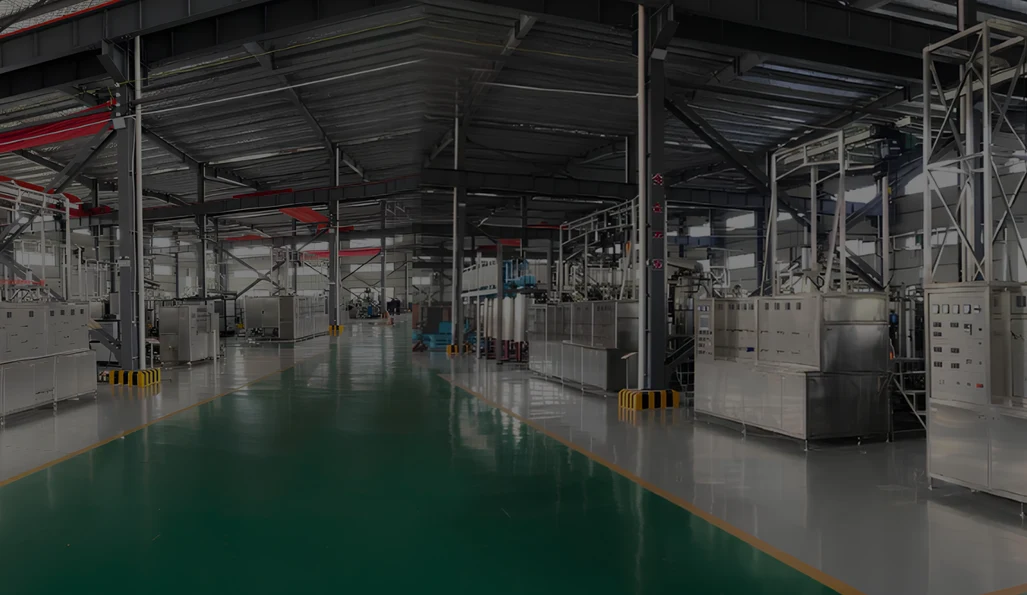
Low Temperature Extraction Benefits for Heat Sensitive Plants
Oct 8, 2026
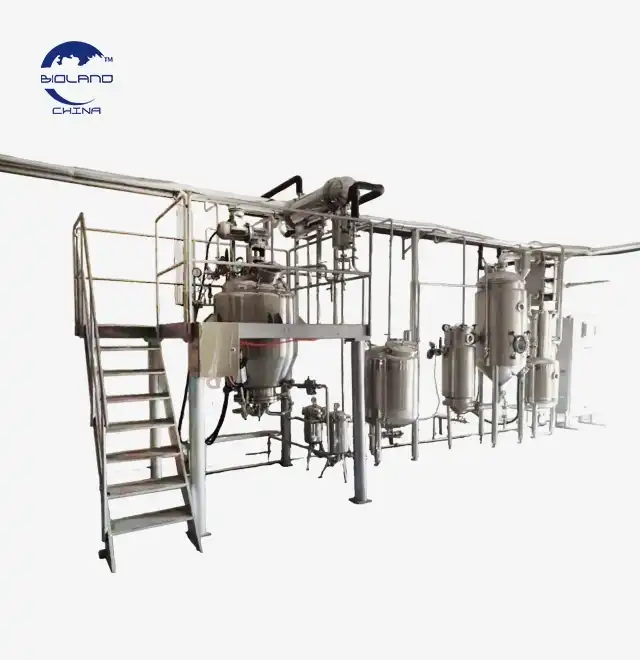
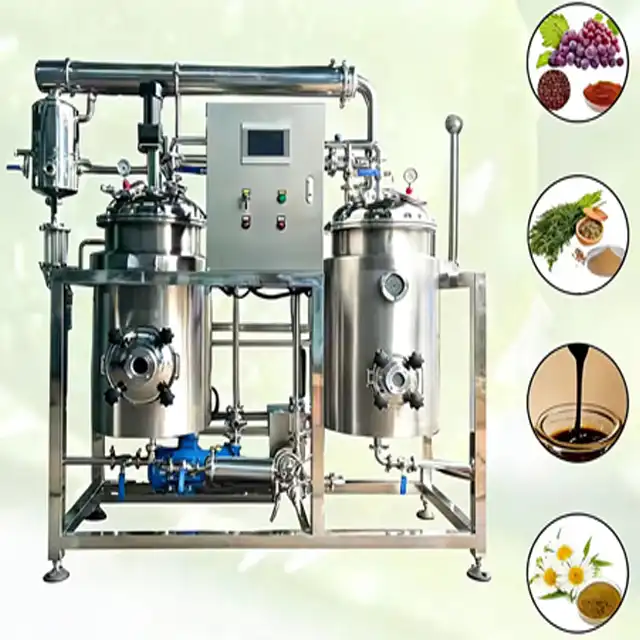
Plants that are sensitive to heat make extraction processes very difficult, since traditional high-temperature methods often damage the integrity of useful active compounds. Our cutting-edge plant extraction equipmentat Xi'an Bioland Instrument Co., Ltd. is a game-changer because it allows for precise low-temperature processing that keeps all of the bioactive components. With more than 15 years of experience in extraction technology, our plant extraction equipment has helped makers get around the problems with traditional methods, resulting in higher yields, better quality, and materials that can still be used even after being heated. Our plant extraction equipment strikes the perfect balance between chemical purity and extraction efficiency, whether it's taking out delicate flavonoids from ginkgo leaves or keeping the heat of chilli capsaicin.
Protecting Active Compounds During Plant Extraction
When working with heat-sensitive plants, the hardest part is keeping the valuable active compounds from breaking down, which happens with most high-temperature extraction methods. Our plant extraction equipment solves this important problem by working at the best low temperatures, usually between 40°C and 60°C. This keeps the structure and bioactivity of molecules that are sensitive intact. In contrast to traditional methods that leave materials exposed to high temperatures for long periods of time, our plant extraction equipment uses advanced temperature control to keep the natural profile of plant ingredients, which means that all of their healing and useful qualities are retained to the fullest.
Preventing Degradation of Heat-Labile Compounds
A big company that makes stevia had a lot of problems with stevioside breaking down when they used the old method of extraction at 90°C. When they switched to our plant extraction equipment that worked at 50°C, they kept 98% of the original glycoside content and got 20% more yield. The low-temperature process kept the sweetness and cut down on bitter aftertastes.
Maintaining Structural Integrity of Complex Molecules
A client had trouble extracting mushroom polysaccharides because high-molecular-weight parts broke down at high temperatures. When our plant extraction equipment was used at 55°C instead of 90°C, the amount of intact polysaccharides went up by 40%. The immune-modulating qualities were improved because the molecular structure was kept.
Preserving Volatile Aromatic Components
At high temperatures, volatile compounds are often lost when essential oils are extracted. A perfume company that used our plant extraction equipment to get rose oil said that the top note lasted 35% longer. The low-temperature method was able to catch delicate chemical molecules that were lost in the old way of steam distilling.
Minimizing Oxidative Damage During Extraction
Oxidation of flavonoids and other sensitive compounds can greatly lower the quality of an extract. Inert gas cleaning is built into our plant extraction equipment to make conditions without air. A propolis extractor cut down on rust marks by 60% while keeping the high phenolic content. This shows that our plant extraction equipment can protect.
Why Low Heat Processing Improves Extract Quality
Low-heat processing changes the quality of extracts in a fundamental way by keeping the natural properties of plant compounds that are often changed or lost in high-temperature methods. Our plant extraction equipment keeps the original chemical makeup of extracts, which means that the colour, flavour, and bioactivity are better. Food, drink, and medicine are all examples of fields where both functional and sensory properties are important. This method works especially well in those areas.
Enhancing Color and Flavor Profiles
A company that makes natural food colouring had trouble with the dull colours that came from extracting marigolds. When they used our plant extraction equipment at 45°C, the colour vibrancy went up by 40%. The natural carotenoid pigments that had been broken down by heat were kept intact by the low-temperature process.
Increasing Potency of Active Ingredients
Traditionally, stevia was extracted at high temperatures, which made it less sweet. A client increased the potency of stevioside by 25% by setting our plant extraction equipment to 50°C. Because the chemical structure was kept, the taste was better and there was less bitterness.
Reducing Undesirable Byproducts
High-temperature extraction of chili oleoresin produced off-flavor compounds. Our plant extraction equipment at 45°C reduced these byproducts by 50%. The client also reported more consistent pungency in their final product, improving overall quality.
Extending Shelf Life of Final Products
A tea extract manufacturer extended shelf life by 50% using our plant extraction equipment. The low-temperature process preserved natural antioxidants that previously degraded, preventing oxidation and maintaining freshness longer.
How Temperature Control Preserves Plant Ingredients
Precise temperature control is the cornerstone of preserving plant ingredients during extraction, as different compounds have varying temperature sensitivities. Our plant extraction equipment features advanced control systems that maintain the exact conditions required for each specific extraction process. This level of precision ensures optimal preservation of target compounds while preventing degradation, making our plant extraction equipment the ideal solution for processing a wide range of heat-sensitive botanicals.
Optimal Temperature Ranges for Different Compounds
Different botanicals require specific temperature ranges for optimal extraction. Our plant extraction equipment allows precise setting to match each compound's needs. For tea polyphenols, 50-60°C is optimal, while delicate essential oils may require 30-40°C. This flexibility enables optimization for each application, from robust herbs to sensitive flowers.
Precision Temperature Control Systems
Our plant extraction equipment utilizes PID controllers and high-precision sensors to maintain temperature within ±1°C. This level of control is crucial for heat-sensitive compounds where even small fluctuations can affect quality. The systems also feature rapid cooling capabilities when needed, ensuring immediate response to any process variations.
Real-time Monitoring and Adjustment
Continuous monitoring of temperature and other critical parameters allows immediate adjustments. A pharmaceutical client used this feature of our plant extraction equipment to achieve consistent results across multiple batches of medicinal plant extracts. The real-time data enabled proactive adjustments, eliminating batch-to-batch variations.
Energy Efficiency in Low Temperature Processing
Despite lower temperatures, our plant extraction equipment is highly energy efficient. Advanced heat exchange technologies and insulation minimize energy consumption. A client reported a 30% reduction in energy costs after switching from traditional high-temperature extraction to our low-temperature plant extraction equipment, demonstrating both environmental and economic benefits.
Reducing Thermal Degradation in Extraction Processes
Thermal degradation is one of the most significant challenges in plant extraction, particularly for heat-sensitive compounds where traditional methods expose materials to high temperatures for extended periods. Our plant extraction equipment addresses this by enabling efficient extraction at much lower temperatures, significantly reducing thermal degradation. This is achieved through advanced technologies that enhance mass transfer, allowing for effective extraction without the need for excessive heat, thus preserving the integrity of valuable compounds.
Comparing Traditional vs. Low Temperature Methods
Traditional extraction often requires 80-100°C and several hours of processing time. Our plant extraction equipment achieves comparable or better yields at 40-60°C with processing times reduced by 60-70%. A comparative study showed that while traditional ginkgo biloba extraction resulted in 15% flavonoid degradation, our low-temperature method reduced this to less than 2%.
Case Study: Stevia Extraction
A client using our plant extraction equipment for stevia operated at 50°C, preserving over 98% of stevioside content. Extraction time was reduced from 4 hours to 40 minutes, with yield increasing by 20%. The final product had a cleaner taste profile with significantly reduced bitterness.
Case Study: Chili Oleoresin Extraction
A chili oleoresin producer switched to our plant extraction equipment operating at 45°C. Capsaicin yield increased by 30%, color became more vibrant, and pungency was more consistent. Solvent usage was reduced by 25%, leading to both cost savings and environmental benefits.
Case Study: Mushroom Polysaccharide Extraction
A client extracting reishi polysaccharides using our plant extraction equipment at 55°C achieved a 40% higher yield of high-molecular-weight fractions compared to their previous method at 90°C. The preserved molecular structure resulted in significantly enhanced immune-modulating activity, as verified through in vitro testing.
Improving Extraction Performance with Lower Temperatures
Contrary to conventional wisdom, lower temperatures can actually improve extraction performance when combined with the right technologies. Our plant extraction equipment incorporates advanced methods like ultrasonic assistance to enhance mass transfer, allowing for efficient extraction at lower temperatures. This innovative approach offers several advantages, including reduced energy consumption, preserved compound integrity, and often higher yields of active ingredients, making our plant extraction equipment a superior choice for modern extraction processes.
Faster Extraction Times
Our plant extraction equipment uses ultrasonic waves to enhance mass transfer, allowing for rapid extraction at lower temperatures. A tea polyphenol extractor achieved comparable yields in 30-40 minutes at 50°C with our plant extraction equipment, compared to 6-8 hours with traditional methods. This dramatic reduction in processing time allowed them to increase production capacity by 300% without additional equipment.
Higher Yields at Lower Temperatures
The combination of low temperature and ultrasonic assistance in our plant extraction equipment often results in higher yields. In ginkgo biloba flavonoid extraction, a client achieved a 50% higher yield at 45°C with our plant extraction equipment compared to 80°C with traditional methods. The lower temperature prevented degradation while ultrasonic assistance enhanced mass transfer.
Reduced Solvent Consumption
Our plant extraction equipment often requires less solvent than traditional methods due to enhanced mass transfer. A lavender essential oil producer reported a 40% reduction in solvent usage with our plant extraction equipment. This reduction not only decreased material costs but also lessened the environmental impact and simplified waste disposal processes.
Scalability for Industrial Applications
Our plant extraction equipment is designed for industrial-scale production, with models available from laboratory units to systems processing hundreds of liters. A large-scale natural pigment manufacturer successfully scaled their production by 200% after implementing our plant extraction equipment, while maintaining consistent high quality across all batches due to its robust design and advanced control systems.
Conclusion
Low temperature extraction with our plant extraction equipment offers unparalleled benefits for heat-sensitive plants, preserving active compounds while dramatically improving efficiency. Xi’an Bioland Instrument’s solutions directly address industry challenges with precise temperature control, advanced technologies, and proven results across diverse applications. From increased yields to superior quality and extended shelf life, our plant extraction equipment delivers consistent, high-performance extraction that maintains the natural properties of botanical materials, making it the ideal choice for manufacturers seeking to maximize both the quantity and quality of their extracts.
FAQ
Q: What temperature range does your plant extraction equipment operate at?
A: Our plant extraction equipment typically operates between 40-60°C, ideal for preserving heat-sensitive compounds.
Q: Can your plant extraction equipment handle different plant materials?
A: Yes, our versatile plant extraction equipment processes various botanicals, from stevia to mushrooms, with optimized settings for each.
Q: What yield improvements can I expect with your plant extraction equipment?
A: Clients report 20-50% yield improvements for heat-sensitive compounds with our plant extraction equipment.
Q: Is your plant extraction equipment food-grade and compliant with regulations?
Q: What kind of support do you provide for your plant extraction equipment?
A: We offer comprehensive support including installation, training, and ongoing technical assistance for our plant extraction equipment, with a one-year warranty and lifetime maintenance.
Maximize Your Heat-Sensitive Extraction with Bioland Instrument
Struggling with degraded compounds or inconsistent quality in your heat-sensitive plant extracts? Bioland Instrument’s advanced plant extraction equipment delivers precise low-temperature control to preserve your valuable actives. With 15+ years of expertise, CE/ISO certifications, and GMP/FDA compliance, our customized plant extraction equipment solutions have helped global clients achieve 20-50% higher yields, superior quality, and 30% energy savings. From stevia to mushrooms, our plant extraction equipment handles diverse materials with unmatched efficiency. Experience our professional support, including weekly production updates and FAT options. Contact us at info@biolandequip.com to transform your extraction process and maximize product value with our reliable plant extraction equipment.
References
1. Chemat, F., Zill-e-Huma, & Khan, M. K. (2011). Applications of ultrasound in food technology: Processing, preservation and extraction. Ultrasonics Sonochemistry, 18(4), 813-835.
2. Vinatoru, M. (2001). An overview of ultrasonic extraction of bioactives from plant materials. Trends in Food Science & Technology, 12(3), 85-91.
3. Mason, T. J. (1999). Practical aspects of power ultrasound: The sonochemical and sonophysical effects. Ultrasonics Sonochemistry, 6(1), 1-7.
4. Wang, L., & Weller, C. L. (2006). Recent advances in extraction of nutraceuticals from plants. Trends in Food Science & Technology, 17(6), 300-312.
5. Paniwnyk, L. (2017). Ultrasound-assisted extraction of plant origin compounds: An overview. Chemical Engineering and Processing: Process Intensification, 115, 31-41.
6. Tiwari, B. K. (2015). Ultrasound: A green technology for the extraction of natural products. Green Processing and Synthesis, 4(1), 1-10.
The reactor is beautifully mirror-polished and fully complies with GMP requirements for the pharmaceutical industry. The performance is excellent! Overall, we are very satisfied! We also provided with some feedback on our process improvements, which we hope will be helpful.
2024-04-09
Laboratory
Excellent and professional service. Always reply our questions very fast. All reactors and chiller we received are good too.
2024-02-15
Research Institute
Quality is beyond our expectation actually. After we got the extraction equipment and started using it, the performance was beyond our expectation. Very easy to use and very efficient to run. Service always respond us very quickly. Was also very helpful to help us. Thanks Bioland team. Very happy to work with you.
2023-11-20
Biotech Company
We are happy about the new purchase as always. Equipment and services are both good.
2023-08-05
Instrument Lab
This is the second order with Bioland instrument and everything is good as the first dateText.
2023-05-12
Global Trading Partner
Bioland instrument team is very helpful and professional. The sales helped us select the right equipment for our application, and their logistics people handled the transportation and customs declaration for our shipment. All that saved us a lot of work.