When to Use a Nutsche Filter Reactor in Pharmaceutical Production
Jul 13, 2026
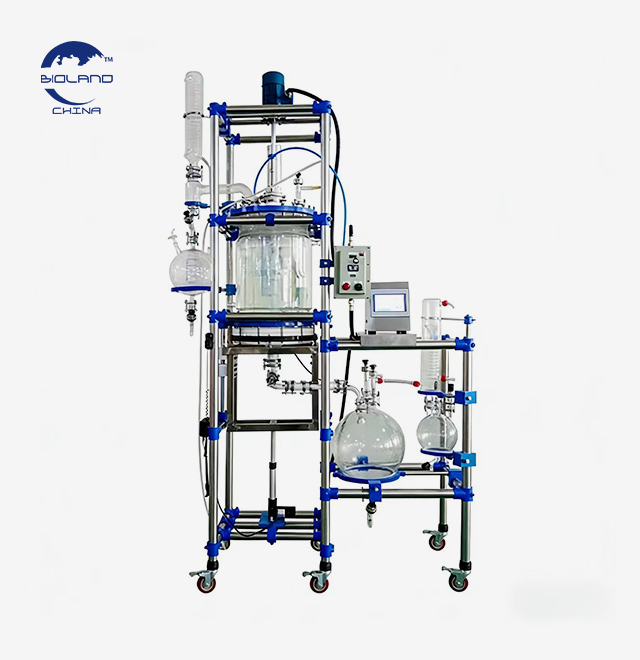
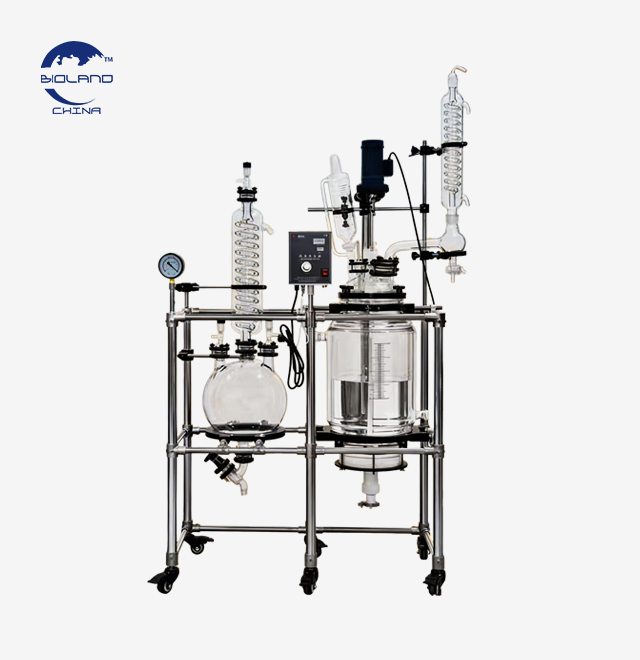
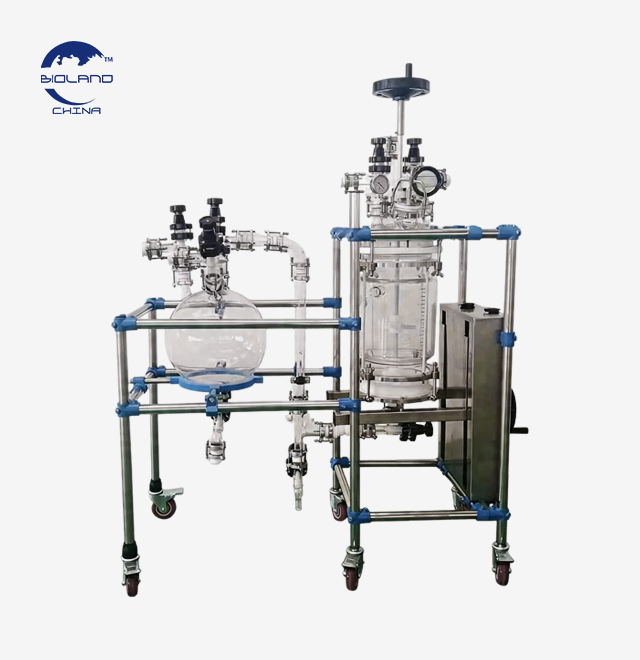
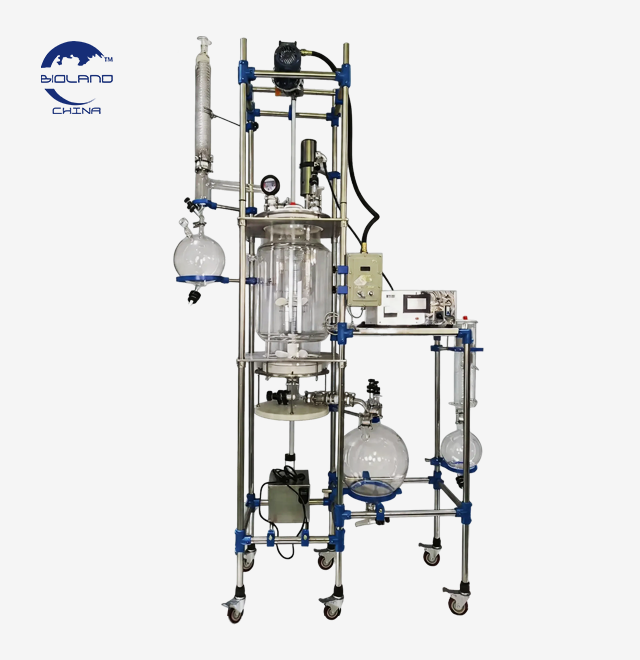
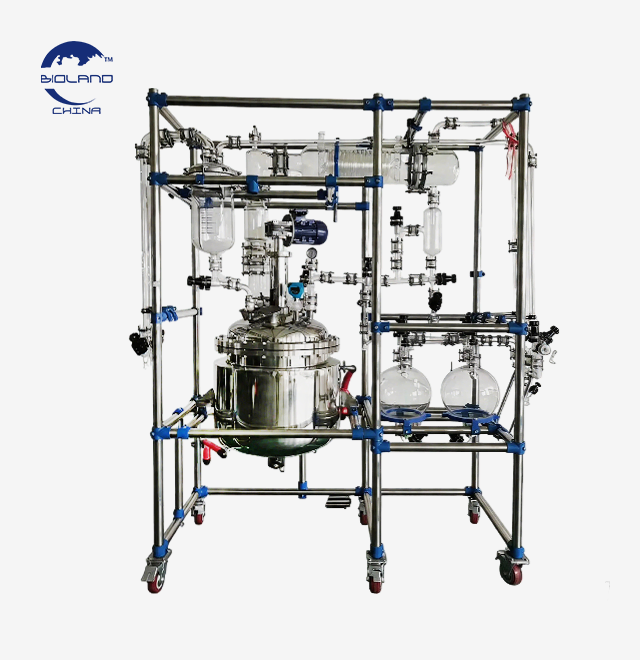
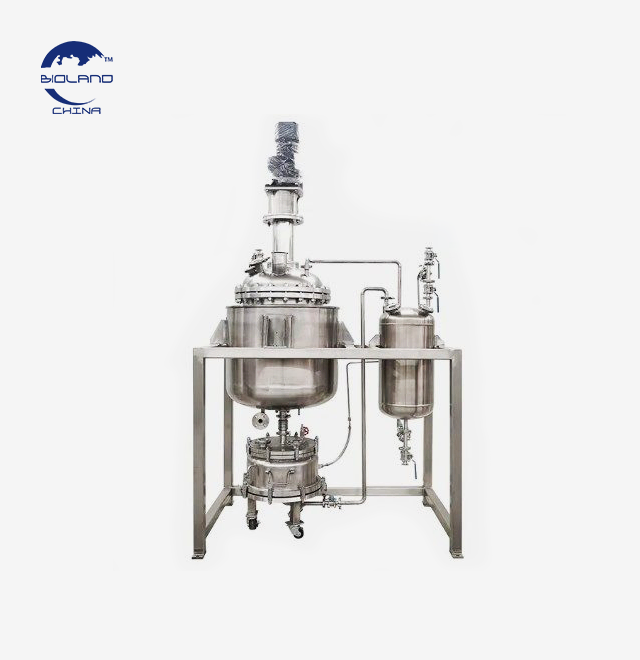
It is important to know when to use anutsche filter reactor instead of a separate filter followed by a separate dryer. This can mean the difference between a clean, approved API batch and one that loses purity, yield, or GMP compliance during transfer. Bioland Instrument's nutsche filter reactor is designed to answer that question for pharmaceutical companies. It is a single sealed vessel made of high borosilicate glass or corrosion-resistant alloys that filters, washes, and dries the filter cake in place. It has PTFE filtration, programmable agitation, and GMP/FDA-compliant construction. This article talks about the pharmaceutical processes that a nutsche filter reactor clearly helps the most. It also talks about how the integrated design actually works against traditional multi-step separation, what you should look at before choosing a unit, and how to keep the equipment in line with GMP standards as your process grows.
Key Pharmaceutical Processes That Benefit from a Nutsche Filter Reactor
Isolating and Purifying Active Pharmaceutical Ingredients
Most of the time, pharmaceutical companies use a nutsche filter reactor to separate APIs. When a synthesis reaction is finished, the slurry that is left over needs to be filtered, cleaned to get rid of any remaining solvents or impurities, and dried while keeping the crystal shape and particle size that is needed for regulatory files. All three steps of a nutsche filter reactor are done inside a single sealed vessel. This means that the API is never exposed to air or a second piece of equipment, which directly lowers the risk of contamination at a stage where GMP scrutiny is highest.
Peptide and Antibiotic Intermediate Recovery
To keep sensitive molecules from breaking down, peptide synthesis, antibiotic fermentation broths, and other biologically produced intermediates often need to be filtered gently and at low temperatures. For antibiotic purification, a nutsche filter reactor with jacket-based temperature control is very useful because it lets manufacturers filter and wash these intermediates at controlled temperatures and then dry the same cake in place under vacuum. This is especially helpful because re-exposing the cake to ambient conditions between steps can change its potency.
Crystallization-Driven Purity Control for Chiral and Polymorphic Compounds
A lot of current APIs need a certain crystal polymorph or chiral form to work the way they're supposed to, and that form can change if the crystal is moved from one piece of filter and drying equipment to another. Running crystallization, filtration, and drying all in one nutsche filter reactor keeps the crystal lattice from being mechanically disturbed as little as possible. This helps manufacturers keep the target polymorph the same from batch to batch, which is something that regulatory bodies are starting to expect to see documented in process validation packages.
Fine Chemical and Precursor Filtration Feeding Into Pharmaceutical Supply Chains
A nutsche filter reactor does more than just make finished APIs. It also separates fine chemical intermediates and precursors that are used in the production of pharmaceuticals. As the same platform can handle corrosive reagents, high-purity solvent systems, and precise particle size control, pharmaceutical intermediate producers use it to standardize quality before the material even gets to a formal API manufacturing site. This cuts down on variation that would have to be fixed further down the line.
Advantages of Integrating Filtration, Washing, and Drying in One System
Eliminating Product Loss and Contamination from Multi-Step Transfers
When a wet cake moves from a filter to a different dryer, some of the product is lost because of residue on the transfer lines. Also, every open transfer gives airborne contaminants or moisture a chance to pick up. This risk is completely eliminated by a nutsche filter reactor, which keeps the cake in the same vessel from filtering to drying. This is why pharmaceutical companies are asking for them more and more for high-value APIs, where even small losses in yield are expensive on a large scale.
Consistent Cake Washing for Residual Solvent and Impurity Removal
To meet the standards for leftover solvents in finished APIs, they must be washed well. A nutsche filter reactor does this through controlled reslurry washing, in which the agitator lifts and re-mixes the cake in fresh wash liquid before refiltering. This reslurry method gets rid of mother liquor and impurities much better than simple displacement washing on an open filter. It also gives manufacturers a reliable way to meet strict pharmacopeial solvent residue requirements batch after batch.
In-Vessel Drying Without Disturbing Crystal Structure
Once washing is complete, the same nutsche filter reactor dries the cake in place using heated vessel walls, base, and agitator under vacuum, gently breaking up the cake into a free-flowing powder without transferring it to a separate dryer. This in-vessel drying step is especially valuable for shear-sensitive or polymorph-sensitive compounds, since the cake never experiences the mechanical stress of pneumatic conveying or manual scraping that a separate drying step would require.
Case Study: Cross-Contamination and Yield Loss at an Italian API Manufacturer
An Italian generic API manufacturer producing a widely used anti-inflammatory intermediate was losing roughly 4-6% of product yield during cake transfer between their filter and tray dryer, and periodic cross-contamination between product campaigns was triggering costly cleaning validation failures. Their open transfer process also extended total cycle time and increased operator exposure to fine API powder.
Switching to a Bioland-customized nutsche filter reactor allowed the client to filter, reslurry-wash, and vacuum-dry the same batch without ever opening the vessel between steps. Yield loss dropped to under 1%, cross-contamination incidents were eliminated because the product never left a sealed system, and total cycle time per batch shortened since the wash and drying stages ran back-to-back in the same equipment footprint.
Critical Factors for Selecting the Right Nutsche Filter Reactor
Matching Filter Area and Vessel Volume to Batch Size
Selecting the correct filter area is as important as choosing overall vessel volume, since a filter that is too small extends filtration time and risks uneven cake formation, while an oversized filter wastes floor space and capital. Bioland'snutsche filter reactor line is available across a range of volumes with PTFE filter cores sized to the batch, and our engineering team works from your actual slurry volume and expected cake thickness to recommend the right configuration rather than defaulting to a standard catalog size.
Material Selection: Glass, Stainless Steel, or Alloy Construction
Material choice depends on the chemistry involved. High borosilicate glass construction offers full process visibility and excellent chemical inertness for most organic API synthesis routes, while stainless steel or higher alloy configurations suit more corrosive reagent systems or larger commercial-scale batches. A nutsche filter reactor can be specified in either material family, with PTFE seals and filter media selected to match solvent compatibility across the full range of pharmaceutical processes.
Agitator Design and Cake Discharge Mechanism
Agitator geometry directly affects cake uniformity, wash efficiency, and how cleanly the dried product discharges at the end of the cycle. Vertical-lift, rotating agitators that can scrape the vessel wall and filter plate are standard on a properly specified nutsche filter reactor, ensuring the cake breaks up evenly during drying and discharges completely without leaving residual product behind, which matters both for yield and for cleaning validation between campaigns.
Case Study: Polymorph Consistency for a South Korean Specialty API Producer
A South Korean specialty API producer manufacturing a polymorph-sensitive compound was struggling with batch-to-batch inconsistency after their separate filtration and drying steps introduced mechanical stress that occasionally shifted the crystal form, triggering rejected batches during quality release testing. Their existing setup also required manual cake handling between stages, extending cycle time and increasing contamination risk.
After adopting a Bioland nutsche filter reactor with gentle in-vessel drying and controlled agitation, the client held their target polymorph consistently across production runs, since the cake was never mechanically disturbed between filtration and drying. Batch rejection rates dropped substantially, and the elimination of manual transfer steps also shortened overall processing time per batch.
GMP Compliance and Process Optimization Considerations
Meeting GMP and FDA Requirements for Closed-System Processing
Regulatory bodies increasingly favor closed-system processing for API manufacturing, since it limits operator exposure and reduces contamination pathways that open equipment cannot fully control. A nutsche filter reactor built to GMP and FDA standards supports this expectation directly, and Xi'an Bioland Instrument Co., Ltd. is a professional manufacturer and solution provider for R&D, production, and sales of distillation, concentration, reaction, extraction, separation, filtration, purification, crystallization, emulsification, mixing, drying, and ancillary equipment supporting chemical processes like heating, cooling, and vacuum devices, with more than 15 years of experience in the field, ISO safety guarantee, and CE certification.
Validating Cleaning Protocols and Batch-to-Batch Documentation
GMP compliance extends beyond the vessel itself to how cleaning is validated between campaigns. A nutsche filter reactor's sealed, single-vessel design simplifies this validation because there are fewer transfer lines and intermediate containers to swab and test, and Bioland's engineering team assigns a dedicated specialist to track production weekly with photos or videos, giving clients the documentation trail regulatory auditors expect to see for equipment qualification and batch records.
Customization for Explosion-Proof and High-Potency Applications
Many pharmaceutical processes involve flammable solvents or highly potent compounds requiring additional containment, and our nutsche filter reactor can be customized with fully explosion-proof systems, electric lifting, PLC-controlled automation, and integrated temperature control to match these requirements. Because every production line has different containment and automation needs, customization is built around your specific process rather than forcing your process to adapt to a fixed equipment specification.
Supplier Support, Lead Times, and Long-Term Process Optimization
Our company is CE and ISO certified, with an in-house R&D team boasting years of engineering experience, offering customized equipment and production lines tailored to client requirements through OEM/ODM services. Customized nutsche filter reactor units typically have a lead time of 30 business days, while non-customized products are generally ready in 5-7 days, with sea, rail, and air freight support, a one-year quality warranty, lifetime maintenance, and the option to schedule a Factory Acceptance Test at our facility once the goods are ready.
Long-term process optimization also matters once a nutsche filter reactor is running in production, since real batches often reveal opportunities to fine-tune wash cycle count, agitator speed, or vacuum drying profile that were not obvious at the design stage. Our senior technicians and engineers remain available after installation to review process data and recommend adjustments, treating the relationship as an ongoing technical partnership rather than a one-time equipment sale, which is particularly valuable as clients scale from pilot volumes toward full commercial production.
Conclusion
A nutsche filter reactor earns its place in pharmaceutical production whenever filtration, washing, and drying need to happen without breaking containment or disturbing sensitive crystal structures. Bioland Instrument's GMP-compliant, fully customizable nutsche filter reactors have helped manufacturers in Italy, South Korea, and beyond cut yield loss, eliminate cross-contamination, and hold polymorph consistency, turning a difficult separation step into a validated, repeatable part of the production process.
FAQ
Q1: What processes combine in a nutsche filter reactor?
Filtration, cake washing, and vacuum drying all happen in one sealed vessel without transferring the product between stages.
Q2: Why does in-vessel drying matter for API polymorphs?
It avoids the mechanical disturbance that separate transfer and drying equipment can cause, helping preserve the target crystal form.
Q3: What materials are available for a nutsche filter reactor?
Configurations include high borosilicate glass for visibility and chemical inertness, plus stainless steel or alloy options for corrosive or larger-scale processes.
Q4: Can the equipment support explosion-proof or high-potency requirements?
Yes, fully explosion-proof systems, PLC automation, and integrated temperature control are available as customized options.
Q5: How long does a customized unit typically take to ship?
Customized nutsche filter reactors typically ship within 30 business days; standard configurations ship in 5-7 days.
Ready to Eliminate Yield Loss and Contamination Risk?
If cake transfers, cross-contamination, or polymorph shifts are undermining your API quality, Bioland Instrument can engineer a nutsche filter reactor built around your specific chemistry, batch size, and containment requirements. With over 15 years of manufacturing experience, CE and ISO certification, GMP/FDA-compliant construction, and complete OEM/ODM customization, we help pharmaceutical producers turn filtration, washing, and drying into one validated, closed process rather than three separate risk points. Contact our engineering team at info@biolandequip.com to discuss your production requirements and receive a tailored equipment recommendation.
References
1. U.S. Food and Drug Administration. Guidance for Industry: Process Validation — General Principles and Practices.
2. Mullin, J. W. Crystallization. Butterworth-Heinemann.
3. European Medicines Agency. Guideline on Good Manufacturing Practice for Active Pharmaceutical Ingredients. EMA Publication.
4. Nagy, Z. K., and Braatz, R. D. Advances and New Directions in Crystallization Control. Annual Review of Chemical and Biomolecular Engineering.
5. International Council for Harmonisation. ICH Q7: Good Manufacturing Practice Guide for Active Pharmaceutical Ingredients.
6. Perry, R. H., and Green, D. W. Perry's Chemical Engineers' Handbook. McGraw-Hill Professional.
The reactor is beautifully mirror-polished and fully complies with GMP requirements for the pharmaceutical industry. The performance is excellent! Overall, we are very satisfied! We also provided with some feedback on our process improvements, which we hope will be helpful.
2024-04-09
Laboratory
Excellent and professional service. Always reply our questions very fast. All reactors and chiller we received are good too.
2024-02-15
Research Institute
Quality is beyond our expectation actually. After we got the extraction equipment and started using it, the performance was beyond our expectation. Very easy to use and very efficient to run. Service always respond us very quickly. Was also very helpful to help us. Thanks Bioland team. Very happy to work with you.
2023-11-20
Biotech Company
We are happy about the new purchase as always. Equipment and services are both good.
2023-08-05
Instrument Lab
This is the second order with Bioland instrument and everything is good as the first dateText.
2023-05-12
Global Trading Partner
Bioland instrument team is very helpful and professional. The sales helped us select the right equipment for our application, and their logistics people handled the transportation and customs declaration for our shipment. All that saved us a lot of work.